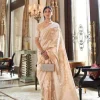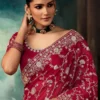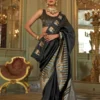
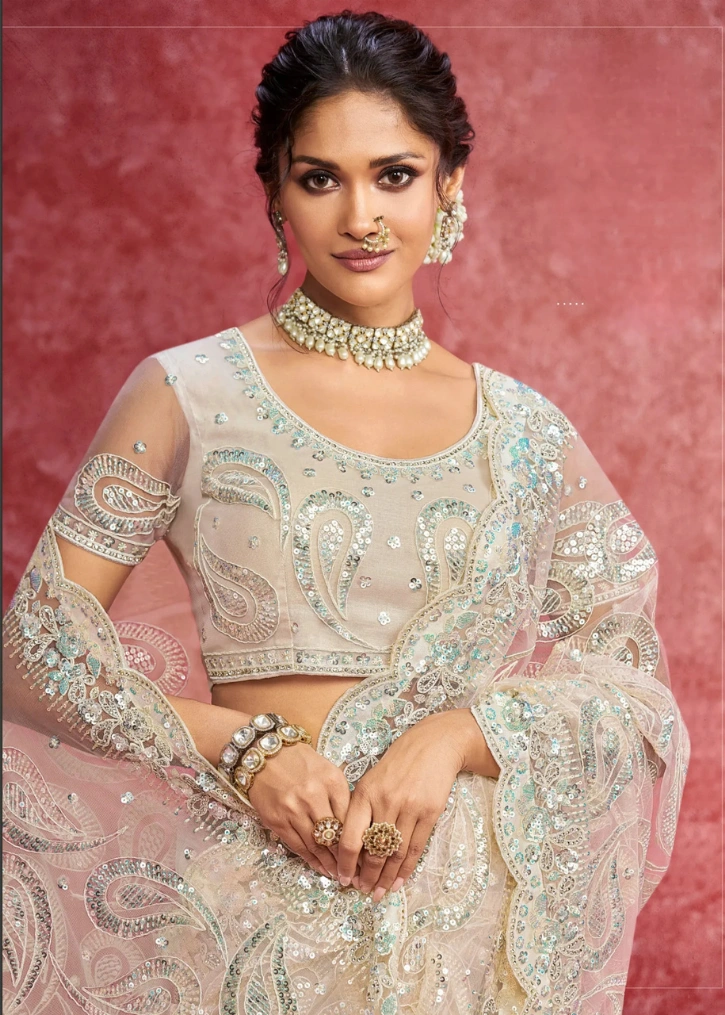
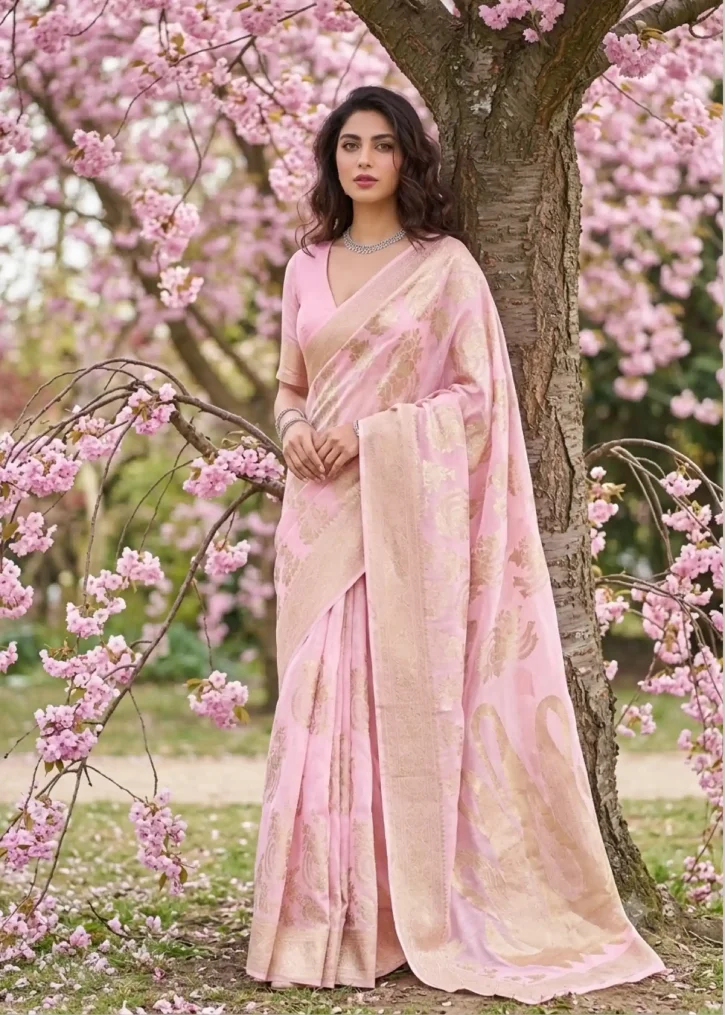
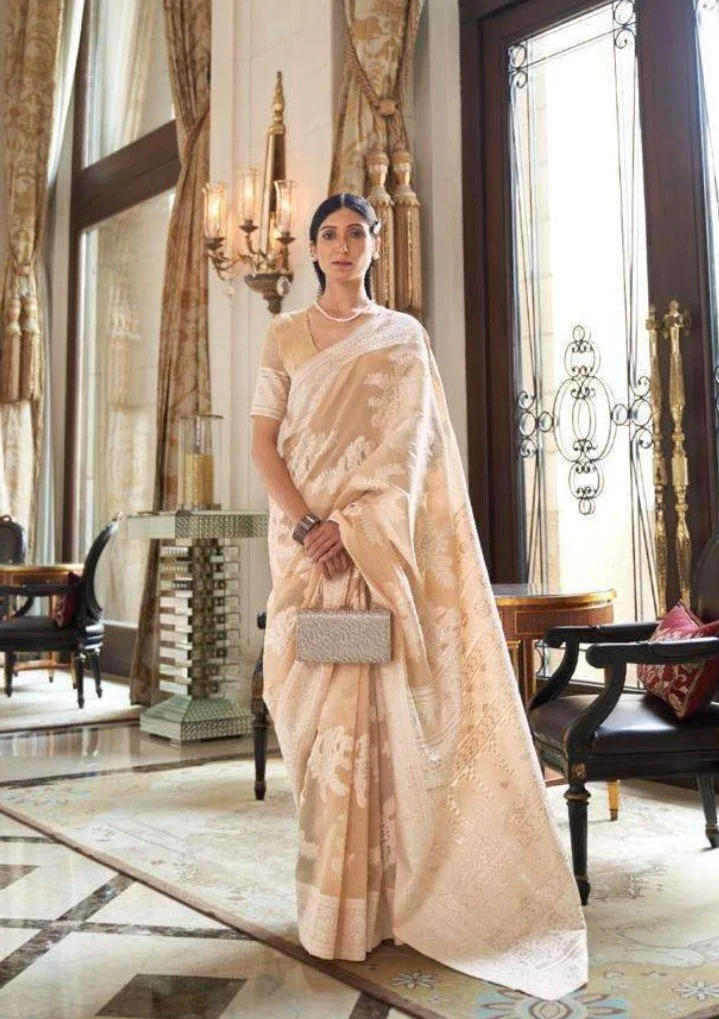
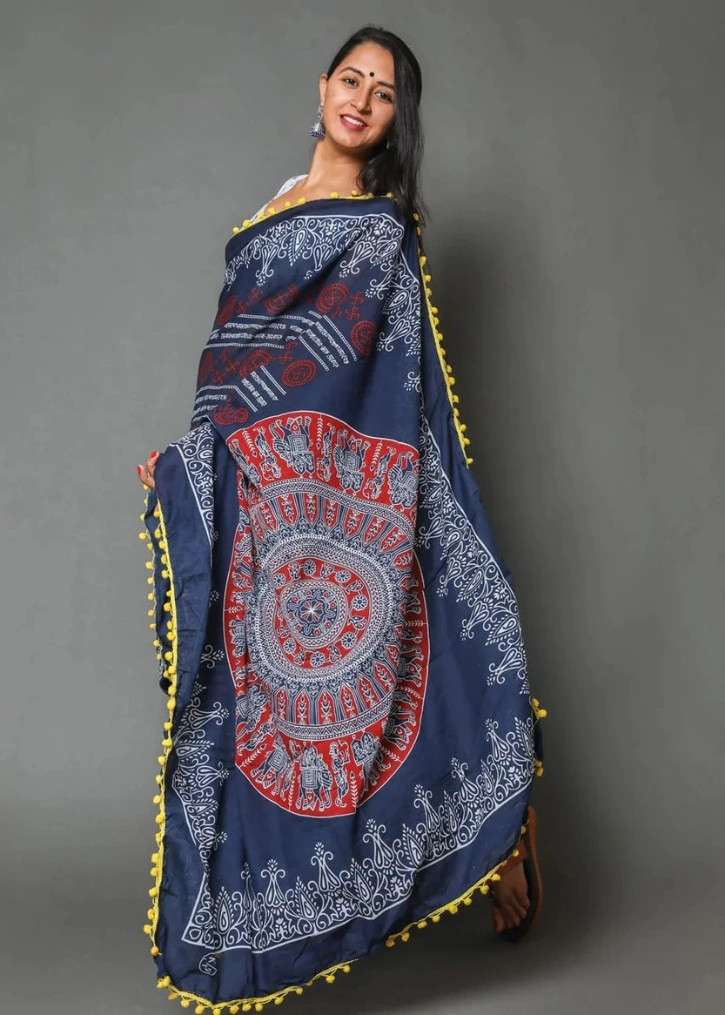
Showing 21–40 of 93 results
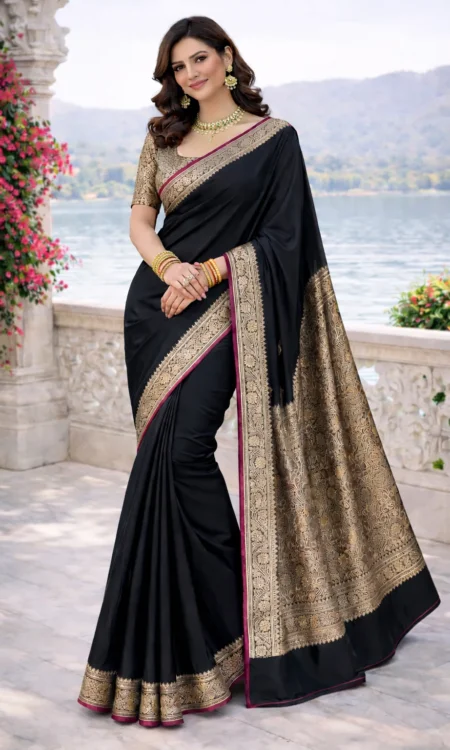
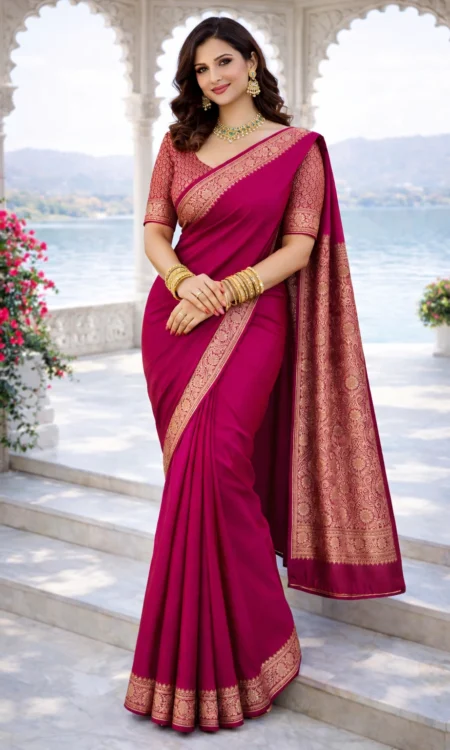
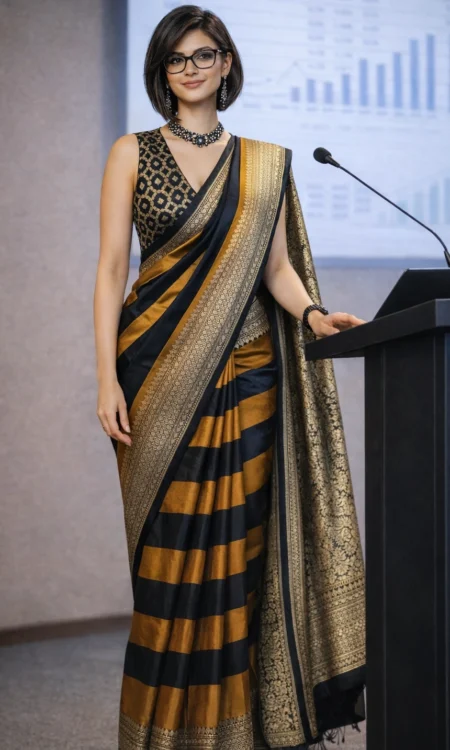
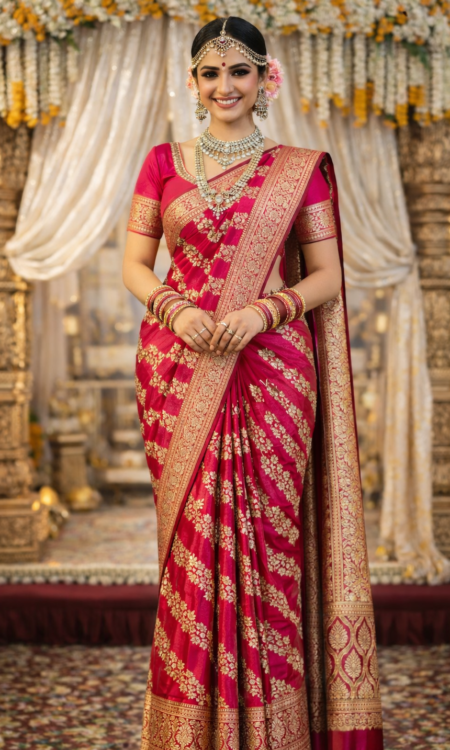
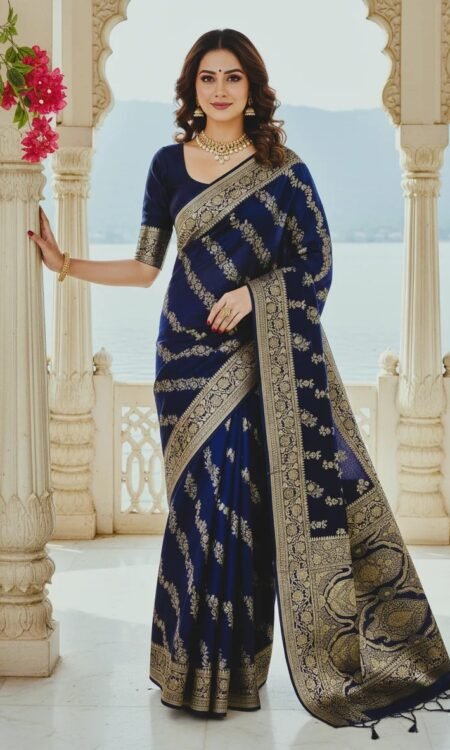
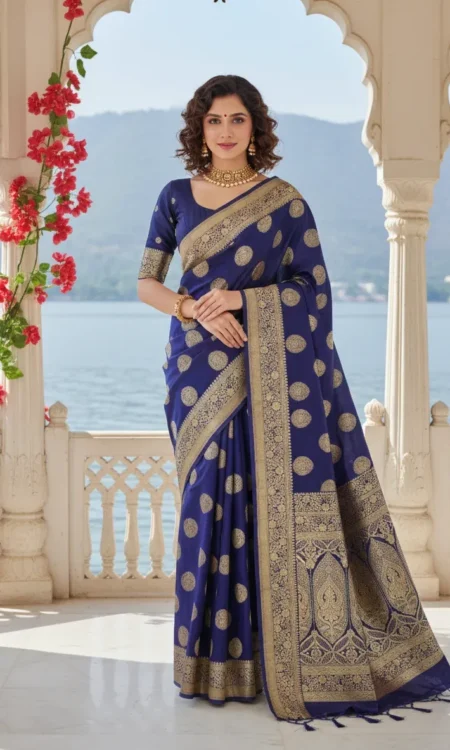
SOLD OUT!
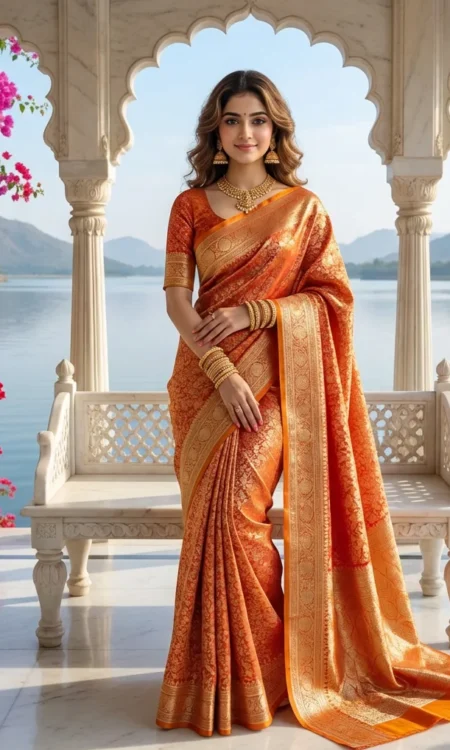
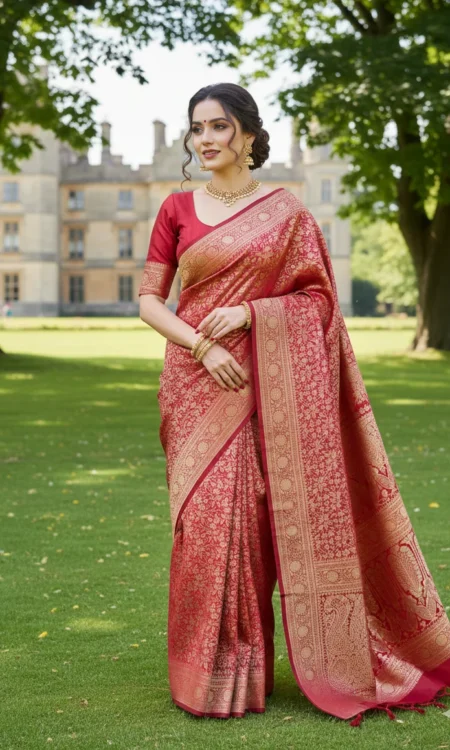
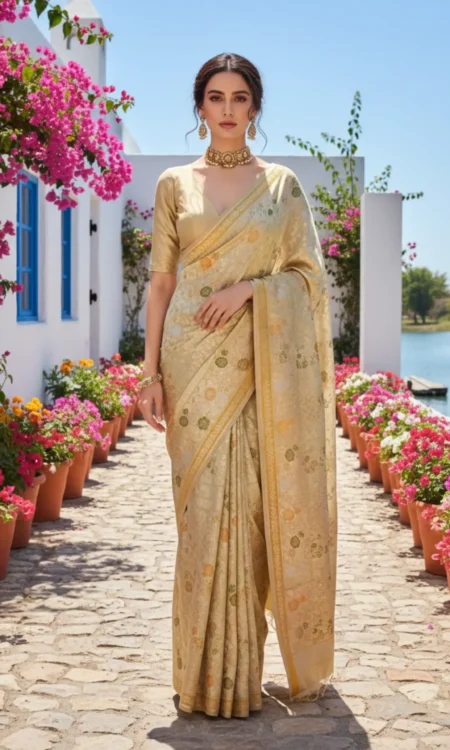
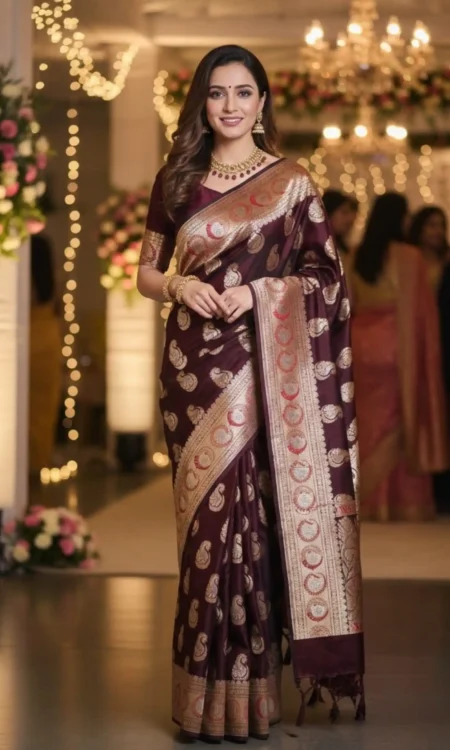
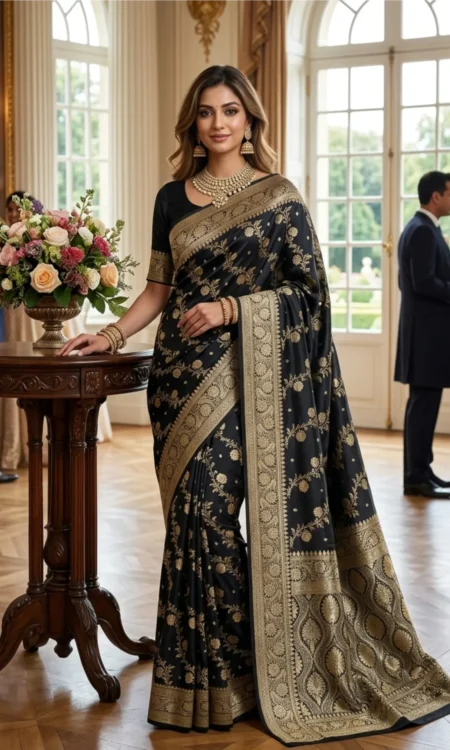
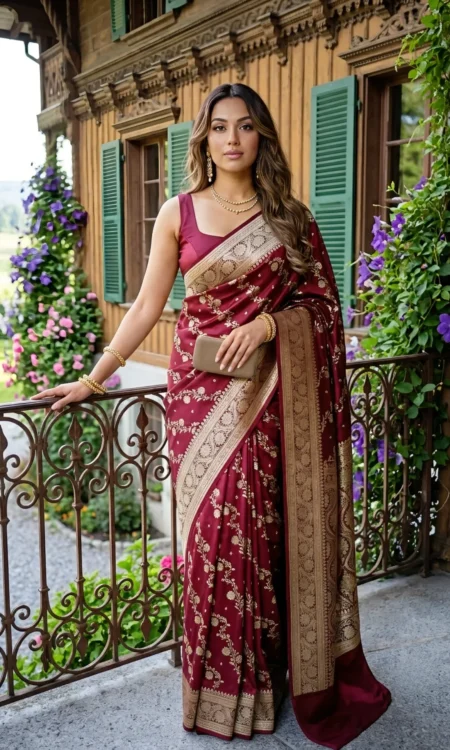
SOLD OUT!
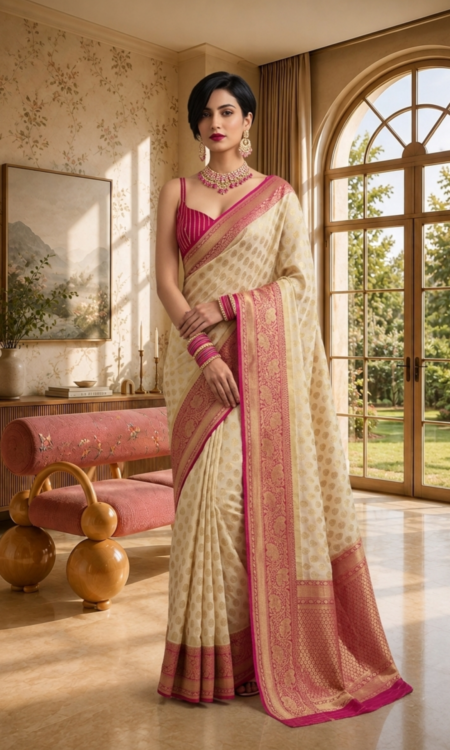
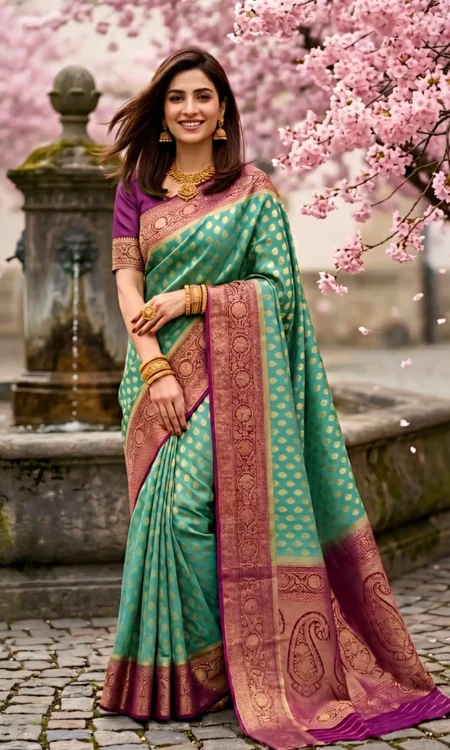
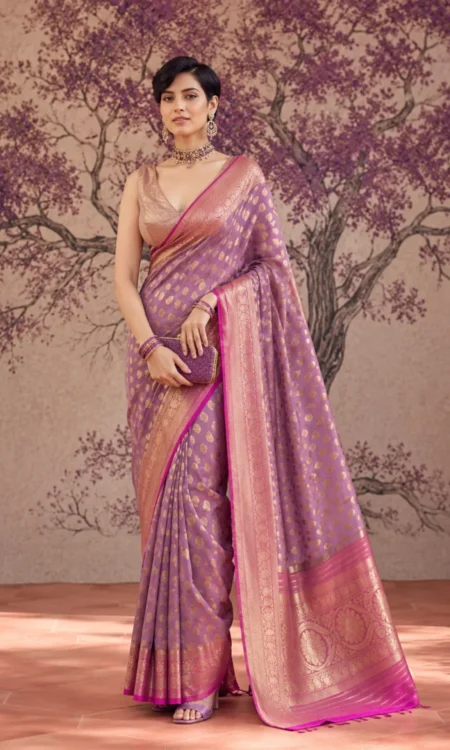
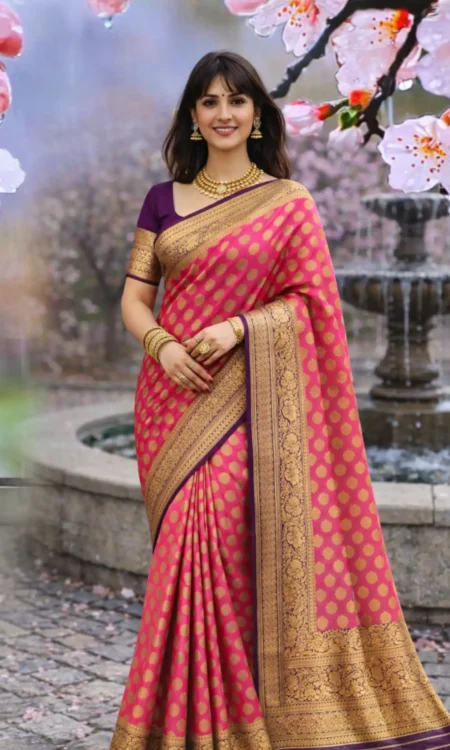
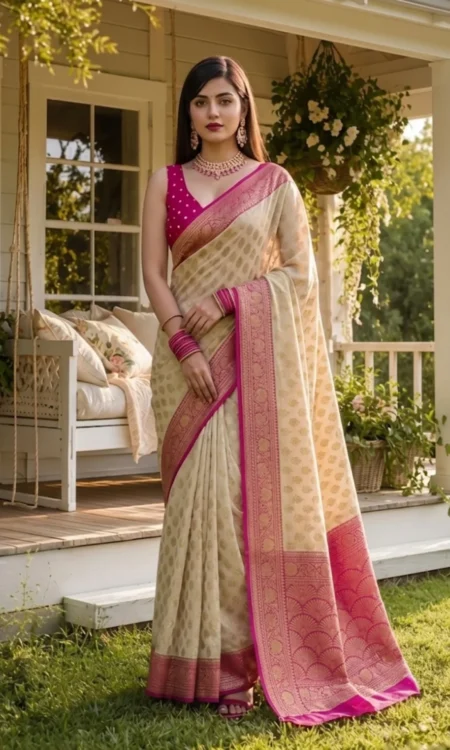
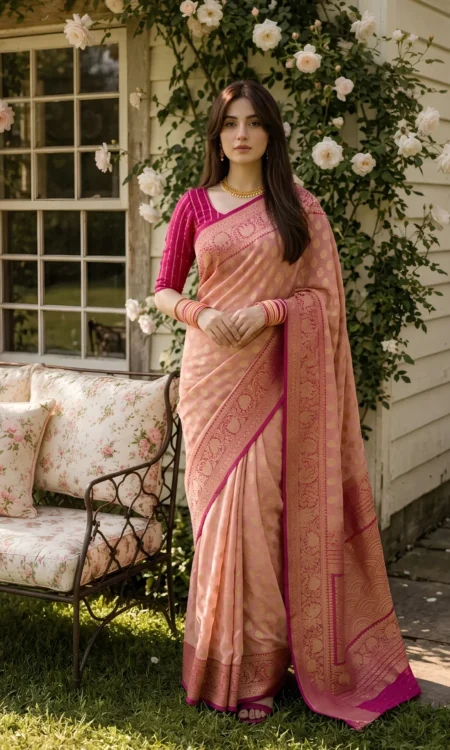
What Are Banarasi Sarees?
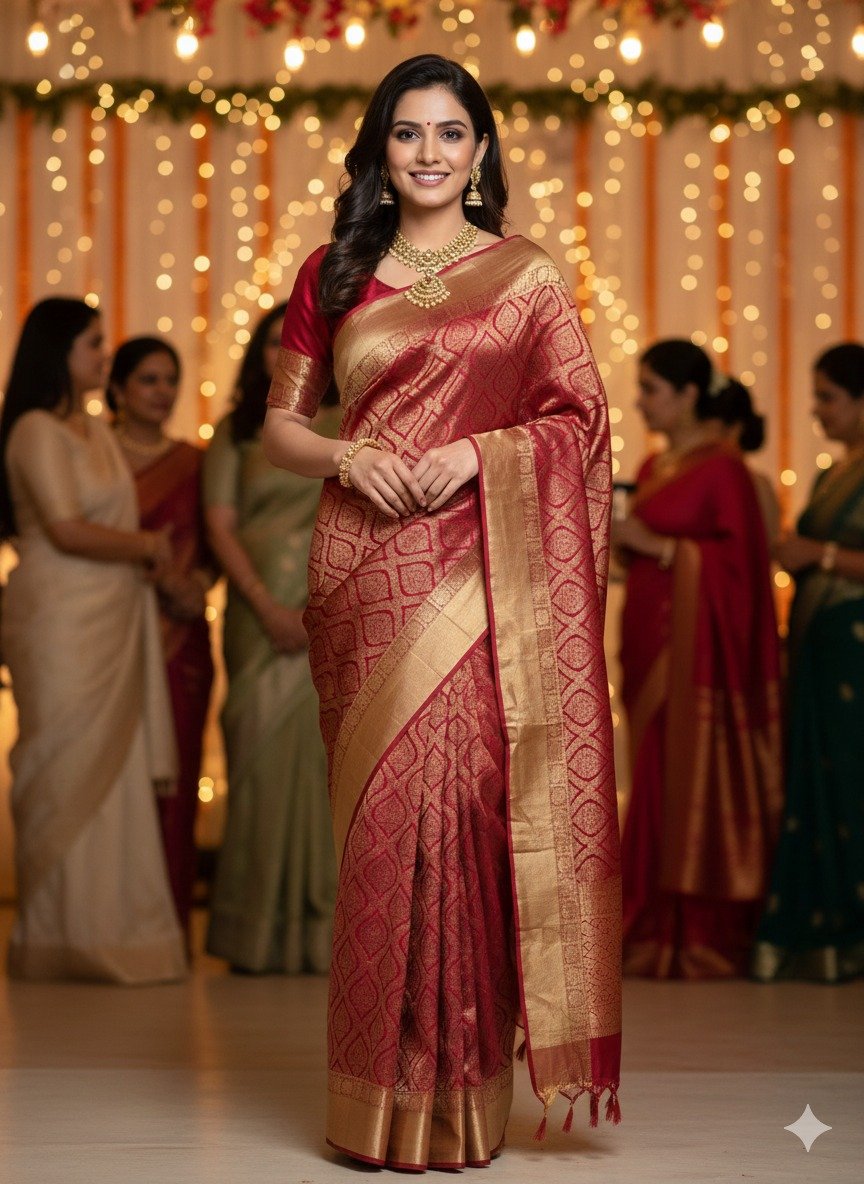
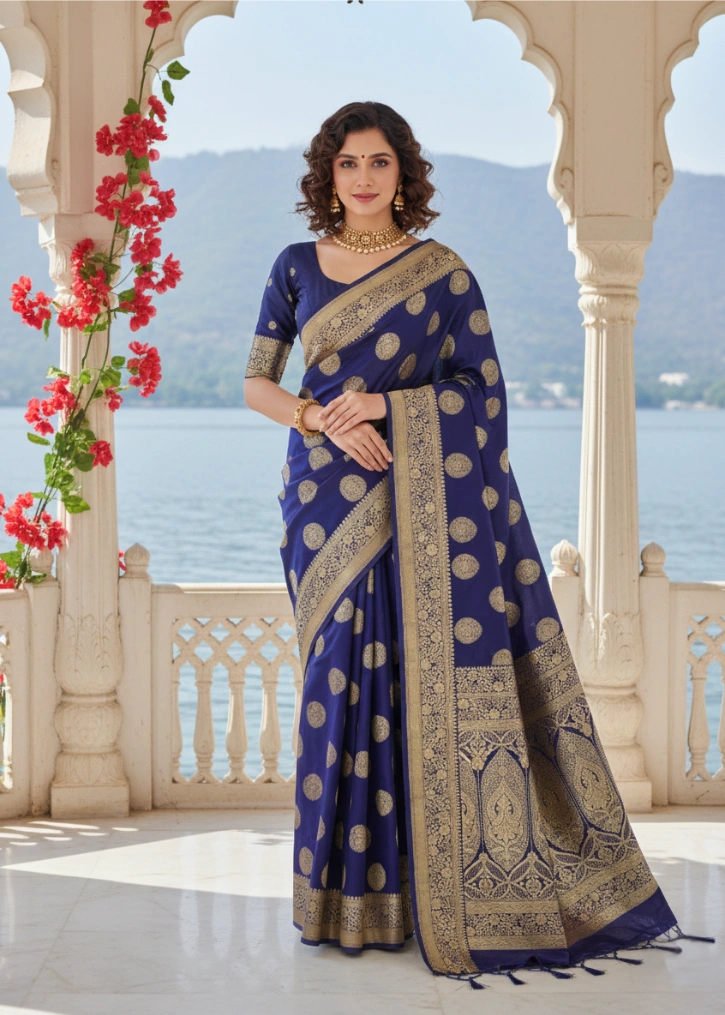
A Banarasi saree is a saree associated with the Banaras textile tradition of Uttar Pradesh, particularly the historic weaving centre of Banaras, also known as Varanasi. Banarasi textiles are recognised for their intricate woven patterns, brocade structures, decorative zari, and a rich vocabulary of floral, foliate, paisley, and other traditional motifs.
Banarasi should not be understood as the name of one single fabric. Silk has an important place in the Banaras brocade and saree tradition, but Banarasi collections can include different textile bases and constructions. This is why it is important to check the material and product specifications of each saree rather than assuming that every Banarasi saree is made from the same fabric.
What Makes a Banarasi Saree Distinctive?
The distinctive character of a Banarasi saree comes from the relationship between its fabric, woven design, construction, and decorative details.
Intricate Woven Patterns
Banarasi designs are created as part of the textile construction rather than simply being printed onto finished fabric. Depending on the style, patterning can involve supplementary weft threads and specialised loom and design-control methods.
Brocade Detailing
Brocade is a textile construction associated with patterned supplementary threads. Banarasi brocade is therefore closely related to the wider Banaras weaving tradition, but the terms brocade and Banarasi should not automatically be treated as exact synonyms.
Zari
Zari is a metallic decorative yarn used to create borders, motifs, pallus, and other woven details. Gold- and silver-toned zari effects are common in Banarasi designs, although the appearance of zari alone does not establish its exact metallic composition or purity.
Distinctive Motifs
Floral and foliate patterns, scrolling vines, paisley forms, butis, bootas, jaal layouts, and other traditional design vocabulary contribute to the visual identity of Banarasi textiles.
Banarasi Silk, Katan, Georgette & Other Fabric Options
Banarasi sarees are available in different fabric types and textile constructions, making the material listed for an individual saree an important part of the buying decision.
| Fabric / Style | What to Consider |
| Katan Silk | A silk option associated with Banarasi sarees, known for its rich silk presence and structured drape. |
| Mashru Silk | A silk textile represented in the collection, offering a different fabric character from other Banarasi silk styles. |
| Georgette | A lighter and more fluid option represented by Banarasi Georgette styles in the collection. |
| Khaddi Georgette | A Banarasi style using Khaddi Georgette terminology, offering a lighter alternative to heavier silk presentations. |
| Kora / Organza | A lighter, sheer, and crisp textile category associated with Banarasi weaving. |
| Tissue | A luminous textile category found within the wider Banaras textile vocabulary and often chosen for its distinctive sheen. |
Not every Banarasi saree uses every fabric listed above. Always refer to the individual product description for the specific material, construction, and care requirements.
Is Every Banarasi Saree Made of Silk?
No. Silk is central to the traditional Banaras brocade and saree tradition, but Banarasi should not be treated as a synonym for pure silk. Contemporary collections can include different fabric bases, and the material should always be checked for each individual saree.
Banarasi Weaving, Brocade & Zari
Banarasi textiles are recognised for the way patterns are incorporated into the woven structure. Traditional Banaras weaving uses warp and weft threads together with additional pattern threads to create elaborate motifs and brocade effects.
Traditional production is closely associated with handloom weaving and specialised design processes. Historically, Banaras weavers used methods such as naksha-based design preparation and loom attachments for creating intricate patterns, while jacquard mechanisms became an important part of design control.
For shoppers, the important distinction is simple:
Fabric tells you what the textile is made from. Weaving tells you how the textile is constructed. Zari describes a decorative metallic yarn used in many designs.
These are related but different attributes, and understanding the difference can help you make a more informed purchase.
Popular Banarasi Designs & Motifs
Banarasi sarees use a broad vocabulary of woven motifs and layouts. Understanding a few common terms can make it easier to compare different designs and choose a saree that matches your preferred aesthetic.
Buti
A buti generally refers to a smaller individual motif repeated across the saree. Buti designs can create a relatively spaced, delicate, and understated visual effect.
Boota
A boota generally refers to a larger motif or design element. Compared with a buti, it creates a more prominent visual presence across the saree.
Jaal
A jaal is an all-over patterned layout in which motifs, vines, or floral elements spread across a larger area of the saree, creating a richly detailed appearance.
Jangla
Jangla is a documented Banaras saree style associated with bold, continuous floral or scrolling patterns distributed across the textile.
Bel
Bel refers to a vine-like or scrolling floral design element commonly seen in Indian textile traditions and within the Banarasi design vocabulary.
Kalga
Kalga is part of the floral and foliate design vocabulary associated with Banaras textiles, particularly designs influenced by Mughal and Persian artistic traditions.
Floral and Paisley Motifs
Floral, foliate, and paisley-inspired forms are among the recurring visual elements found in Banarasi designs. The scale, density, and arrangement of these motifs can substantially change the overall appearance of a saree.
Understanding Banarasi Saree Types & Weaves
Banarasi terminology becomes easier to understand when it is grouped according to what each term actually describes.
By Textile or Fabric
-
- Katan — silk/fabric terminology associated with Banarasi sarees.
- Kora / Organza — a lighter, sheer, and crisp textile category associated with Banarasi work.
- Georgette — a lighter fabric used in contemporary Banarasi styles.
- Tissue — a lightweight, luminous textile category within the Banaras textile vocabulary.
-
By Weaving or Design Tradition
- Jangla — a richly patterned style featuring continuous floral or scrolling designs.
- Tanchoi — a documented Banaras saree variety associated with a distinctive figured weaving tradition.
- Jamdani — a figured weaving tradition that also has a documented Banarasi interpretation.
- Cutwork — a construction technique involving additional pattern threads and subsequent removal of excess threads from the reverse.
By Motif or Layout
- Butidar / Buti — smaller repeated motifs distributed across the textile.
- Boota — larger and more prominent motifs.
- Jaal — an all-over network or spread of motifs.
- Rangkat — a colour/design expression found in contemporary Banarasi product terminology.
These terms should not be treated as though they all describe the same thing. Some identify fabrics, some describe weaving or design techniques, and others describe motif scale or layout.
Handloom Banarasi vs Other Production Methods
Traditional Banarasi weaving is strongly associated with handloom production, but Banarasi and handloom are not interchangeable terms.
A saree should only be described as handloom or handwoven when its production method is supported by appropriate product information or documentation.
For shoppers comparing Banarasi sarees, it is useful to look beyond the visual appearance of the fabric. Product descriptions, material specifications, production information, and relevant certification or labelling can provide useful information. A photograph by itself cannot conclusively establish whether a saree is handwoven, its exact fibre composition, or the precise origin of its production.
Why Banarasi Sarees Are Associated With Banaras
Banaras, also known as Varanasi, has a long-established textile tradition and is particularly associated with silk weaving, brocade, and intricate figured textiles.
The designs of Banaras textiles reflect multiple influences developed over time, including floral and foliate vocabulary associated with Persian and Mughal artistic traditions. Local weaving communities developed and refined techniques that became closely associated with the city’s textile identity.
Today, the Banaras textile tradition encompasses a range of saree and brocade varieties rather than one single fabric or construction.
The registered geographical indication for this textile tradition is Banaras Brocades and Sarees. The GI should not, however, be interpreted to mean that every retail saree described as Banarasi is automatically an individually “GI-certified” product.
How to Choose a Banarasi Saree
Choosing a Banarasi saree becomes easier when you compare the important details rather than relying only on colour or appearance.
1. Start with the Fabric
Consider whether you prefer a silk-based saree such as Katan or Mashru silk, or a lighter option such as Georgette.
2. Consider the Drape
A heavier silk or densely patterned saree can create a more structured appearance, while lighter fabrics may offer a softer and more fluid drape.
3. Look at the Zari
Check the amount, placement, and visual character of zari across the border, pallu, and body of the saree.
4. Compare Motif Density
Smaller butis create a different appearance from large bootas or an elaborate all-over jaal. Consider the level of detailing that best suits your personal style.
5. Examine the Border and Pallu
A richly decorated pallu and broad border can make a saree feel more ornate, while a more restrained design may suit shoppers looking for versatility.
6. Match the Saree to the Occasion
For weddings and receptions, shoppers may prefer richer colours, denser motifs, or more elaborate zari. For festivals, family functions, or formal occasions, the right choice depends on personal style and the specific fabric and design.
7. Check the Product Specifications
Before purchasing, review the listed material, saree length, blouse-piece details, care instructions, and any available information about weaving or certification.
Banarasi Sarees for Weddings, Festivals & Special Occasions
Banarasi sarees have a strong association with weddings and festive dressing, but the best choice depends on the individual saree, its fabric, design, and level of detailing.
Weddings and Bridal Trousseau
For a bridal or trousseau look, consider richer silk fabrics, substantial zari work, detailed borders, and ornate pallus where these features are present in the product.
Wedding Guests
A Banarasi saree with a balanced motif layout and comfortable fabric can work well for wedding guests who want traditional textile character without choosing the most heavily embellished style.
Festivals and Family Celebrations
Colour, motif density, and fabric weight can be used to create anything from a traditional festive look to a more understated appearance.
Receptions and Evening Events
Darker colours, metallic zari accents, and refined jewellery can work well for evening styling, depending on the saree and the overall look you want to create.
Not every Banarasi saree is necessarily a bridal saree. Fabric, colour, zari, motif scale, border, pallu, and overall construction should guide the choice.
How to Style a Banarasi Saree
Blouse
A structured blouse can complement a richer Banarasi silk saree, while a simpler blouse can help balance an ornate pallu or heavily patterned body.
Jewellery
Traditional Banarasi styles pair naturally with jewellery such as jhumkas, bangles, necklaces, and other classic Indian pieces. For a contemporary look, statement earrings with restrained jewellery can provide a balanced finish.
Footwear and Bag
Choose footwear that is comfortable enough for the occasion and a bag that complements rather than competes with the saree’s zari and motif work.
Draping
A classic drape highlights the border and pallu, while a more contemporary drape can give a lighter Banarasi style a modern appearance.
How to Care for a Banarasi Saree
Care depends on the saree’s fabric, zari, and construction. Product-specific care instructions should always take priority.
For delicate silk, zari, and woven-detail sarees, professional dry cleaning is generally preferred where recommended by the product instructions. Avoid treating all Banarasi sarees as though they have identical washing and maintenance requirements.
For storage:
- Fold the saree carefully rather than leaving it compressed for long periods.
- Store it in a clean, dry environment.
- Protect delicate zari and textile surfaces from moisture.
- Avoid prolonged exposure to direct sunlight.
- Refold stored sarees periodically to reduce prolonged pressure on the same fold lines.
Always follow the care instructions supplied with the individual saree.
Frequently Asked Questions
What Is a Banarasi Saree?
A Banarasi saree is a saree associated with the Banaras/Varanasi textile tradition, known for intricate woven patterns, brocade detailing, zari, and distinctive floral, foliate, and other traditional motifs.
Is Banarasi a Fabric or a Weaving Tradition?
Banarasi is better understood as a regional textile tradition and product identity rather than one single fabric. Different Banarasi sarees can use different textile bases and constructions.
Are All Banarasi Sarees Made of Silk?
No. Silk has an important place in the Banaras textile tradition, but not every Banarasi saree should automatically be described as pure silk. Check the individual product material before purchasing.
What Is Katan Silk?
Katan is a silk/fabric term commonly associated with Banarasi sarees. Katan styles are an important option for shoppers looking for a silk-based Banarasi saree.
What Is Kora or Banarasi Organza?
Kora or Banarasi Organza refers to a lighter, sheer, and crisp textile category associated with Banarasi work. It offers a different drape and visual character from heavier silk styles.
What Is Zari in a Banarasi Saree?
Zari is a metallic decorative yarn used to create woven borders, motifs, pallus, and other details. The exact composition of zari can vary and should not be assumed from its appearance alone.
Are Banarasi Sarees Handwoven?
Traditional Banarasi weaving is strongly associated with handloom production, but “Banarasi” and “handloom” describe different attributes. Handloom or handwoven status should be verified for the individual product.
What Is the GI for Banarasi Sarees?
The registered GI is Banaras Brocades and Sarees. The GI designation should not be interpreted as meaning that every retail saree described as Banarasi is automatically individually GI-certified.
What Is a Jangla Banarasi Saree?
Jangla is a documented Banaras saree style associated with bold, continuous floral or scrolling patterns that create a richly patterned overall appearance.
What Is a Tanchoi Banarasi Saree?
Tanchoi is a documented Banaras saree variety associated with a distinctive figured weaving and design tradition.
What Is the Difference Between a Buti and a Boota?
A buti generally refers to a smaller motif, while a boota generally refers to a larger design element. The distinction is primarily related to motif scale.
Are Banarasi Sarees Suitable for Weddings?
Yes, many Banarasi sarees are well suited to weddings, but the appropriate choice depends on the individual fabric, colour, zari density, motif scale, border, and pallu.
How Do I Choose a Banarasi Saree?
Compare the fabric, drape, zari, motif density, border, pallu, colour, occasion, and product specifications. If handloom status or a particular fibre is important to you, check the individual product information rather than relying on appearance alone.
How Should I Care for a Banarasi Saree?
Follow the product-specific care instructions because requirements vary by fabric, zari, and construction. Delicate silk and zari sarees commonly require careful storage and professional cleaning where recommended.
Explore Related Saree Collections
Explore other saree styles to compare different fabrics, weaving traditions, and design approaches: