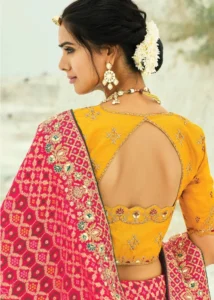
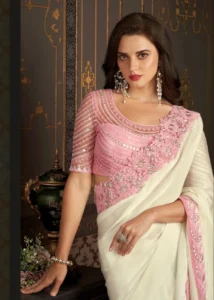
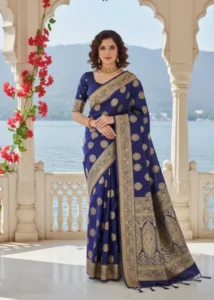
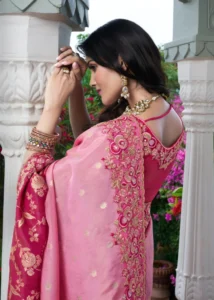
Reception Sarees
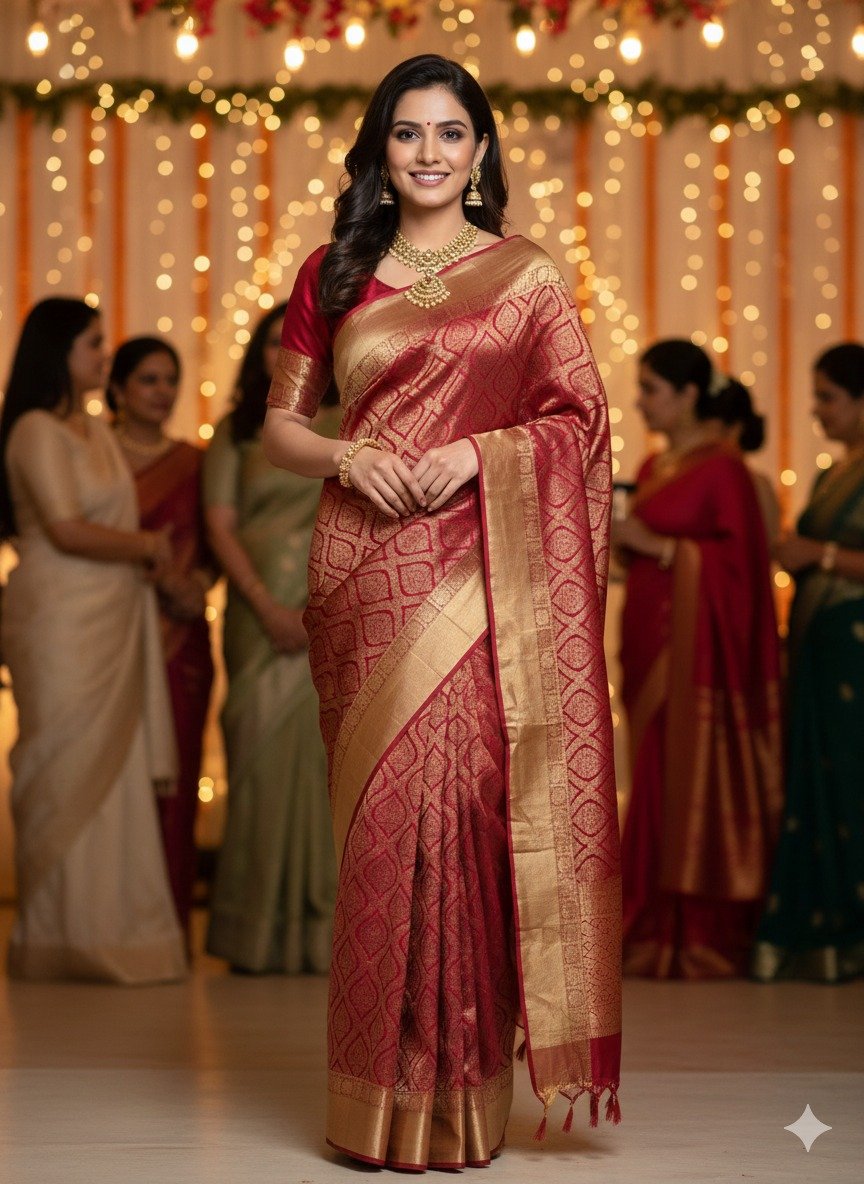
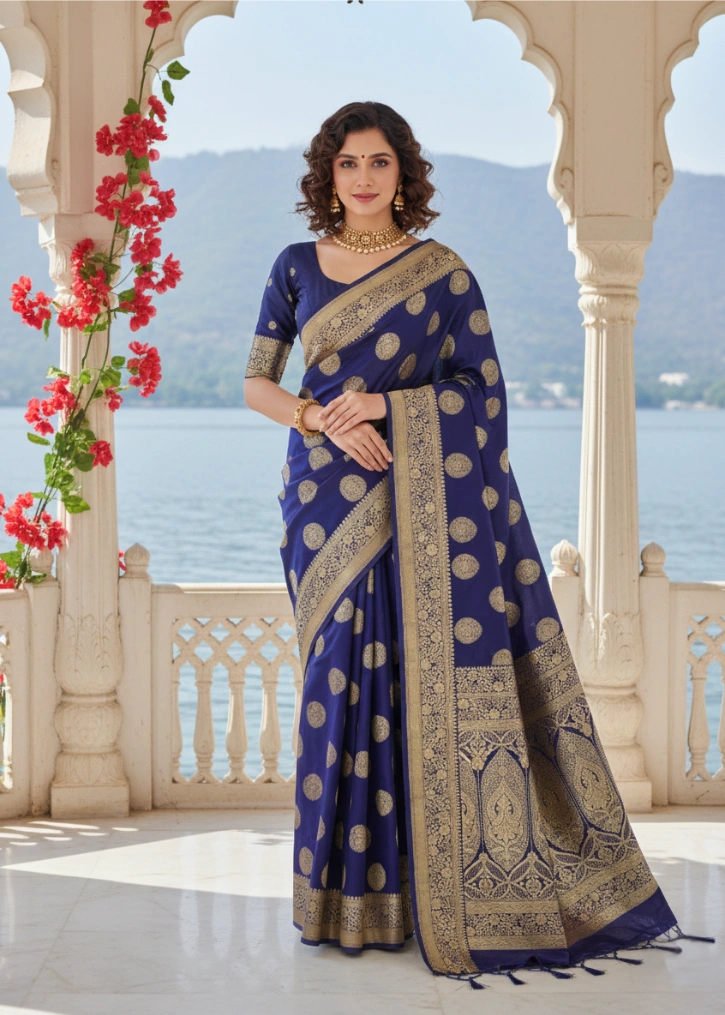
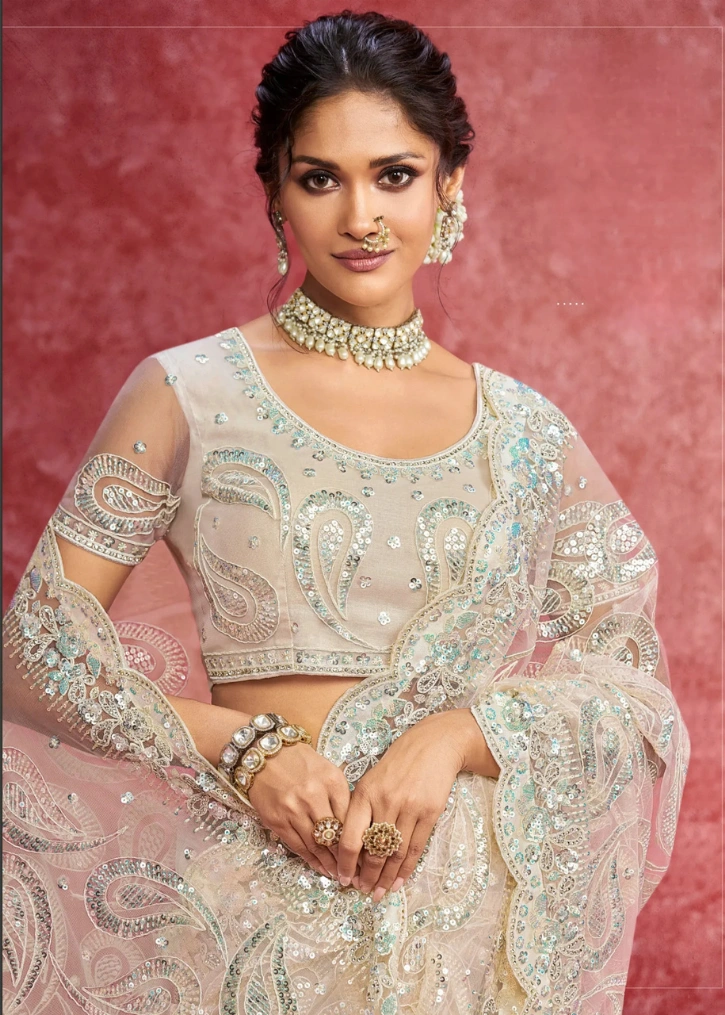
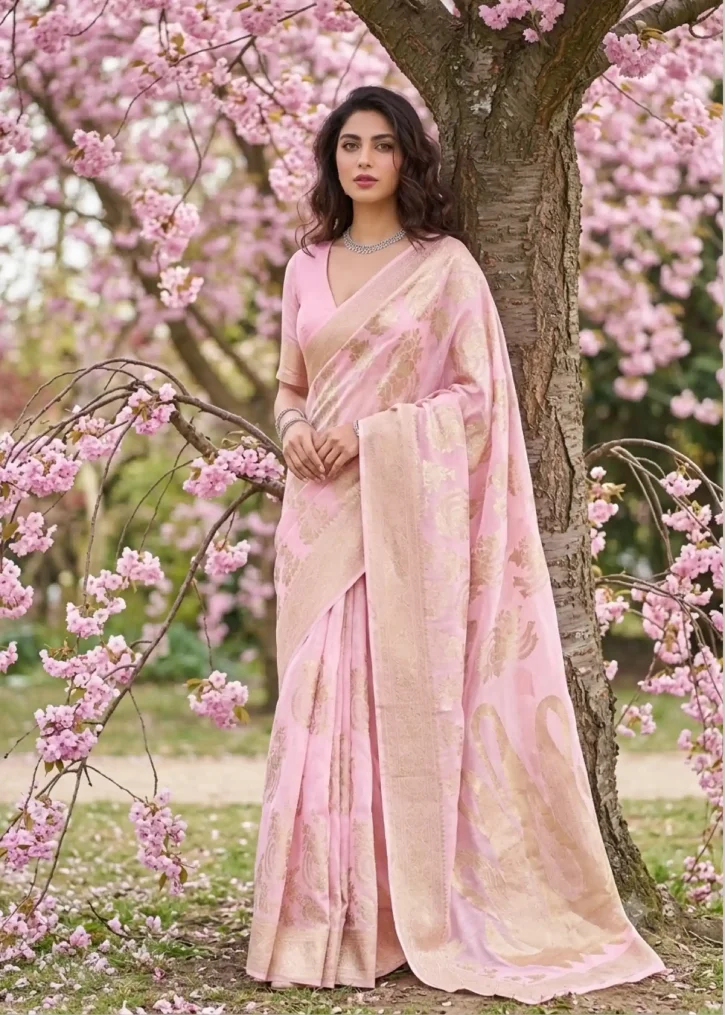
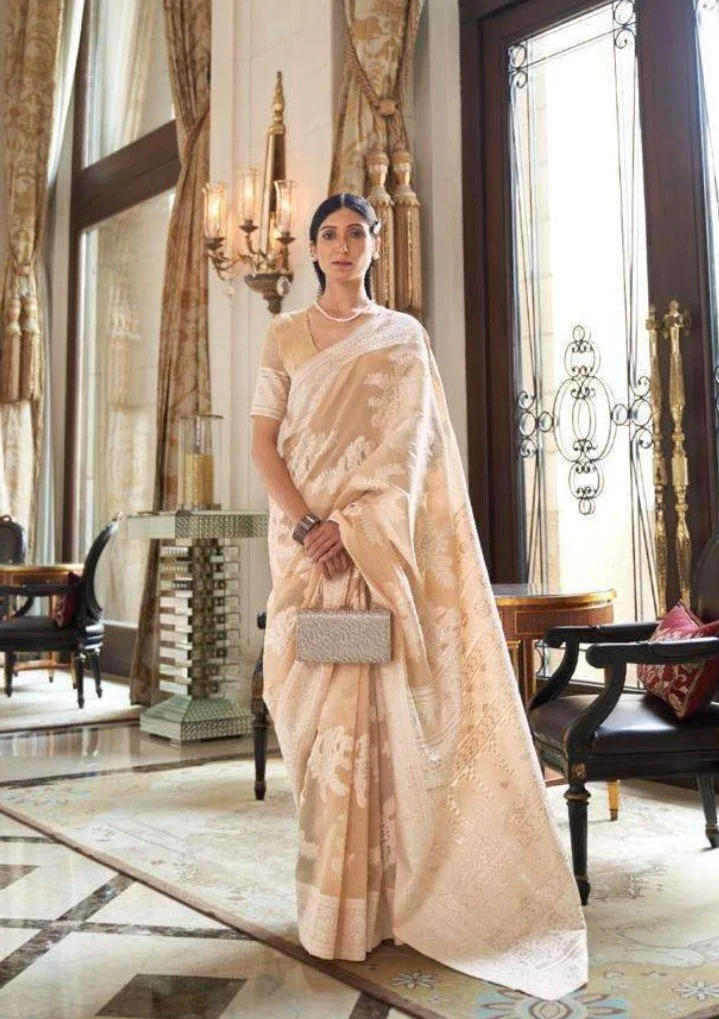
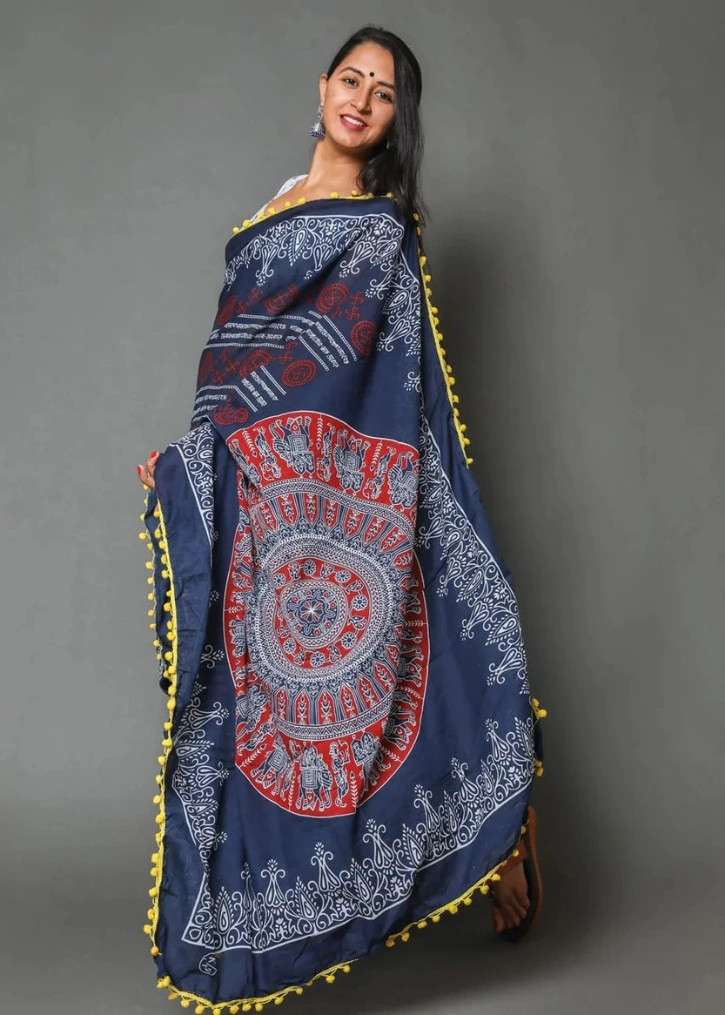
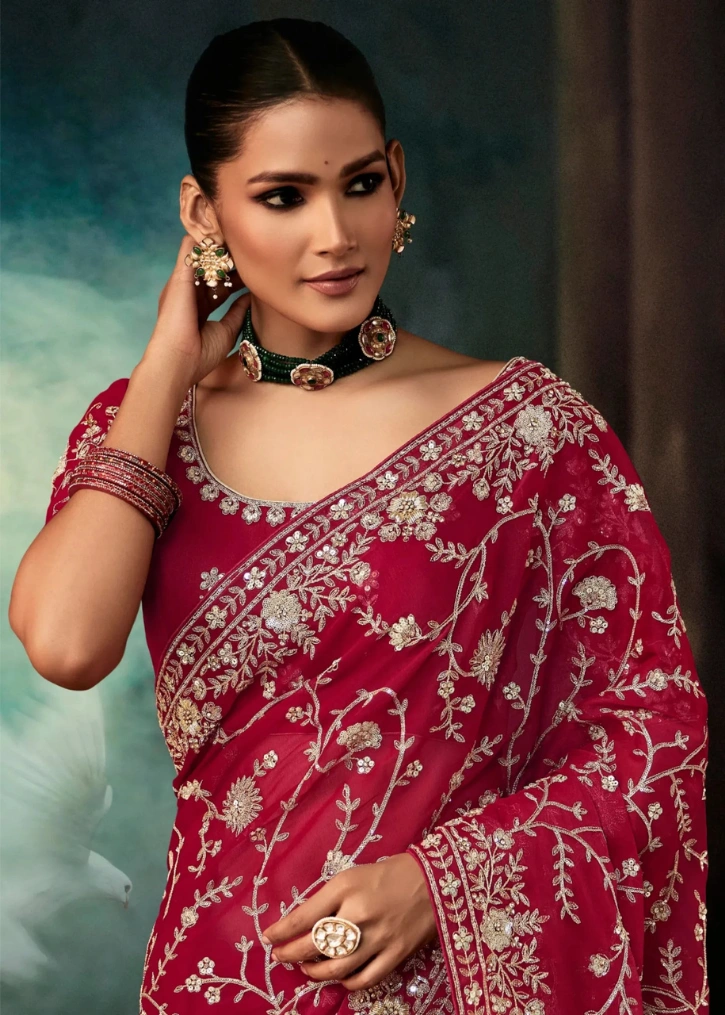
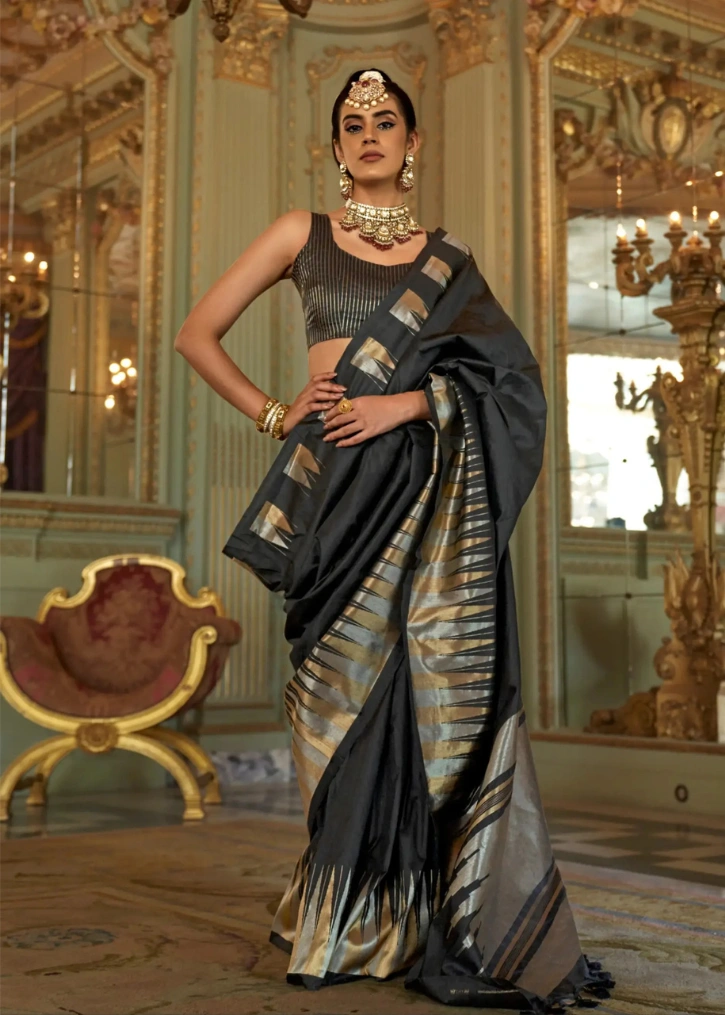
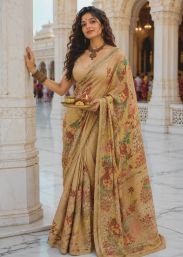
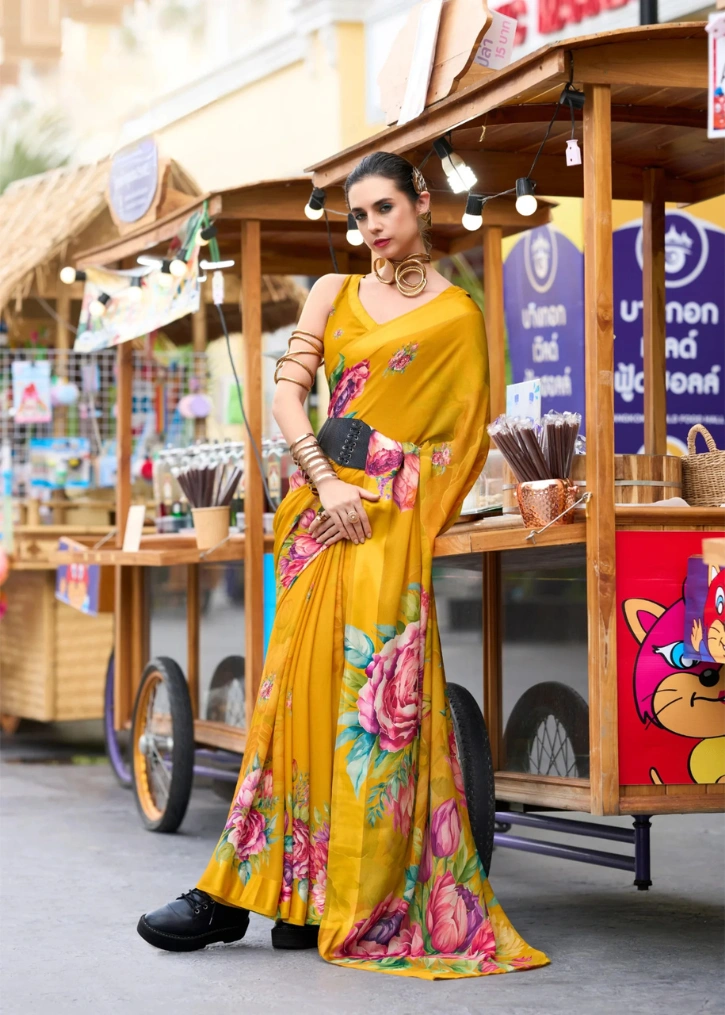
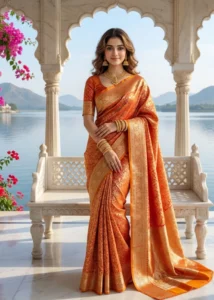
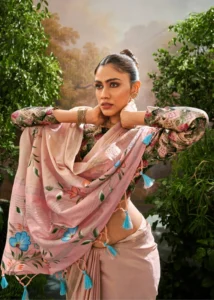
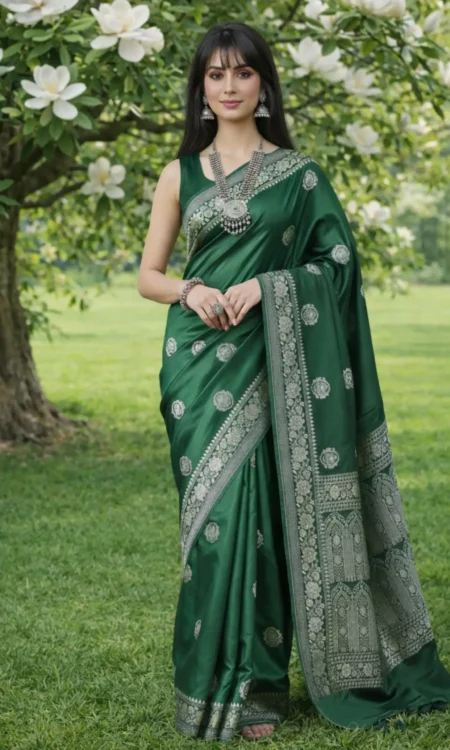
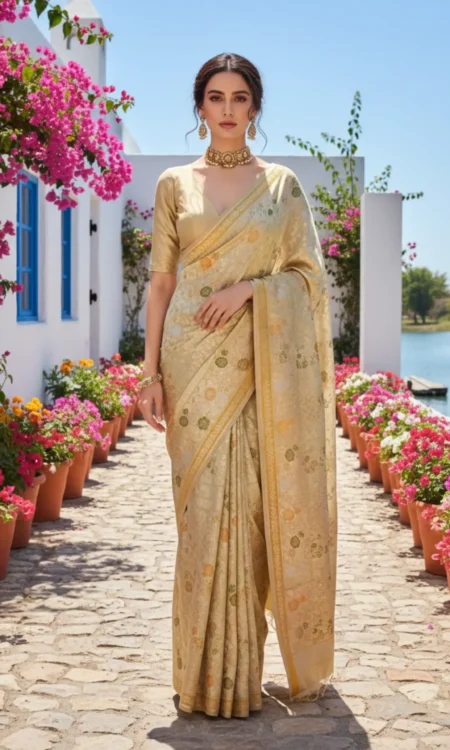
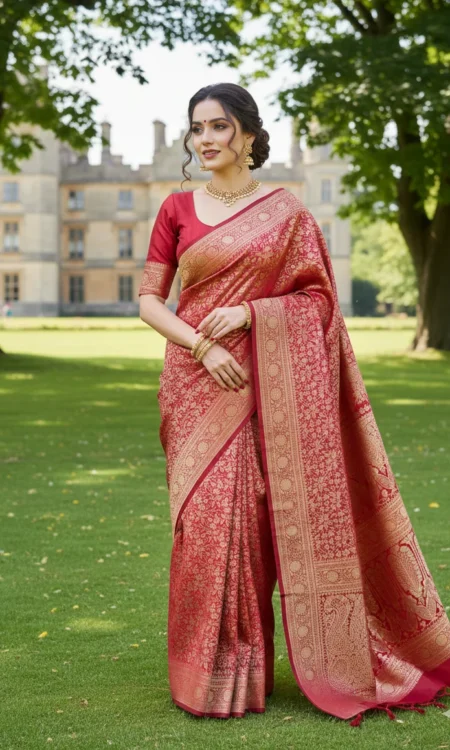
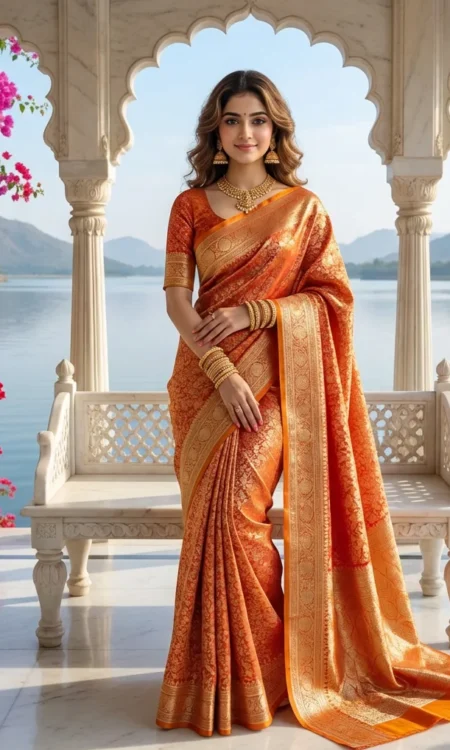
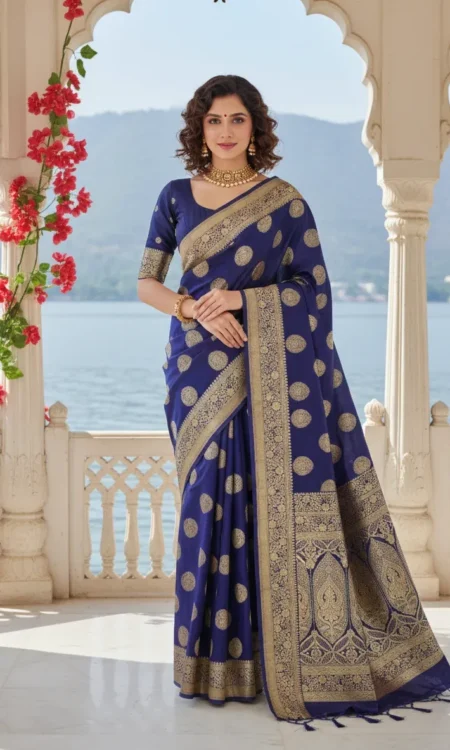
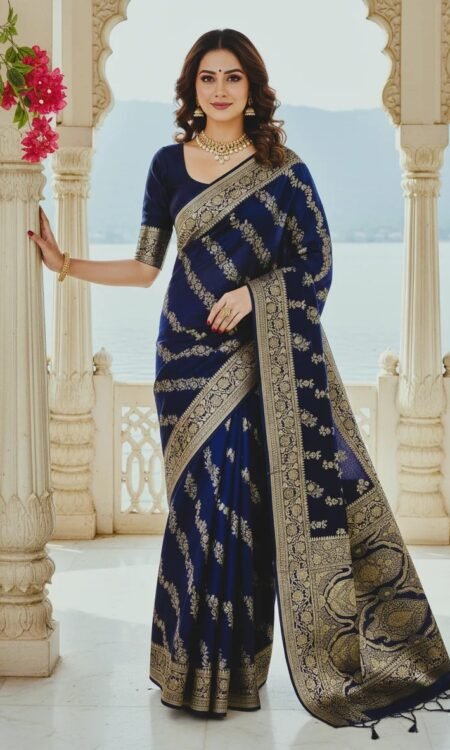
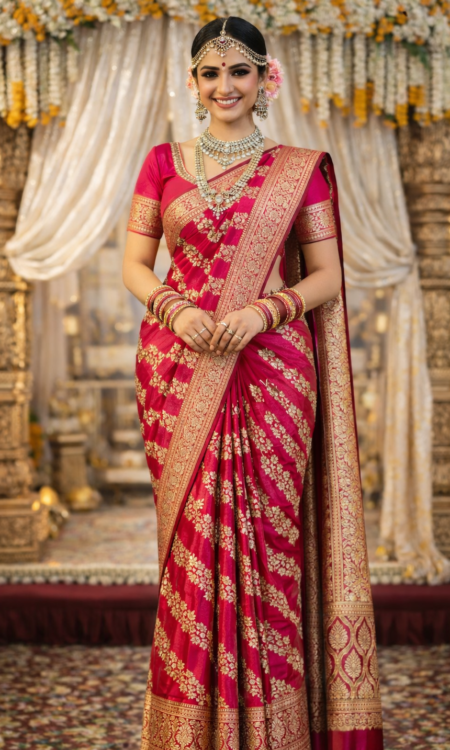
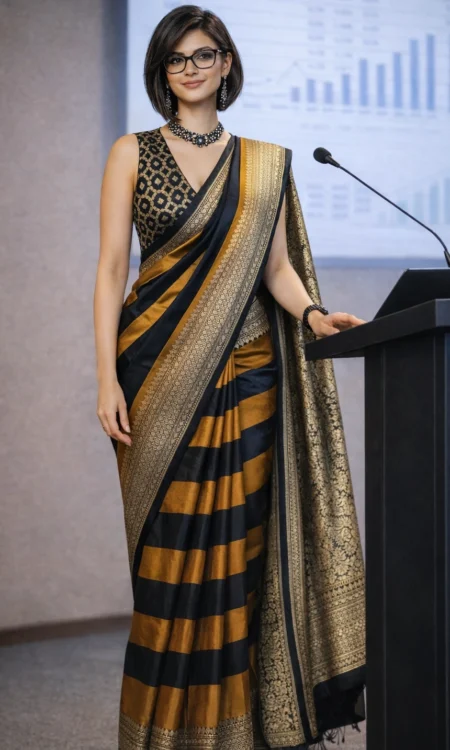
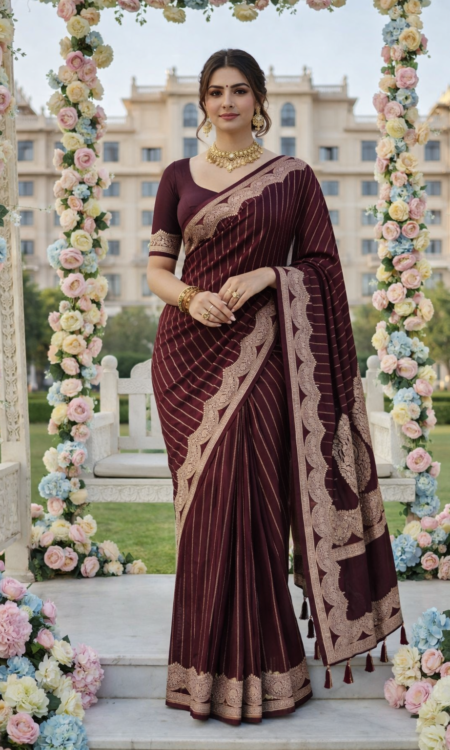
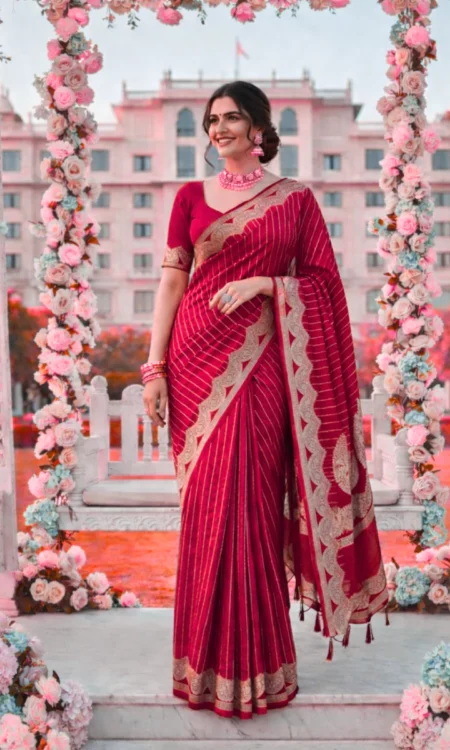
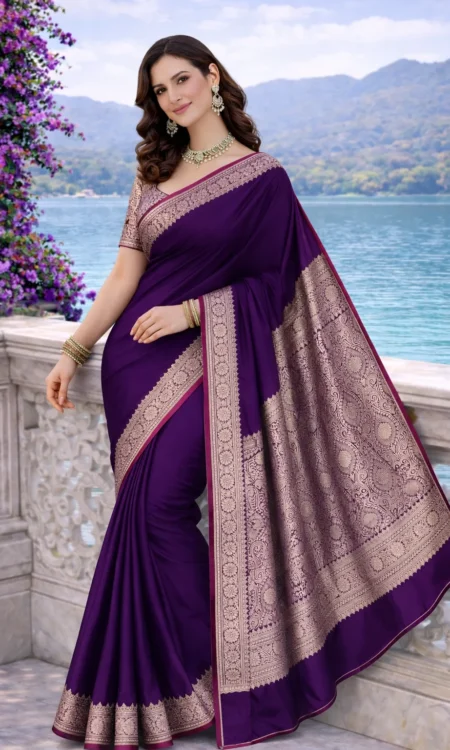
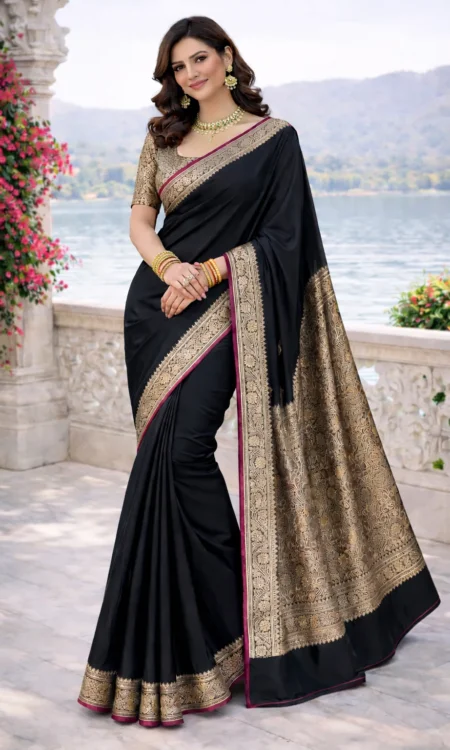
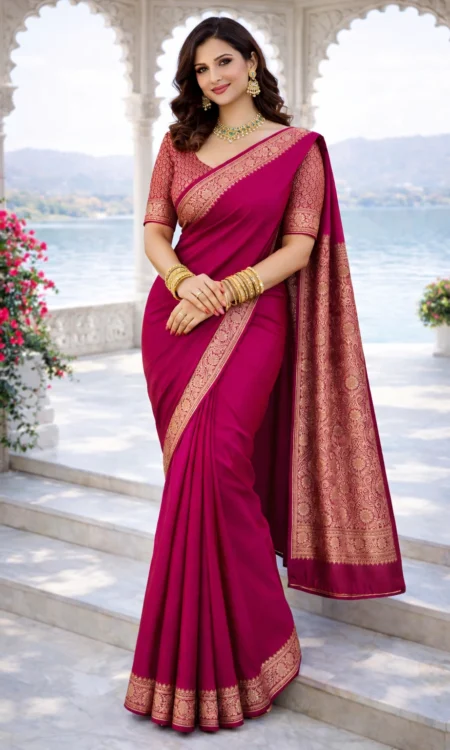
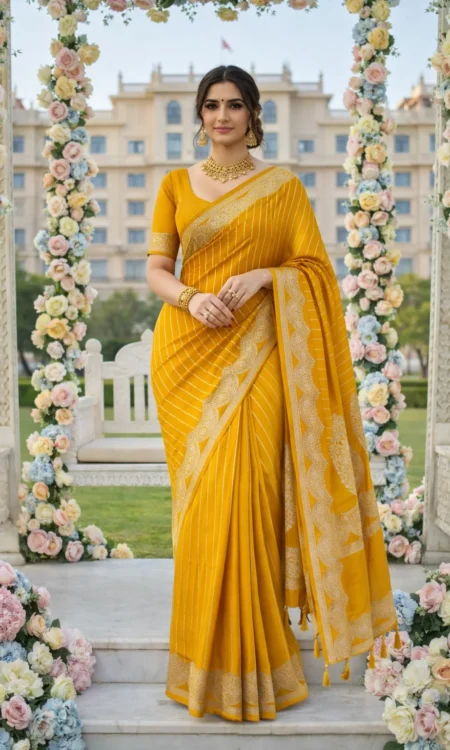
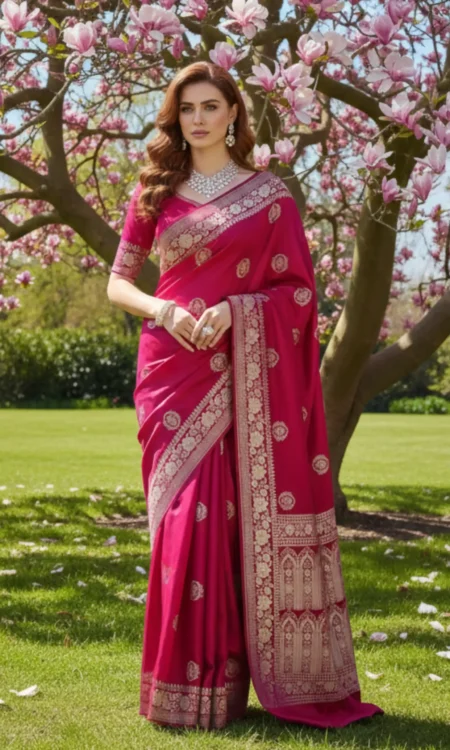
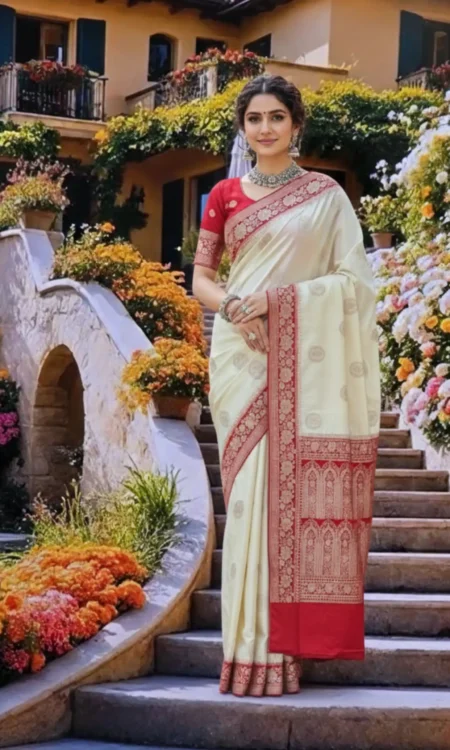
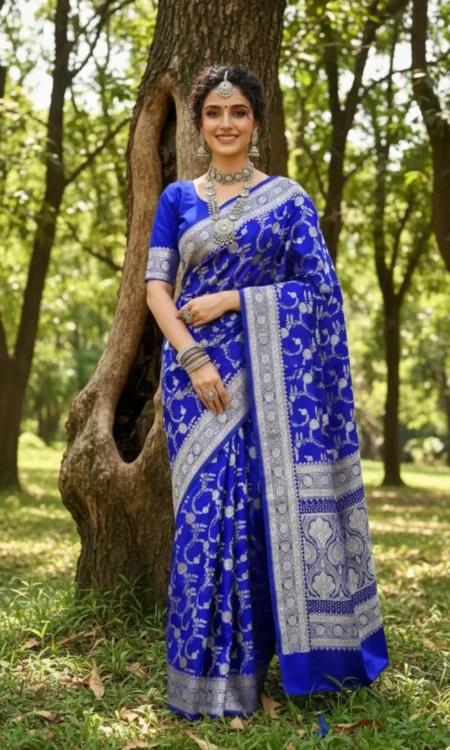
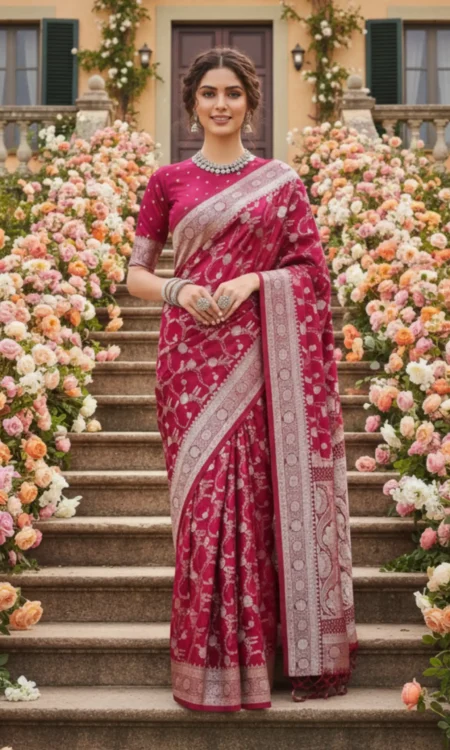
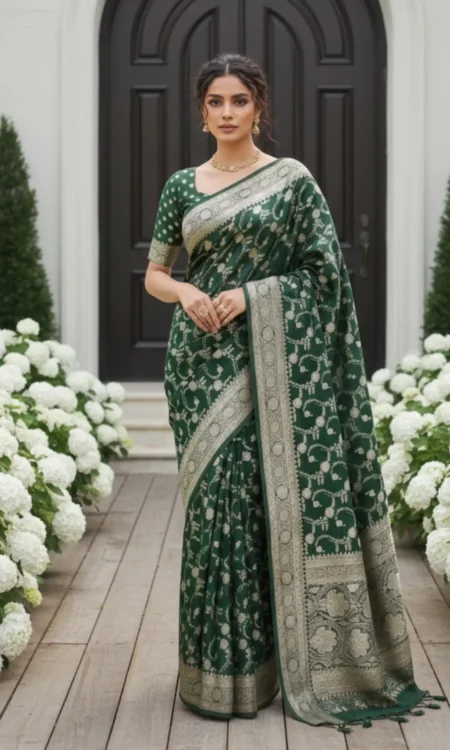
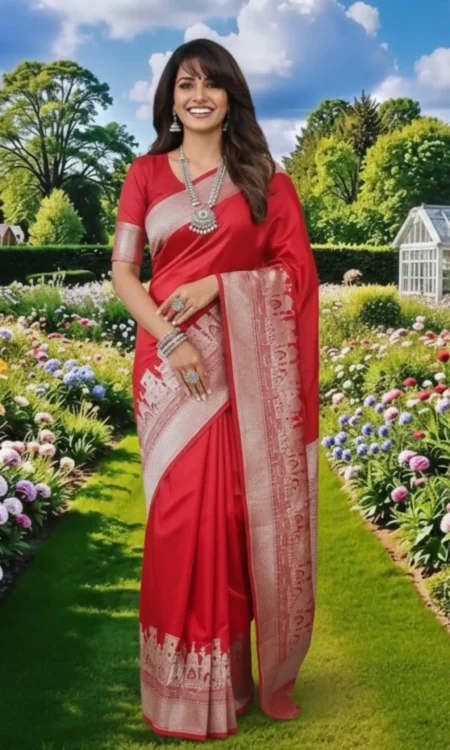
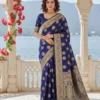
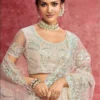
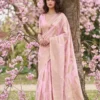
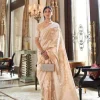
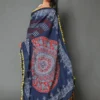
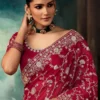
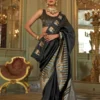
Discover sarees selected specifically for wedding receptions and reception-style celebrations. At Sarees By Muhurat, the current Reception Sarees collection centers on Banarasi Mashru Silk sarees, with rich colors, woven detailing, zari borders and pallus, and matching unstitched blouses across selected designs.
Reception sarees are not limited to one textile, color or wearer. The right choice can depend on whether you are the bride, a family member, relative, friend or guest, as well as the reception's timing, venue, formality and your preferred style. Explore the collection above, then use the guide below to compare fabric, sheen, color, detailing and styling before choosing your saree.
What Are Reception Sarees?
Reception sarees are sarees selected specifically for a wedding reception or reception-style celebration. Unlike terms such as Banarasi, Kanjivaram or embroidered saree, reception saree is an occasion-based classification rather than the name of a particular textile tradition.
A reception saree can therefore combine several characteristics at once. For example, a saree may be Banarasi, made from silk, feature zari and be selected as reception wear. What makes it a reception saree is the occasion for which it is being chosen.
Fabric, sheen, color, weave, zari, embroidery, embellishment, border, pallu and drape can all influence whether a saree suits the formality and setting of a particular reception. There is no single combination that is appropriate for every reception.
Reception Sarees vs Wedding and Bridal Sarees
The three categories overlap, but they answer different shopping questions.
| Category |
Main purpose |
Typical context |
| Reception Sarees |
Sarees selected specifically for a reception |
Wedding receptions and reception-style celebrations |
| Wedding Sarees |
Broader sarees for wedding occasions |
Ceremonies and wedding-related functions |
| Bridal Sarees |
Sarees primarily positioned for the bride |
Bridal and ceremonial occasions |
A Reception Sarees collection therefore owns the question: “Which saree should I choose specifically for a wedding reception?” A Wedding Sarees collection covers the broader wedding context, while a Bridal Sarees collection focuses primarily on the bride.
A reception saree does not automatically need to be bridal. A bride may choose one, but the same occasion category can also be relevant to family members, relatives, friends and other guests depending on the event and the collection's products.
Reception Sarees vs Wedding Guest Sarees
There is an important difference between occasion and wearer.
“Reception saree” describes the occasion: a wedding reception or reception-style celebration.
“Wedding guest saree” describes the shopper's role: someone attending a wedding.
This means a reception saree may be suitable for a guest, but not every reception saree is necessarily a guest saree. A bride, family member, close relative or friend may also choose a saree specifically for the reception. The event's formality and the wearer's role should guide the final choice.
Choosing a Reception Saree by Fabric, Sheen and Formality
There is no universally best reception fabric. Fabric selection should follow the look you want, the weight and drape you prefer, the venue, the timing of the event and your comfort.
Banarasi and Mashru Silk
The current Sarees By Muhurat Reception Sarees collection is centered on Banarasi Mashru Silk. The inspected products are presented with decorative zari or metallic detailing, defined borders and pallus, and matching unstitched blouses.
For reception styling, silk can provide structure, visible texture, sheen and a formal presence. Its suitability depends on the particular silk, weave, weight, venue and styling rather than a blanket rule that silk is always preferable.
Other Fabrics to Consider
Reception sarees more broadly can be found in fabrics such as organza, georgette, chiffon, crepe, tissue and Chanderi, depending on the collection and desired styling. These fabrics should be understood comparatively rather than assumed to be part of the current Sarees By Muhurat Reception collection.
- Organza: crisp and structured, with a noticeable sheer quality and sheen.
- Georgette: generally fluid and lightweight, making it suited to softer drapes.
- Chiffon: lightweight and fluid, with less structural definition than a heavier silk.
- Crepe: generally fluid with a more subdued surface character.
- Tissue: lightweight to medium in construction with pronounced sheen.
- Chanderi: comparatively light, with a delicate textile character suitable for selected formal settings.
Fabric characteristics can vary according to fiber, yarn, construction and finishing, so these should be treated as general tendencies rather than fixed rules.
Match the Fabric to the Formality
For a minimal reception look, a restrained border and limited decorative detail may be enough.
For a semi-formal look, a defined border or pallu with moderate zari or woven detail can provide more visual structure.
For a formal reception, silk, a structured weave, noticeable zari or decorative detailing can create a stronger formal presence.
For a highly elaborate look, stronger sheen, prominent embellishment or a statement pallu may be appropriate.
More decoration does not automatically mean better quality. Quality should be evaluated through the actual fabric, construction, workmanship, finishing and verified specifications.
Day vs Evening Reception Sarees
Many wedding receptions take place in the evening, but reception sarees are not exclusively evening wear. The saree should reflect the actual timing, venue and expected formality of the event.
For a Day Reception
You may prefer:
- Controlled sheen
- Lighter visual contrast
- Colors that work naturally in daylight
- Less emphasis on dramatic metallic effects
- A fabric whose weight suits the venue and weather
For an Evening Reception
You may consider:
- More noticeable sheen
- Zari
- Richer colors
- Metallic accents
- More visible embellishment
- A decorative or statement pallu
These are styling tendencies rather than fixed dress codes. Indoor lighting can make zari, metallic yarn, sheen and reflective detailing more prominent, while an outdoor event may require greater attention to wind, mobility, temperature, fabric weight and drape stability.
Colors, Zari, Borders and Pallus for Reception Wear
There is no universal reception color. Traditional and contemporary choices can both work depending on the wearer, event, community, personal preference and overall styling.
Traditional wedding palettes may include red and maroon, while contemporary reception dressing can include pink, purple, blue, green, pastels, black, ivory and metallic-inspired shades.
The current collection provides a more specific palette to work from, including green, red and pink, blue, gold and multicoloured Banarasi Mashru Silk designs.
Zari
Zari is particularly relevant to formal saree styling because metallic yarn can create contrast and visual definition around woven motifs, borders and pallus. Government documentation on Varanasi brocade traditions also records the use of silk and zari in brocade weaving.
The current collection uses gold/silver zari terminology in its product information, making zari an important part of its reception styling story.
However, more zari does not automatically mean better quality, and a metallic-looking thread should not automatically be described as pure gold or traditional zari without supporting evidence.
Borders and Pallus
A border can frame the saree when it is draped, while a decorative pallu can become a prominent focal area.
Consider:
- Border width
- Contrast between border and body
- Zari detailing
- Woven patterns
- Pallu decoration
- The relationship between the pallu, blouse and jewelry
The current products make border and pallu especially relevant because these details are explicitly identified in product information.
Reception Sarees for Brides, Family and Guests
Reception dressing varies considerably between events and communities, so there is no universal saree rule for a particular family role.
For the Bride
A bride may choose a reception saree that differs from her ceremony saree in color, fabric, embellishment, draping, blouse design or jewelry. This can allow a more contemporary or reception-specific styling direction, but it is a fashion preference rather than a universal practice.
The current Banarasi Mashru Silk collection lends itself particularly well to formal styling through its silk material, zari, woven detailing, color choices and matching unstitched blouses.
For Family Members and Close Relatives
Formality should reflect the event and the individual's role rather than a fixed rule about what a mother, father, sibling or other relative “should” wear.
A formal reception may call for more structured or decorative sarees, while a less formal event may suit a more restrained choice.
For Friends and Other Guests
The event's dress code, venue and overall formality can guide the choice. A guest does not necessarily need bridal-level embellishment simply because the event is a wedding reception.
How to Style a Reception Saree
The most useful styling approach is to consider the complete combination:
Saree + fabric + sheen + color + border/pallu + blouse + jewelry + venue + time
Zari-Rich Sarees
Coordinate the blouse and jewelry with the saree's metallic detailing so the overall styling remains visually coherent.
Multicolour Sarees
Pick up one existing color from the saree for the blouse or accessories instead of introducing several unrelated shades.
Rich Banarasi Sarees
Let the woven character remain visible rather than automatically adding heavy surface embellishment.
More Minimal Sarees
A stronger blouse or jewelry choice can become the main visual accent.
Reception Saree Blouse Ideas
The blouse should work with the saree's actual weave, color, border and level of decoration.
Possible approaches include:
- Matching blouse
- Contrast blouse
- Zari blouse
- Brocade blouse
- Embroidered blouse
- Structured blouse
- Contemporary blouse
Sleeve length, neckline and back design can be adapted according to personal preference and the saree's character.
The current Reception collection has a useful product-level feature: matching unstitched blouses are a recurring attribute across the inspected products.
There is no single neckline or blouse shape that is universally appropriate. The blouse should complement the saree rather than compete with its most important visual detail.
Jewelry for a Reception Saree
Jewelry works best when it responds to the saree rather than following a fixed checklist.
- Heavy zari: coordinate the metallic tone where appropriate.
- Rich woven Banarasi: allow the saree to remain visually important.
- Minimal saree: jewelry can become a stronger focal point.
- Multicolour saree: pick up one color already present in the saree.
- Statement blouse: consider the neckline before adding competing jewelry.
- Contemporary drape: modern jewelry can complement the styling direction.
Earrings, necklaces, bangles, rings and other accessories can be selected according to the saree's actual richness, neckline, venue and the wearer's role. A necklace is not automatically required for every reception saree.
Draping a Reception Saree
The drape can influence both the appearance and practicality of the outfit.
Traditional regional drapes include styles such as Nivi, Gujarati, Bengali, Maharashtrian and South Indian drapes. Contemporary styling may also adapt the saree in different ways.
A regional drape should not automatically be described as a “reception drape.” It is more accurate to distinguish an established regional draping tradition from a modern styling adaptation.
How to Choose the Right Reception Saree
Before choosing a saree, work through these questions:
- Who is wearing it? Bride, family member, relative, friend or guest?
- When is the reception? Day or evening?
- Where is it? Indoor or outdoor?
- What is the expected formality? Minimal, semi-formal, formal or highly elaborate?
- What style do you prefer? Traditional, contemporary, understated or statement?
- Which fabric suits the occasion?
- How much weight are you comfortable wearing?
- What type of drape do you prefer?
- How much sheen do you want?
- Which colors work with the event and your preference?
- Do you want noticeable zari?
- What type of border works with your styling?
- Do you want a statement pallu?
- Is the saree woven, embroidered, printed or embellished?
- How much decorative detail do you want?
- What blouse will complement it?
- What jewelry will work with its visual richness?
- Does the product fit your actual budget?
- What care does the textile require?
- Are material, textile and authenticity claims properly supported?
This approach keeps the decision focused on the reception rather than simply asking which saree is generally “best.”
How to Evaluate Reception Saree Quality
Look beyond the number of decorative elements.
Check the available product information for:
- Fabric composition
- Yarn or fiber claims
- Weave
- Surface construction
- Zari
- Embroidery
- Embellishment
- Border finishing
- Pallu construction
- Blouse material
- Stitching
- Fall and pico
- Overall finishing
A saree should be evaluated according to its actual construction and verified specifications rather than simply its price or decorative density.
How to Evaluate Saree Authenticity
Terms such as pure silk, handloom, handwoven, handmade, artisan-made, Banarasi, Kanjivaram, GI and gold zari should be supported by appropriate product or manufacturing evidence.
A photograph can help a shopper assess visible characteristics, but it cannot independently establish every material, manufacturing or GI claim.
The same principle applies to GI-recognized textile traditions. Banaras Brocades and Sarees, Kancheepuram Silk, Chanderi Sarees, Paithani Saree & Fabrics and other Indian textile traditions have registered GI status, but that status should not automatically be transferred to an individual saree merely because its appearance resembles a recognized tradition.
For example:
“Banarasi-inspired” does not automatically mean GI-certified.
When buying, look for clear product specifications and supporting information rather than relying only on appearance or price.
Reception Saree Price and Value
The price of an individual reception saree can reflect several factors, including:
- Fabric
- Weave
- Zari
- Craftsmanship
- Embroidery
- Embellishment
- Construction complexity
- Verified handloom status
- Brand positioning
A higher price does not automatically prove better quality or authenticity. Compare the actual material, construction, finishing and documented product specifications instead.
Reception Saree Care
Care should always begin with the instructions provided for the individual saree.
For the current collection, product-level care guidance emphasizes:
- Avoid handwashing
- Avoid machine washing
- Avoid brushing, beating or twisting
- Use professional dry cleaning where instructed
- Avoid unnecessary or frequent cleaning
- Avoid extreme direct heat
- Press carefully
- Store in a dry, airy environment
- Protect zari and decorative areas when folding
- Protect silk from moisture
These recommendations should not be treated as a universal care method for every saree fabric. Always follow the individual product's care instructions first.
Frequently Asked Questions
What are reception sarees?
Reception sarees are sarees selected specifically for wedding receptions or reception-style celebrations. Their suitability depends on factors such as the event's formality, timing, venue, fabric, color, weave, embellishment and styling.
What saree should I wear to a wedding reception?
Choose according to the reception's timing, venue, formality and your role at the event. Then consider fabric, sheen, color, border, pallu, blouse and jewelry. There is no single saree that is right for every reception.
How are reception sarees different from wedding sarees?
Reception sarees are specifically selected for the reception occasion, while wedding sarees cover a broader range of wedding ceremonies and functions.
Are reception sarees only for brides?
No. Reception sarees can be relevant to brides, family members, relatives, friends and other guests. The appropriate level of formality depends on the event and the wearer's role.
Can I wear a silk saree to a reception?
Yes. Silk can be a strong formal option for a reception, but suitability depends on the specific silk, weight, construction, sheen, venue, comfort and styling.
What fabric is suitable for a wedding reception saree?
Silk, Banarasi silk, organza, georgette, chiffon, crepe, tissue and Chanderi can all be considered in different reception contexts. The current Sarees By Muhurat collection specifically centers on Banarasi Mashru Silk, so these other fabrics should not be assumed to be current collection inventory.
What colors can I wear to a reception?
There is no universal reception color. Red, maroon, pink, purple, blue, green, gold, ivory, pastels and other shades can be considered according to the event, personal preference and cultural context. The current collection includes green, red/pink, blue, gold and multicoloured pieces.
What should a bride wear for her reception?
A bride can choose a saree based on her preferred level of formality, color, fabric, embellishment, drape, blouse and jewelry. Some brides choose a reception saree that differs from their ceremony attire, but this is a personal and fashion choice rather than a universal rule.
How should I style a reception saree?
Start with the saree's fabric, color, sheen, border and pallu. Choose a blouse and jewelry that complement those characteristics, then consider the venue, timing and overall formality.
What blouse goes with a reception saree?
Matching, contrast, zari, brocade, embroidered, structured and contemporary blouses can all work depending on the saree. The current collection frequently includes matching unstitched blouses.
What jewelry goes with a reception saree?
Coordinate jewelry with the saree's actual richness. Zari-rich sarees can work with coordinated metallic tones, while multicolour sarees can be styled around one existing color. A minimal saree can support more expressive jewelry.
Are Banarasi sarees suitable for receptions?
Yes. Banarasi sarees can suit formal reception settings, depending on the weave, fabric, color, zari, weight and styling. The current Sarees By Muhurat Reception collection is specifically centered on Banarasi Mashru Silk.
How do I choose a reception saree for a day event?
Consider controlled sheen, daylight-friendly colors, the venue and the weight of the fabric. These are styling considerations rather than strict rules.
How do I choose one for an evening reception?
You may consider stronger sheen, zari, richer colors, metallic accents or a more decorative pallu, depending on the venue and dress code.
How should I care for a silk reception saree?
Follow the individual product's care instructions first. For the current collection, product guidance emphasizes professional dry cleaning, avoiding washing and twisting, careful pressing and dry, airy storage.
Explore Related Saree Collections
If you are comparing your reception saree with other occasion or textile categories, explore:
Reception Sarees should remain the occasion-specific destination for shoppers deciding what to wear specifically for a wedding reception, while the related collections retain their own occasion or textile intent.