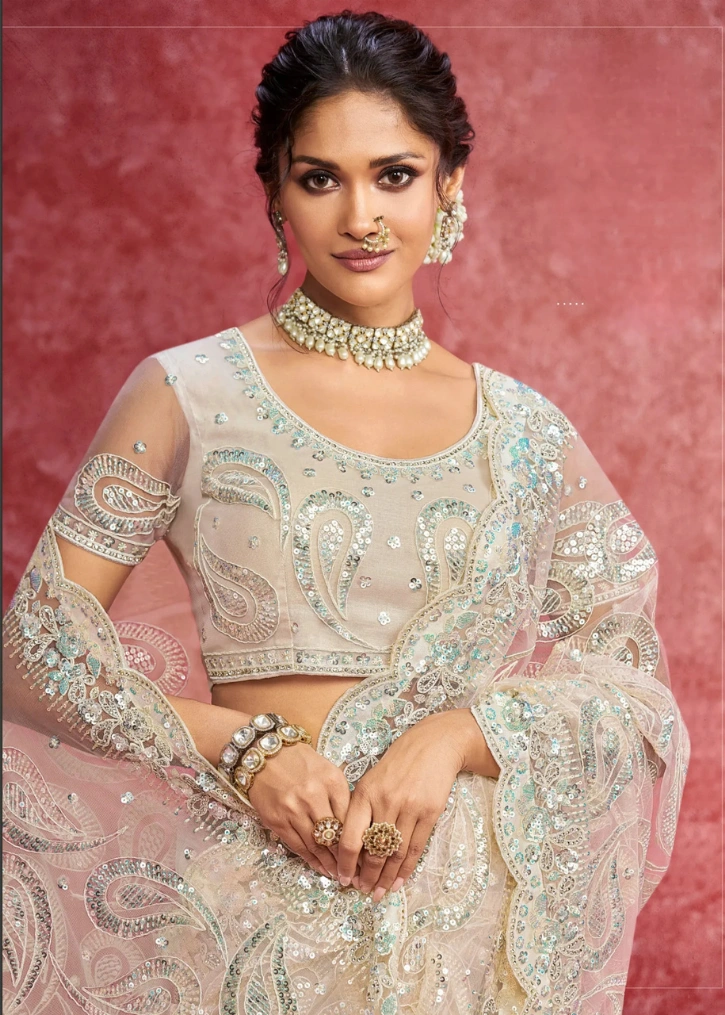
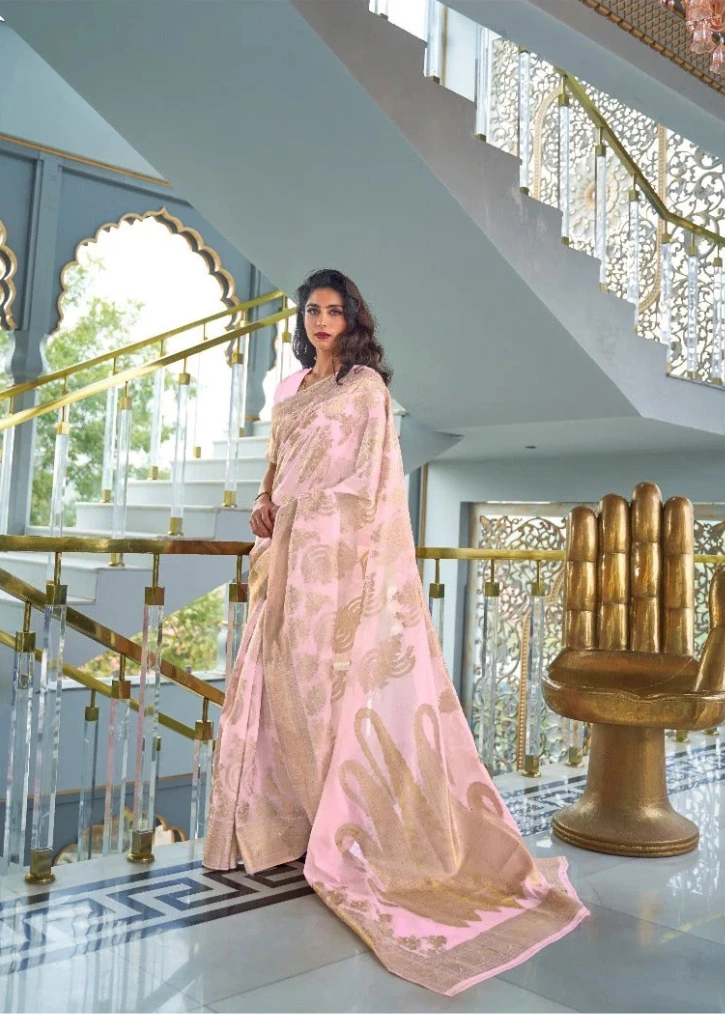
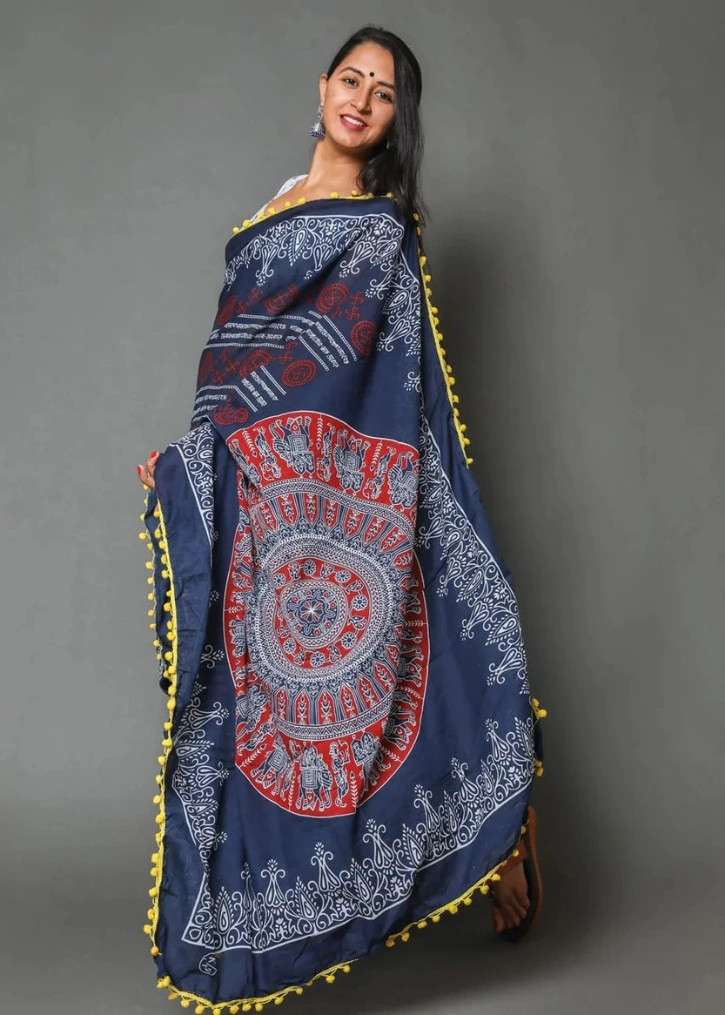
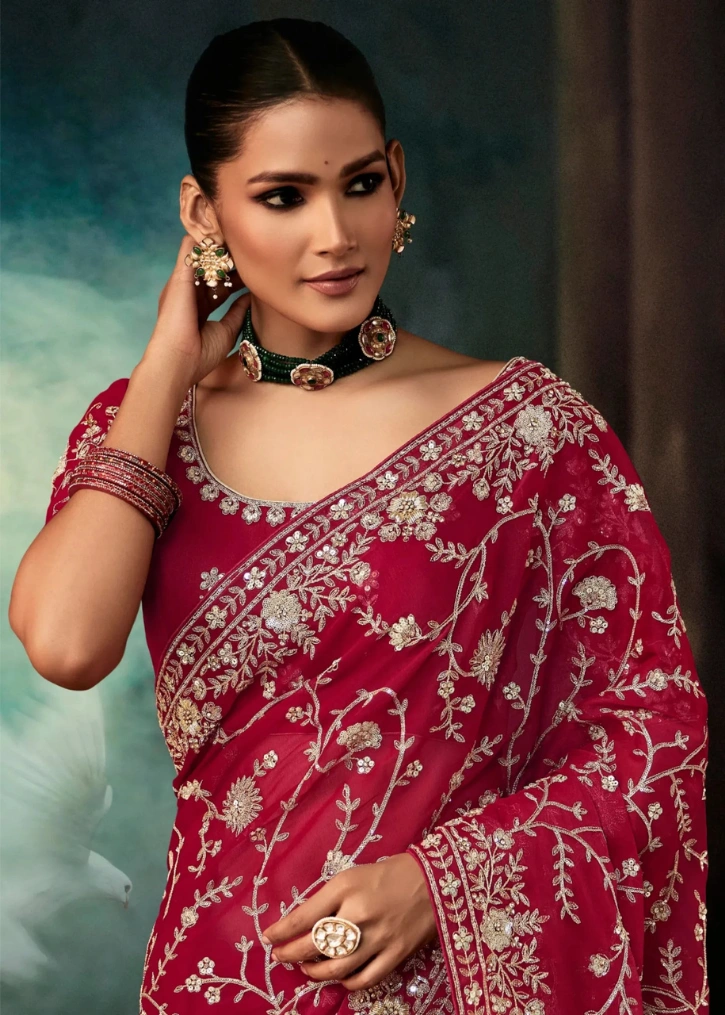
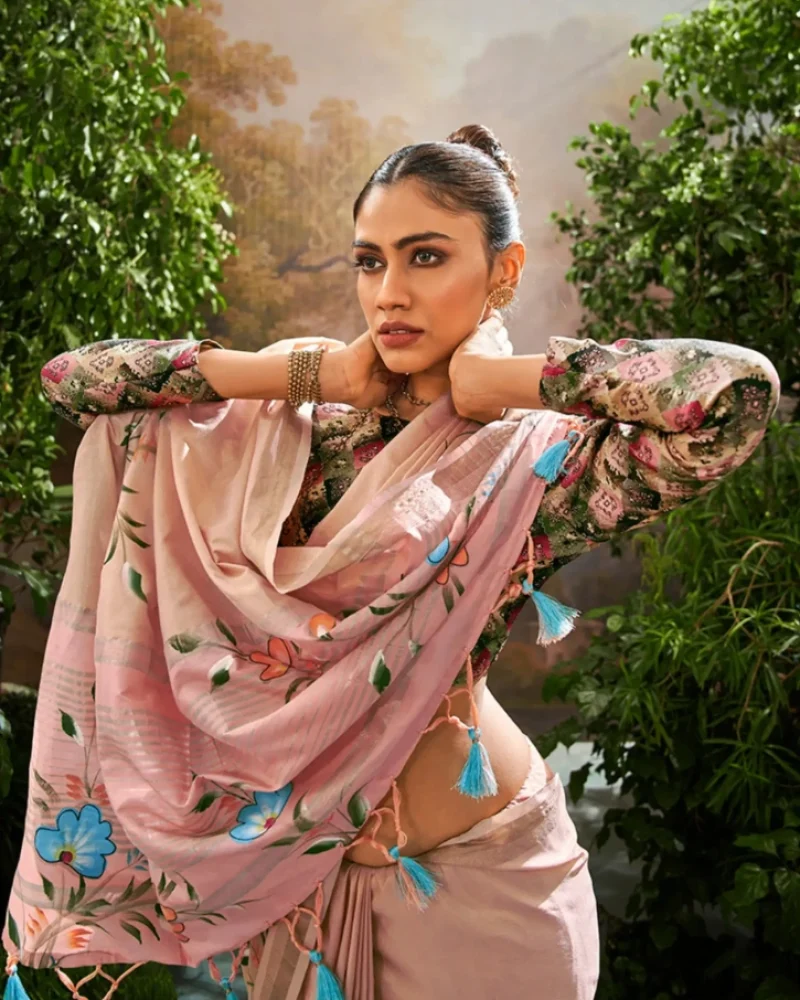
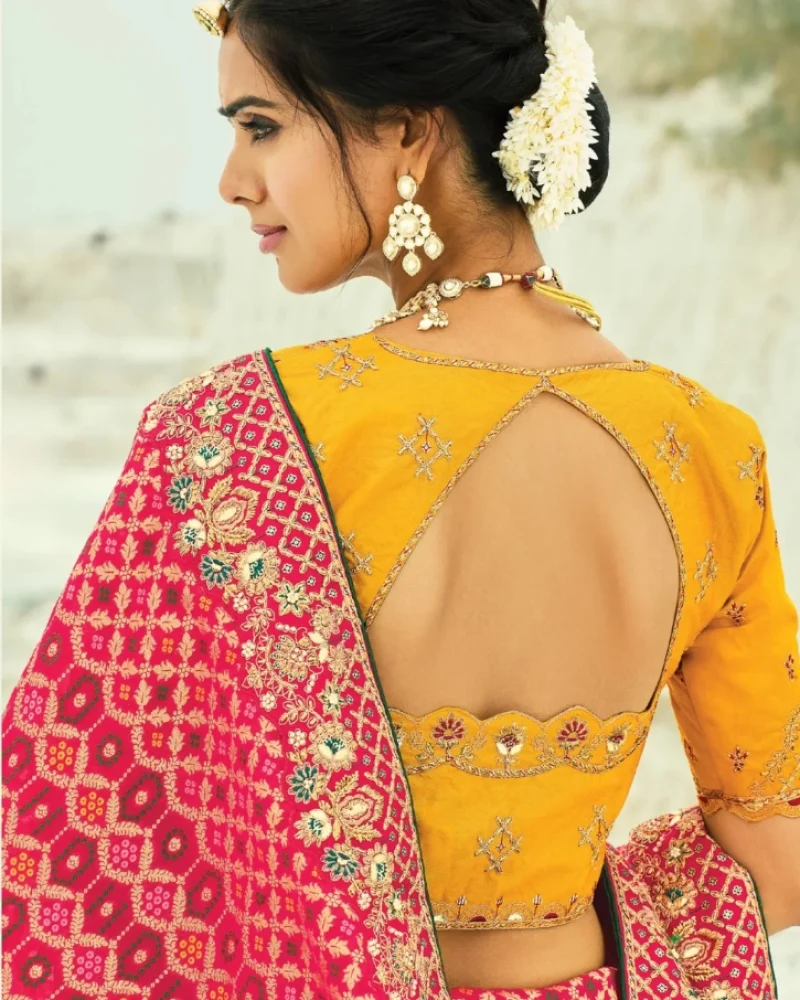
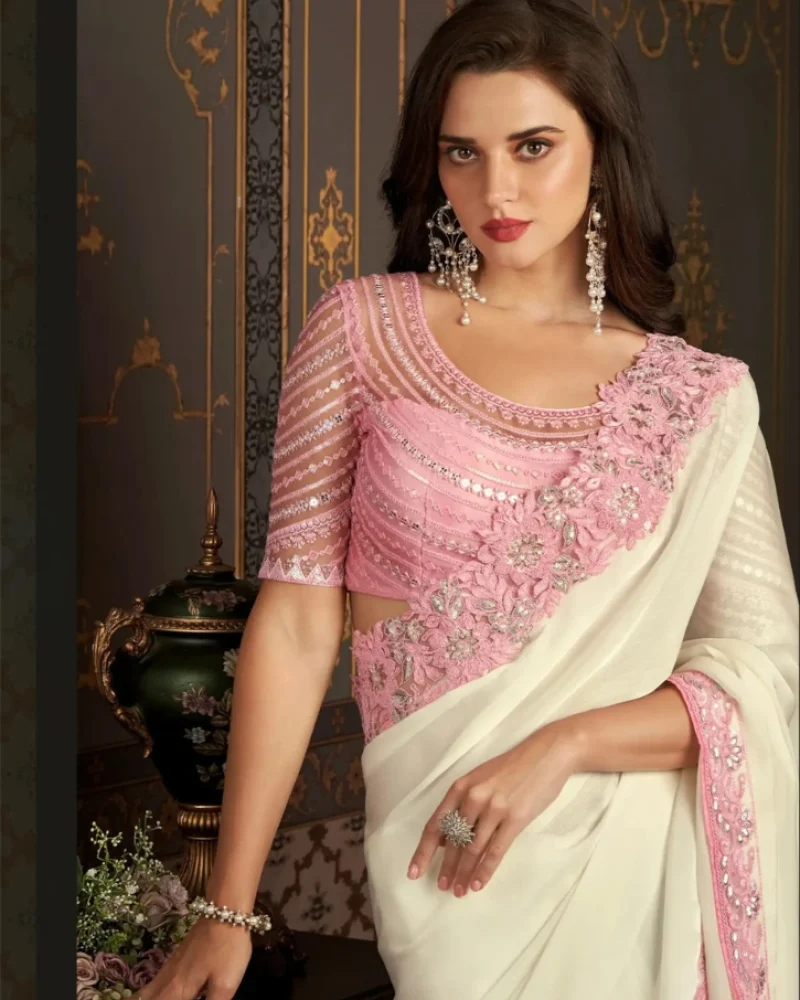
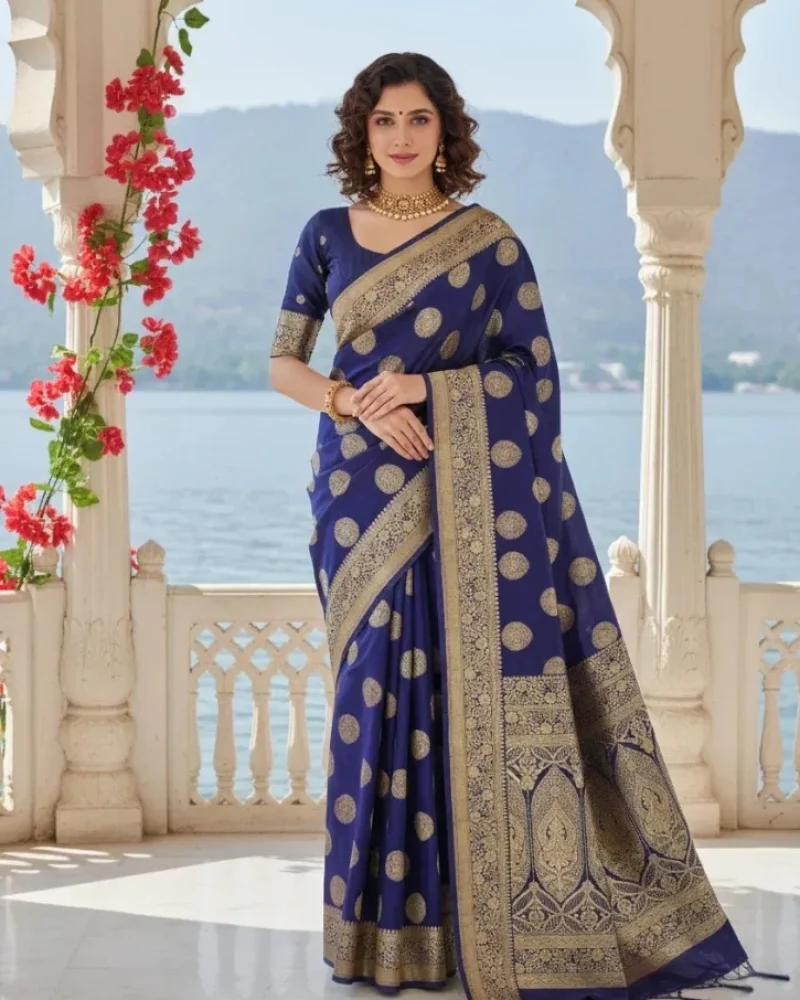

The Art And Challenge Of Saree Draping
Saree, timeless and ever‑evolving, is one of the most graceful and versatile Indian garments. The fashion police keep wiping the slate clean of transient trends, but the resilient saree survives every purge. From weddings and festive parties to office wear and casual outings, saree transforms itself to suit every occasion.
The challenge, however, lies in draping the 6 yards of unstitched fabric of the saree and making it look like a well-tailored gown. It is no mean feat to strut around in a saree held together with sheer skill, practice, and a pin.
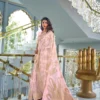
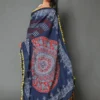
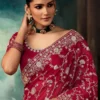
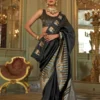
Often, I am approached by non-Indian customers to buy a saree with reference of saree-draped model pictures, hoping to find a stitched garment to fit their size and be easy to wear. They are confused to see the 6 yards of saree fabric, wondering how to make it look anything like the picture.
In India, the saree-draping skills are passed on from one generation to the other. However, lately, many young Indian women claim that they avoid wearing sarees either because they do not know how to drape one, or they find it cumbersome to move around in one. As a result, they prefer to get the saree pre-stitched in an easily wearable form.
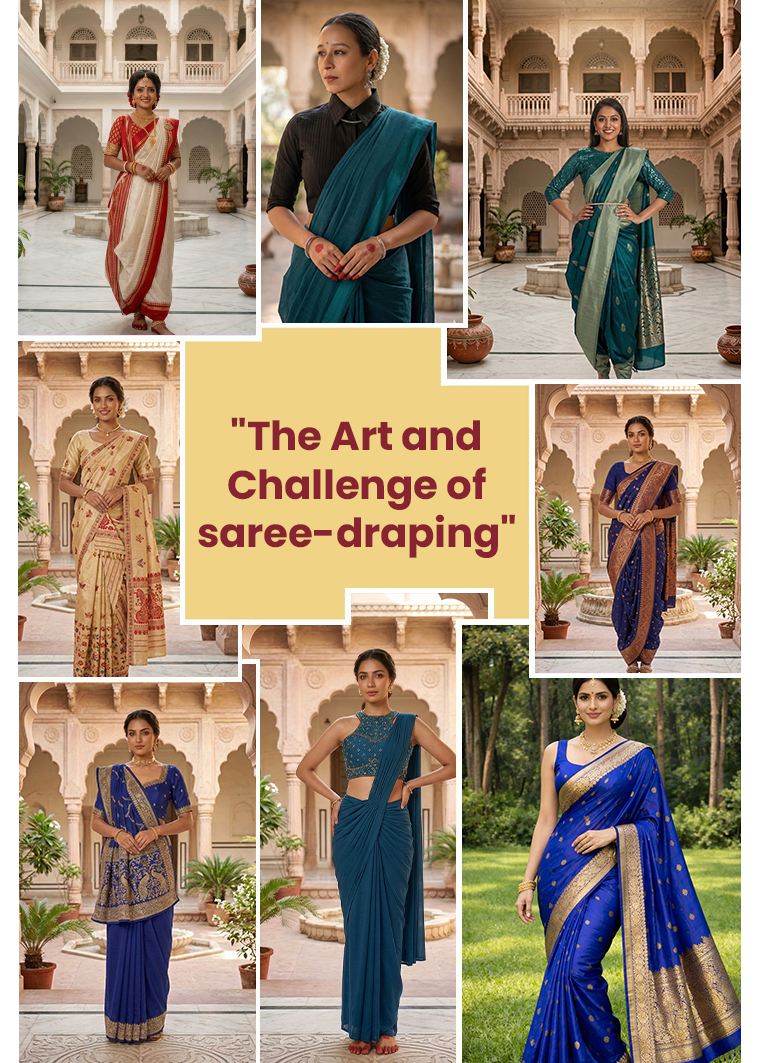
Moreover, there isn’t one way to drape a saree. There are myriad traditional draping styles that originate from different states of India and some modern drapes that have emerged from contemporary fashion. There is no dearth of online videos that would help you in nailing these drapes, but how do you pick one style over the other? So, here is a lowdown to help you pick a suitable drape for an occasion.
1) Nivi Drape:
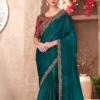
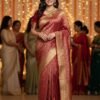
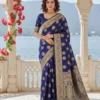
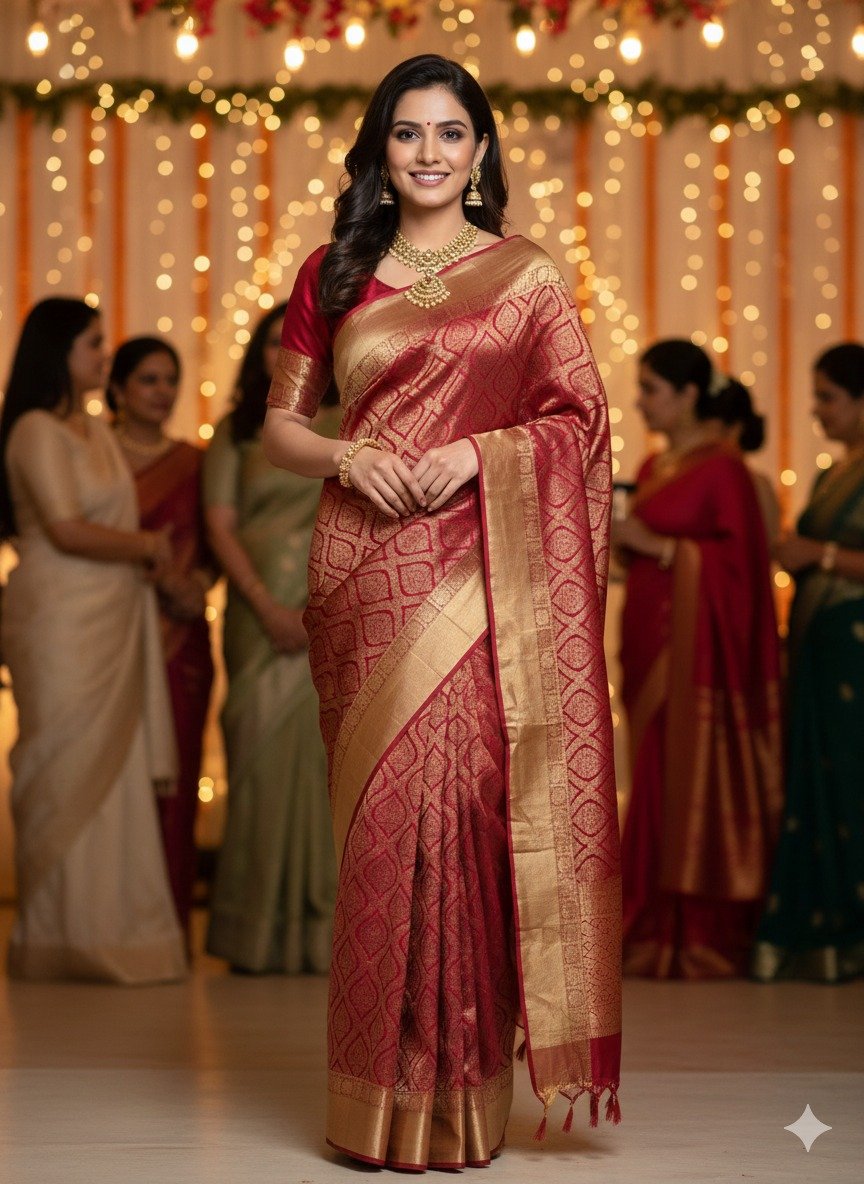
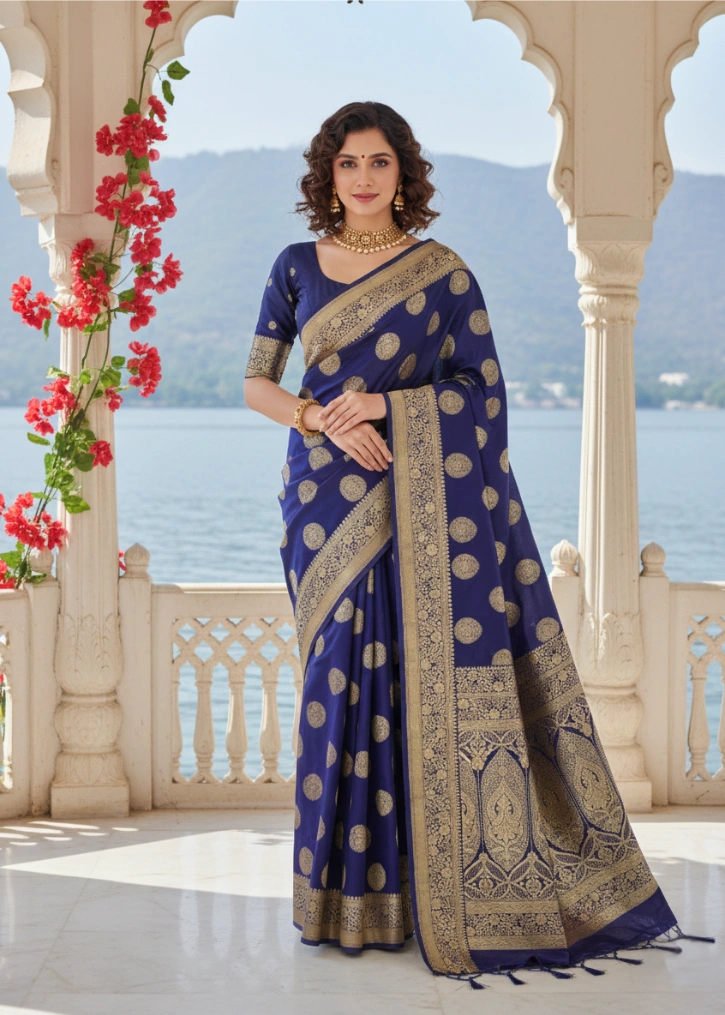
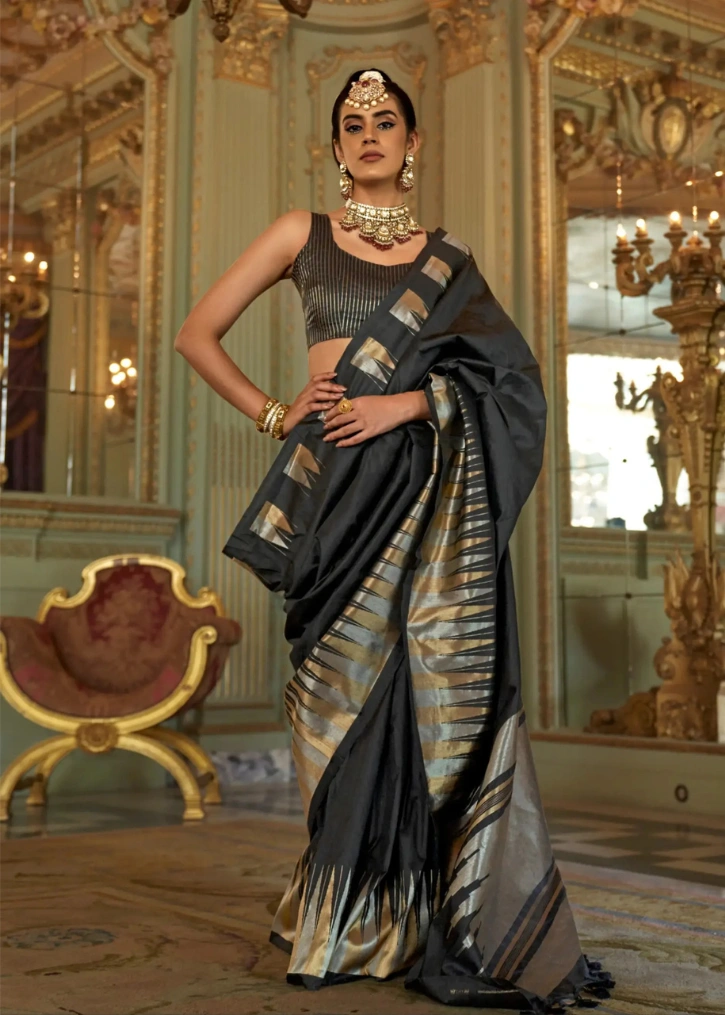
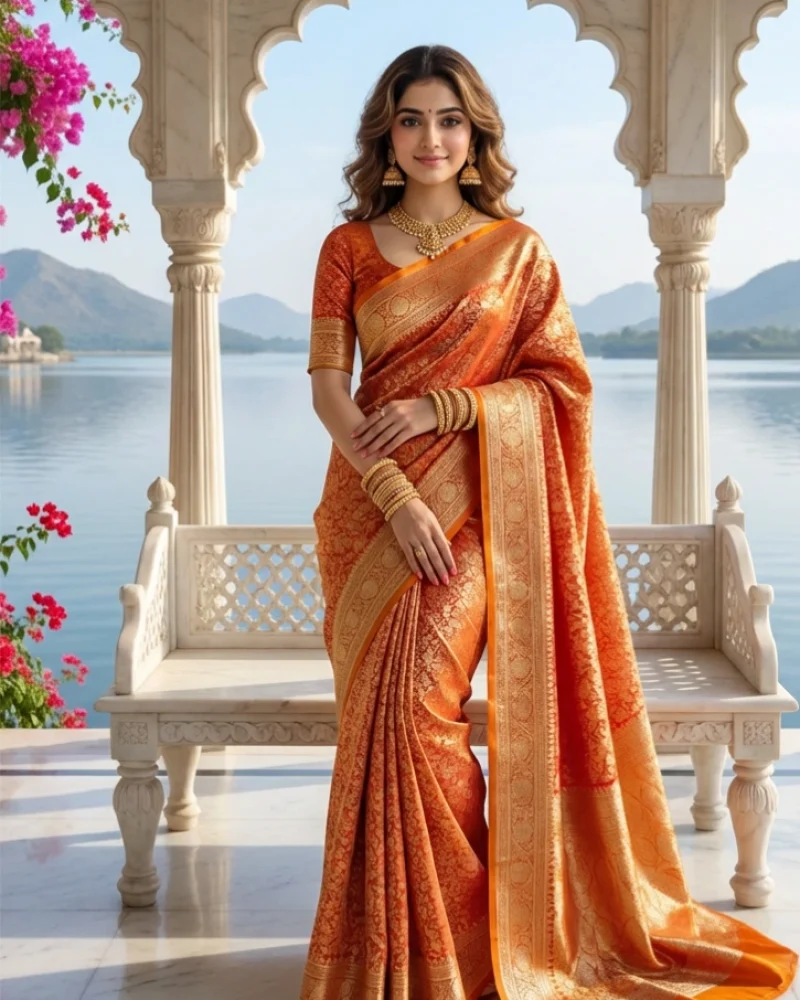
This is the traditional and the most common drape, but also the most preferred and good-looking one. Nivi drape accentuates the silhouette beautifully with organized pleats and palla on the left shoulder. Nivi has 2 versions,
- Open palla – where you allow the palla, a free fall from the shoulder. This is a graceful look with the palla – the most embellished part of the saree, flowing in its full glory. The downside is, you need the practice and skill to manage the loose fabric as you move around. If you wear saree rarely, and are unsure of being able to manage the open palla, opt for the
- Pleated palla – where the last 1 mtr of the saree – the palla is neatly pleated and pinned on the shoulder to the fabric of the blouse. This is a more organized and easily manageable version for beginners. Teachers, politicians, women in corporate world prefer this drape as it offers a professional look.
2) Lehenga Drape:
Best for wedding and reception extravaganza! The saree is wrapped like a flared pleated skirt and is matched with an heavily embellished decorated blouse that adds to the drama.
3) Bengali Drape:
This drape is typical of west Bengal, portraying the confident, empowered, art-loving, educated, Bengali women. This drape has wider and thinner pleats around the waist and the stunning palla is highlighted by keeping it in the front coming from the right shoulder. This is a regional drape, which finds seasonal popularity across India during the Bengali festivals like Durga puja.
4) Gujarati Drape:
This again is a regional drape, and is from the state of Gujarat. It is an informal Gujarati household drape. The pleats go opposite in direction, compared to Nivi drape, and the palla comes to the front from the right shoulder, similar to the Bengali drape. It is not a silhouette-defining drape. During Navratri festival and garba dancing, women across India try this drape to incorporate the Gujarati vibe.
5) Mekhela Chador or Settu Mundu:
Mekhela Chador is the Assamese drape and Settu Mundu is a Keralite drape. I have clubbed them together, since these are very similar looking drapes, and in both cases, the saree is split in 2 parts, the wrap around part (Mekhela/Mundu), and the palla/dupatta part (Chador/Neriyathu). These traditional regional drapes have not found popular acceptance across the country, and have remained confined to the states they belong to.
6) The 9-yard Madisaru/Nauvari Kashta Drape:
Madisaru is the Tamilian drape and Nauvari Kashta is the Maharashtrian drape, specific to a 9-yard saree, rather than the usual 6-yard saree. These drapes are usually used during religious ceremonies, pujas, and weddings in the respective states. 50 years ago, grand-moms in these elaborate drapes were a common sight, but these days it is event-specific.
Other rural almost extinct drapes include Kunbi from Goa, Kappulu from Andhra Pradesh, Halakki Vokkaliga from Karnataka, and Gochi Kattu from Telangana. Most rural women now have moved to other more popular drapes like Nivi, leaving these traditional drapes aside.
Apart from these regional drapes, the trends from the fashion and film industry have given rise to some modern drapes.
7) Pant Style:
Instead of a petticoat or a shaper the saree here is tucked into the waist belt of a pair of modern pants/trousers, leaving one pant-clad leg visible, contrasting against the flowy fabric of saree loosely draped over the rest of the body. A fusion-wear that looks sleek, modern and trendy. It’s often paired with a collared shirt or T-shirt instead of a traditional blouse. It’s preferred during celebrations in universities and colleges where the dress code might be traditional-wear or a saree with a twist.
8) Belt, Cape, Jacket Drape:
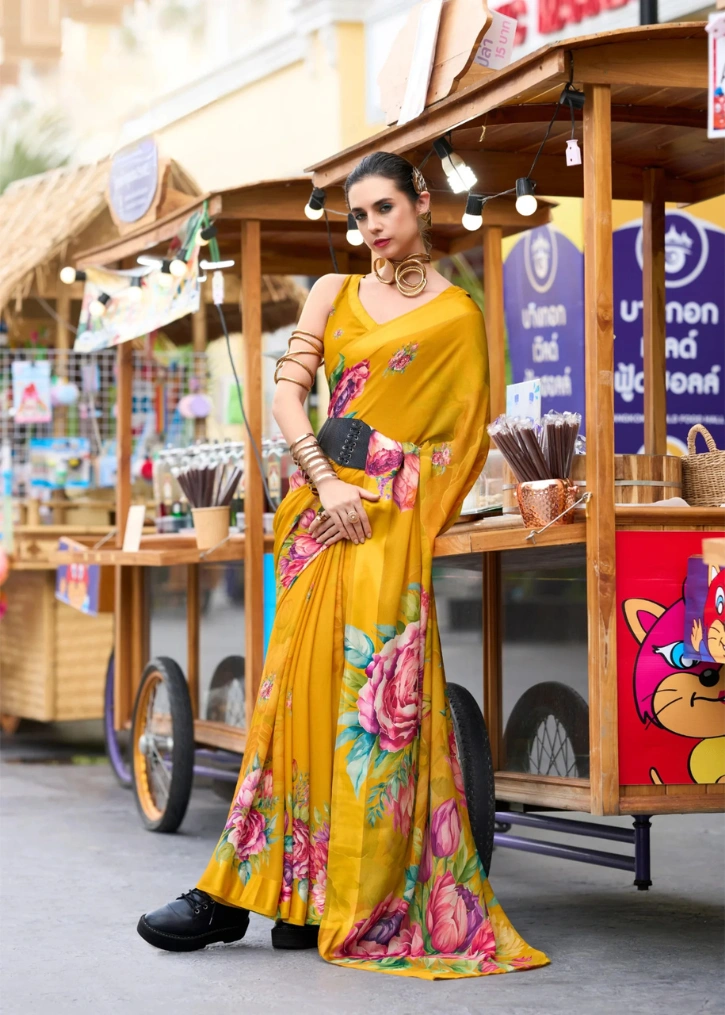
A modern take on saree draping allows the saree to be draped without an elaborate pallu arrangement. The look is enhanced by adding a cape over the blouse covering the top half or an embellished jacket/corset which gives a more shapely look to the upper half body unlike the usual bulky, or heavy saree look. A sleek or bold belt might be added to clinch the waist tight. These trends appear suddenly, and disappear equally quickly.
9) Dhoti Saree:
This is a fashion-forward and comfortable version that has hit it off as a preferred drape for wedding-related functions like engagement, sangeet, mehendi, cocktail, reception. It is a 9-yard-like look achieved with an easy 6-yard saree. Offers ease of movement.
Infinity drape, Mumtaz drape, Queen’s drape are other modern trends in draping that one might want to experiment with for less important occasions. These are passing trends but offer a good alternative if one gets weary of traditional drapes.
10) Pre-stitched Saree:
This is a short-cut to saree draping, popular among young ladies. They want the saree-look but lack the interest to learn the skill. They want it fast and easy. It’s a boon and a bane. While it offers the ease of draping, it takes away the versatility of the “one size fits all” feature of a saree.
A saree has the distinct benefit of bein g wearable by family or friends, but only if it is unstitched. My grandmom, my mom, my daughter, and I can wear the same saree without any alteration or adjustments, thanks to its flexible and versatile nature. As an heirloom piece, a saree can be passed on to the next generation because it is so adaptable. It beats the modern-day woe of weight fluctuation and adjusts effortlessly to your changing body.
With pre-stitching, people start incorporating different designs that do not resemble a traditional saree drape. In a sense, it ceases to be a saree and becomes a gown.
Being an ardent lover of the traditional form of a saree, I am no advocate of pre-stitched sarees. I do appreciate it as a fair means to let women who cannot drape a saree have the pleasure of wearing one the easy way. But stitching robs a saree of its unique quality – to be shared.
I believe the saree is the most environmentally friendly garment, as it transcends time, fashion trends, body-types, and ages. Saree is India’s unbeatable entry in the power-dressing category of fashion pageant.