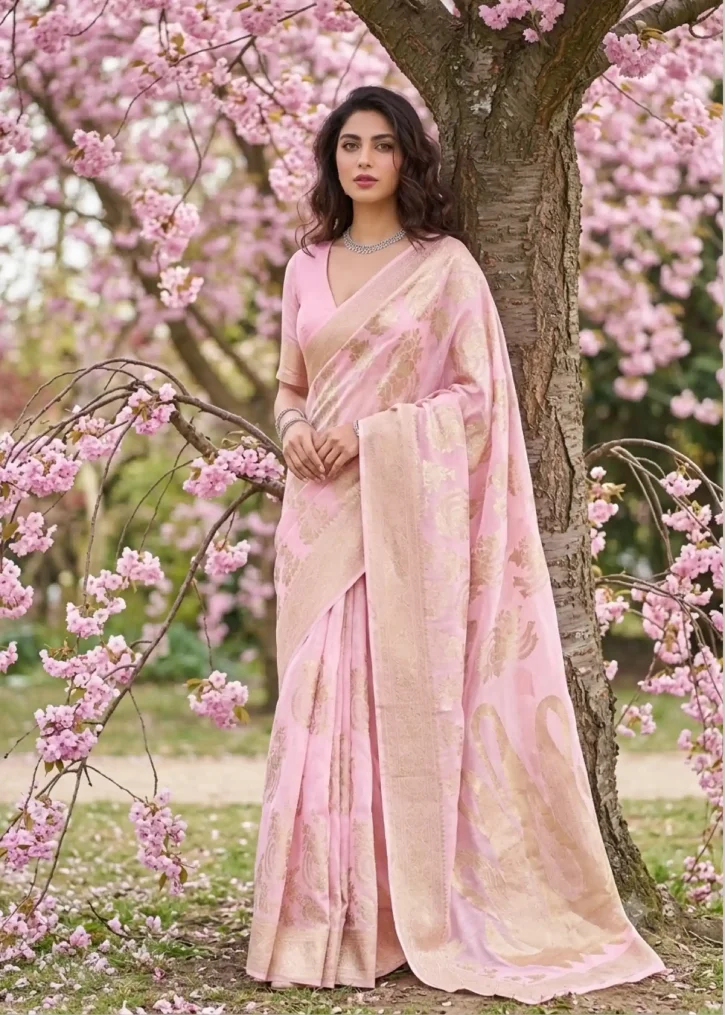
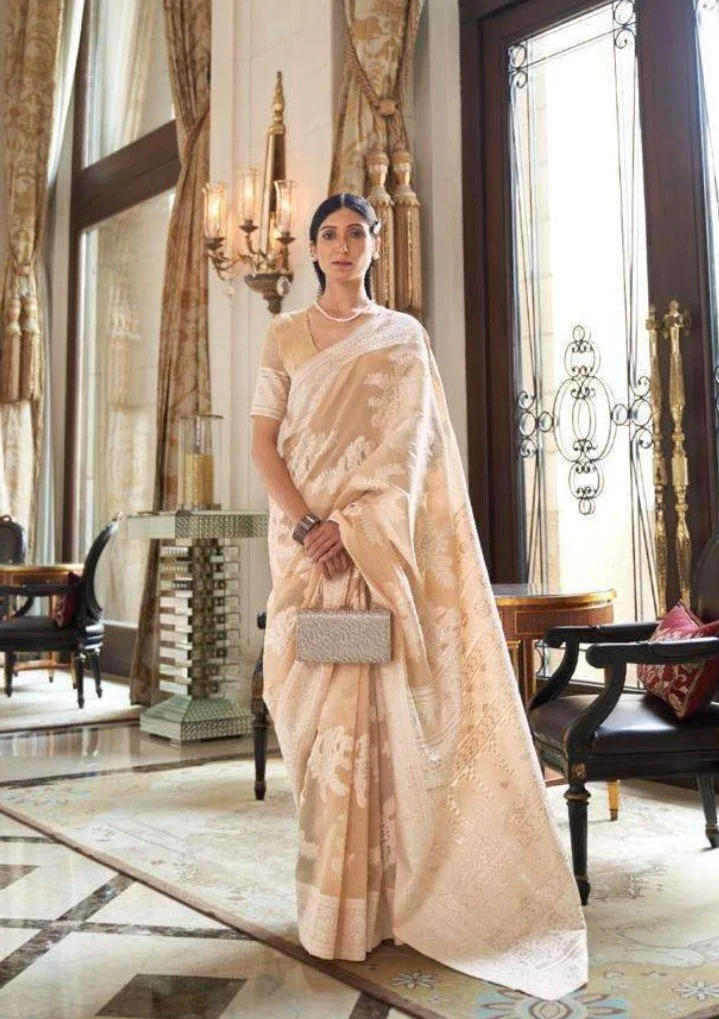
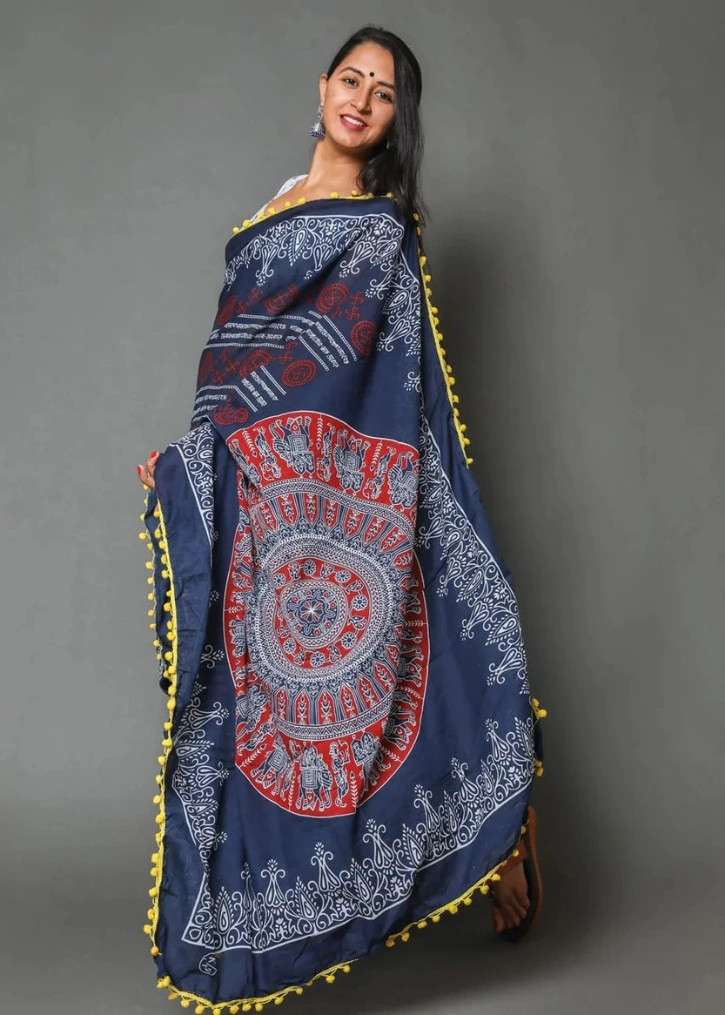
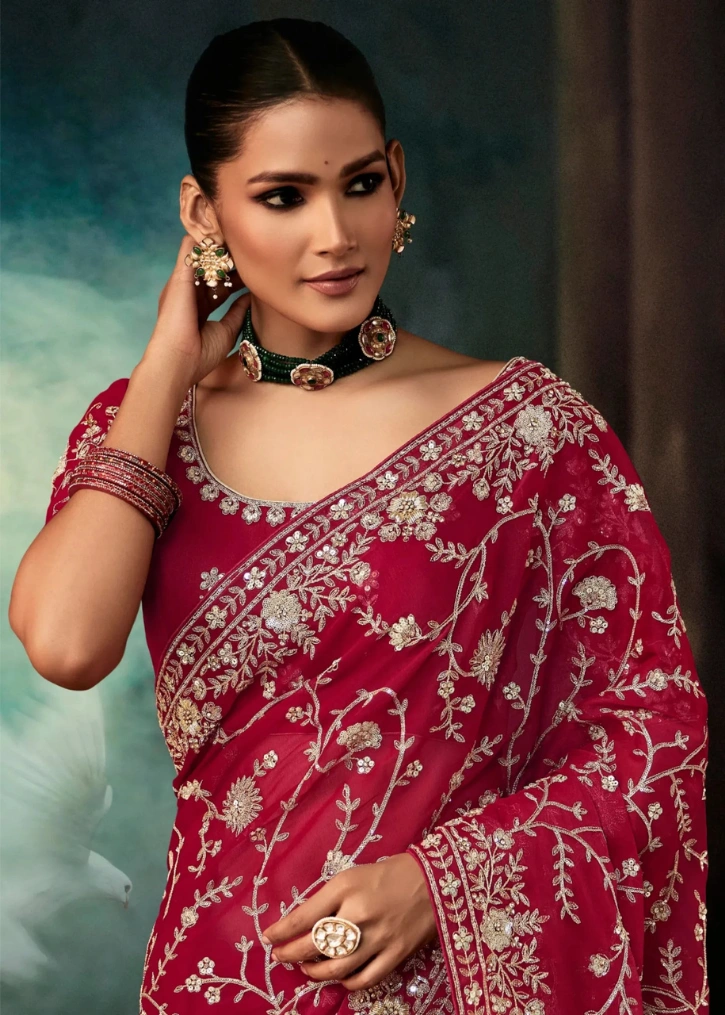
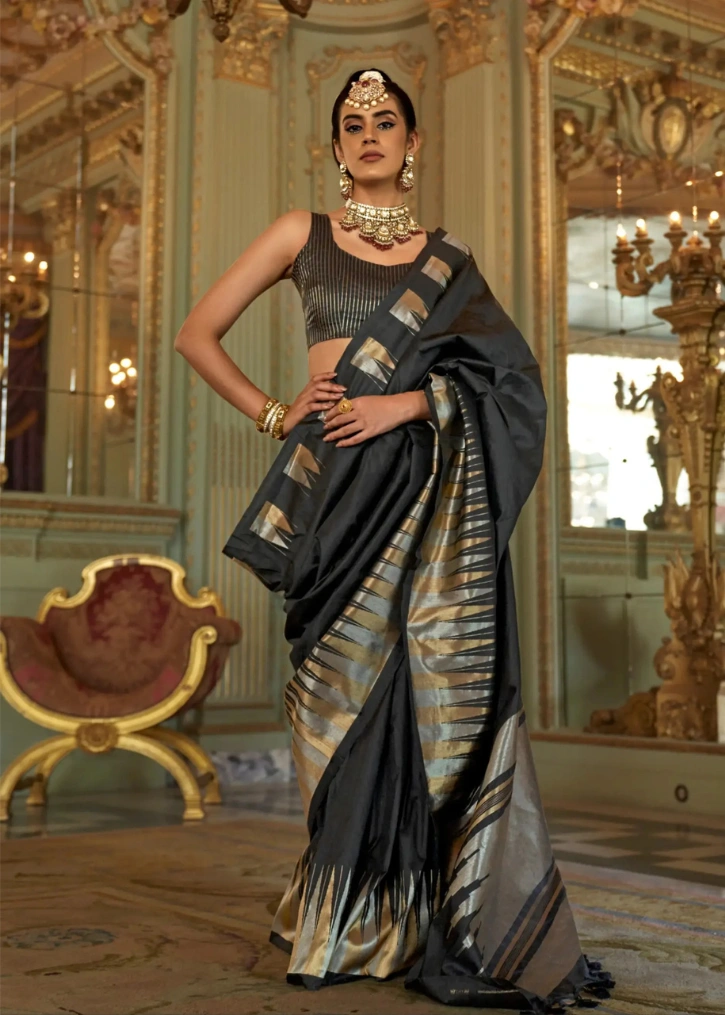
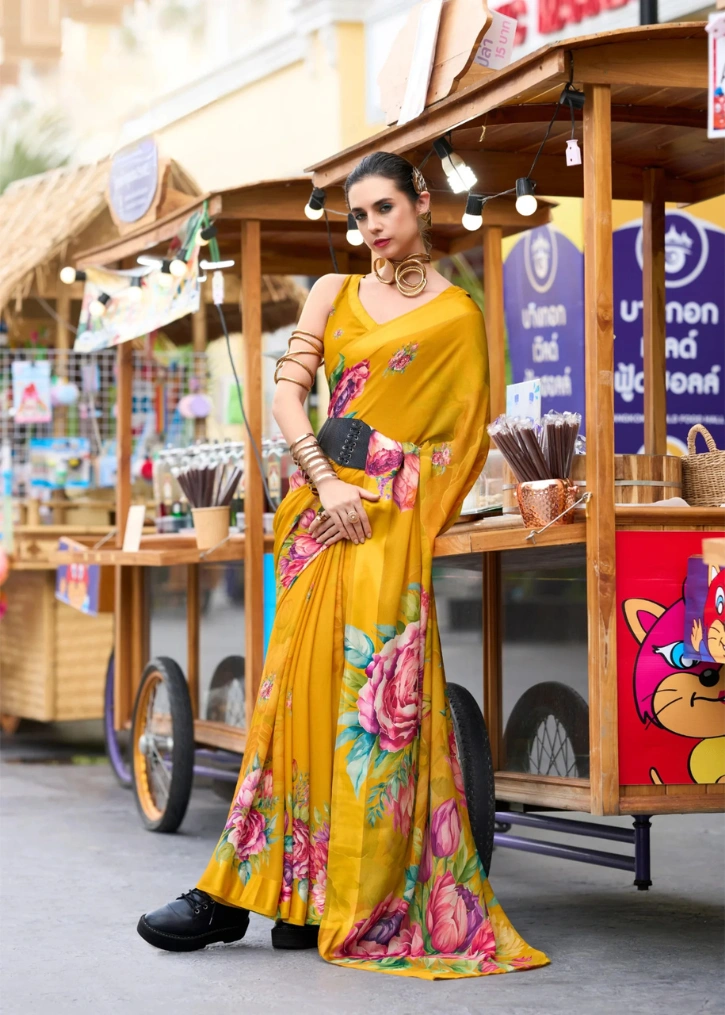
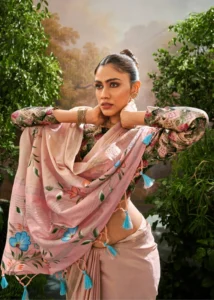
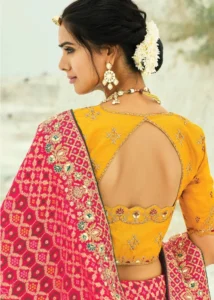
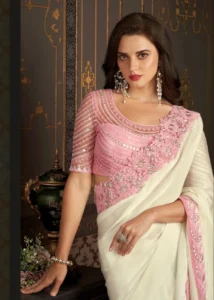
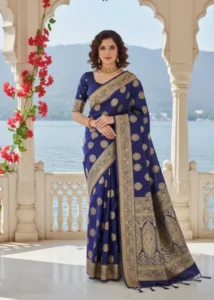
Showing 1–20 of 31 results
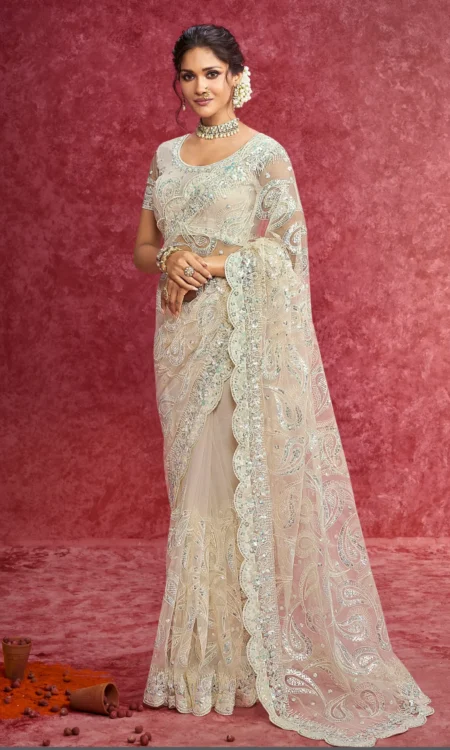
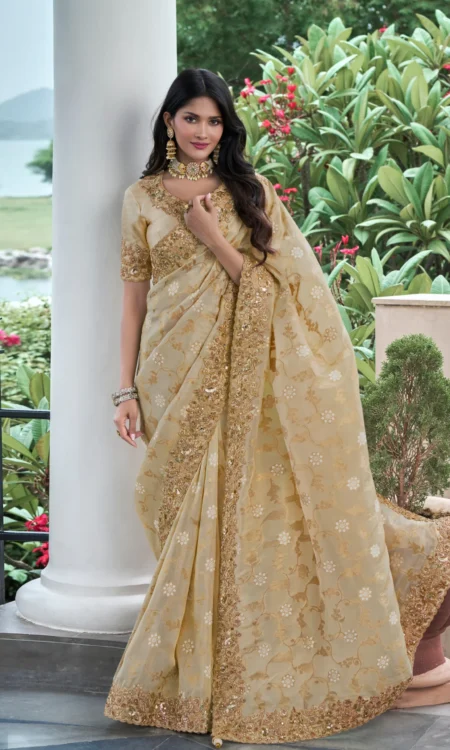
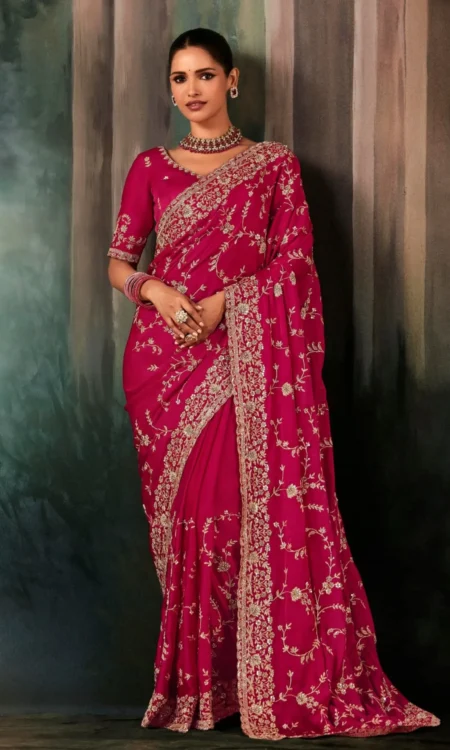
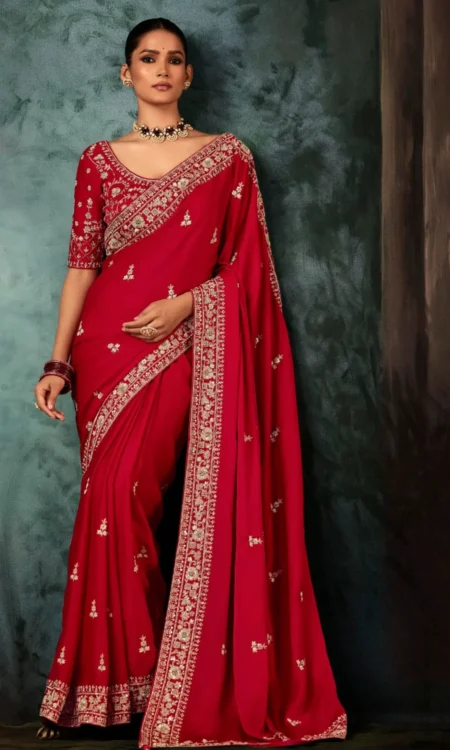
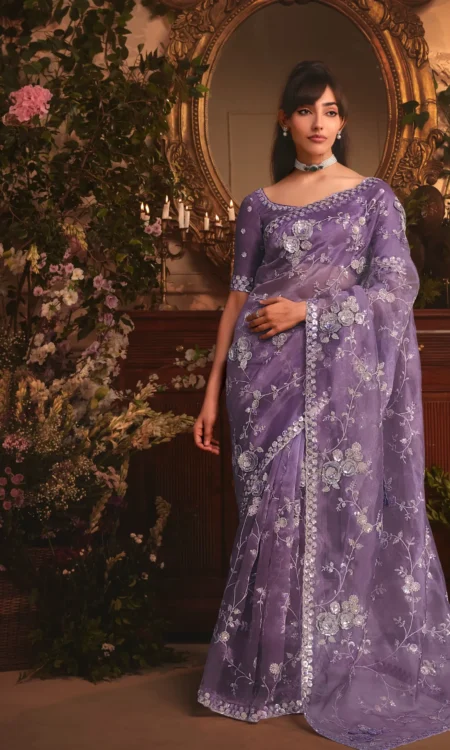
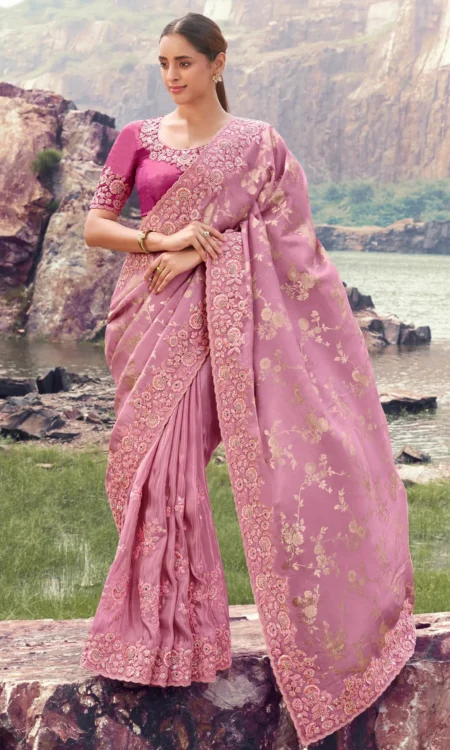
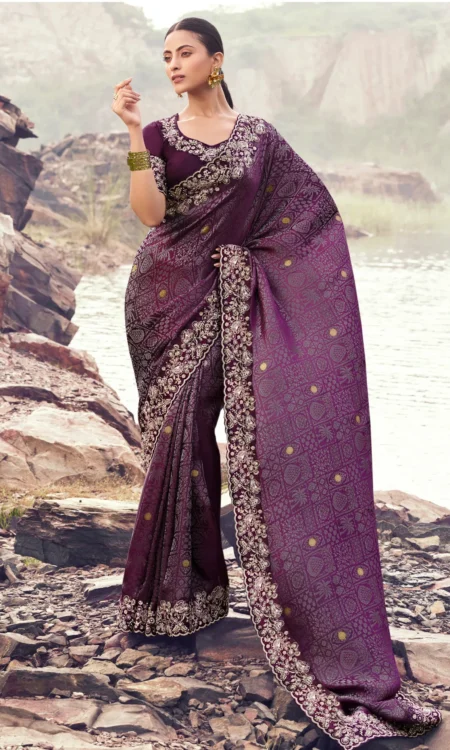
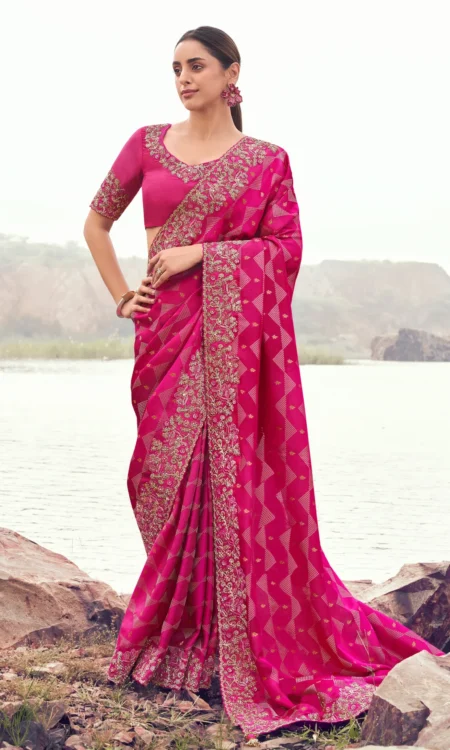
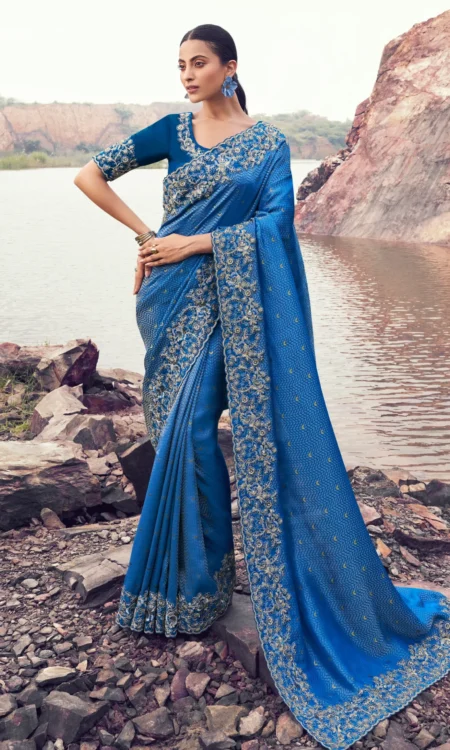
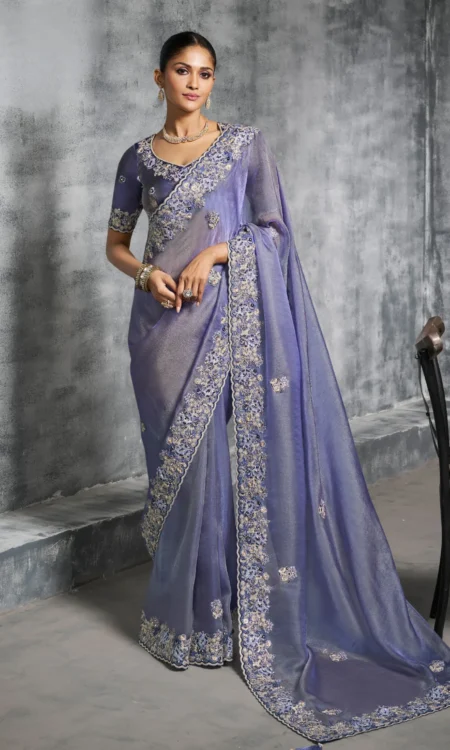
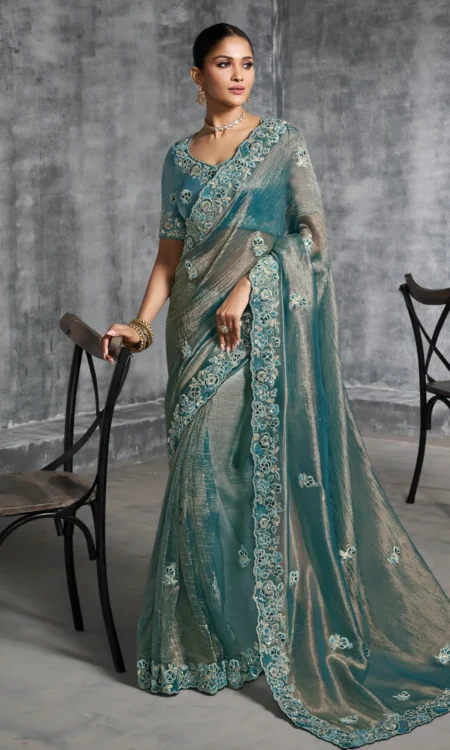
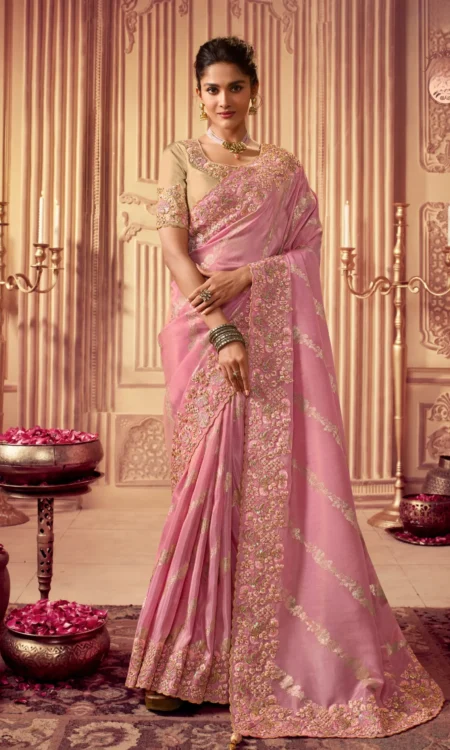
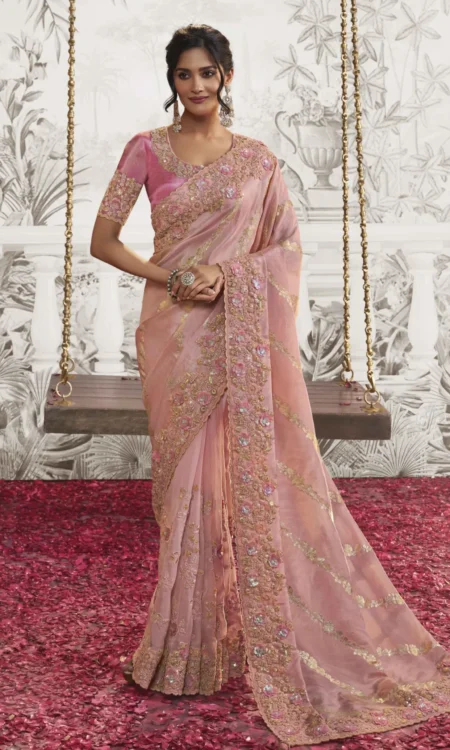
What Are Embroidered Sarees?
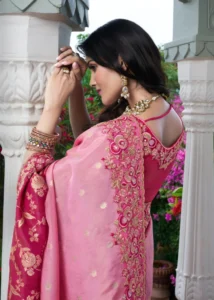
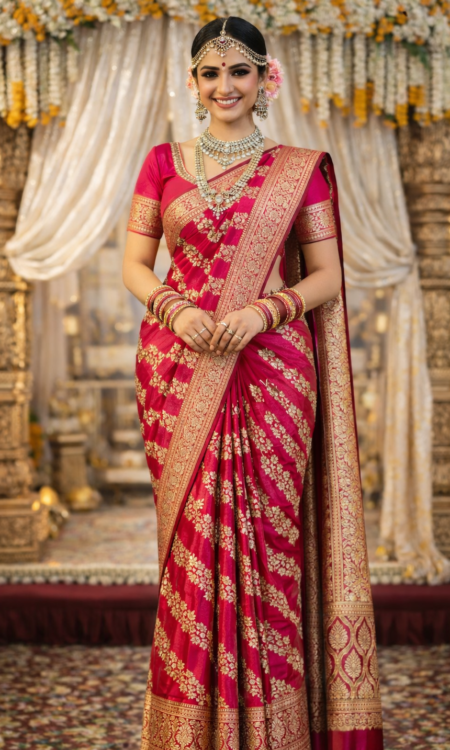
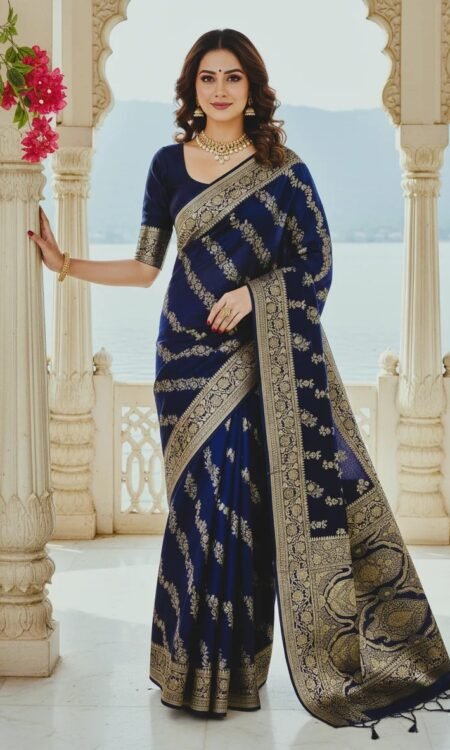
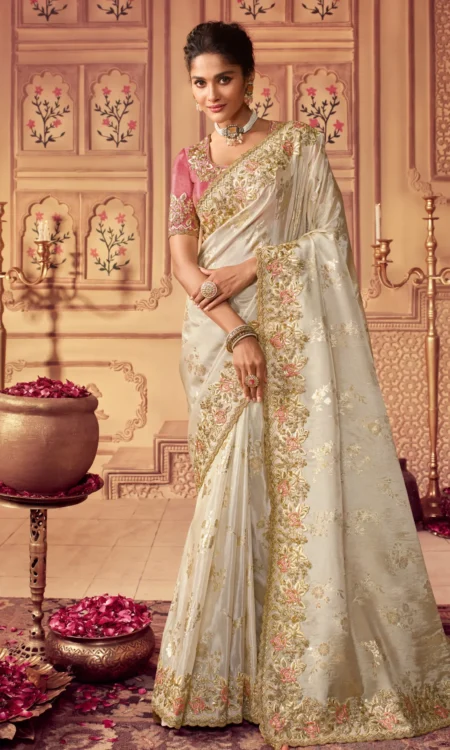
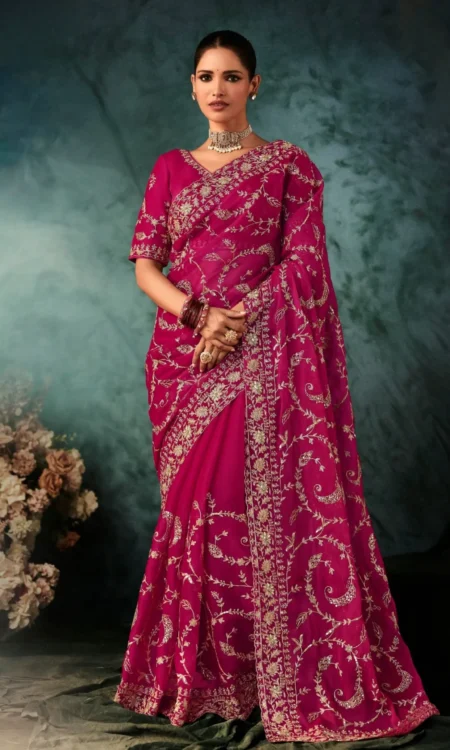
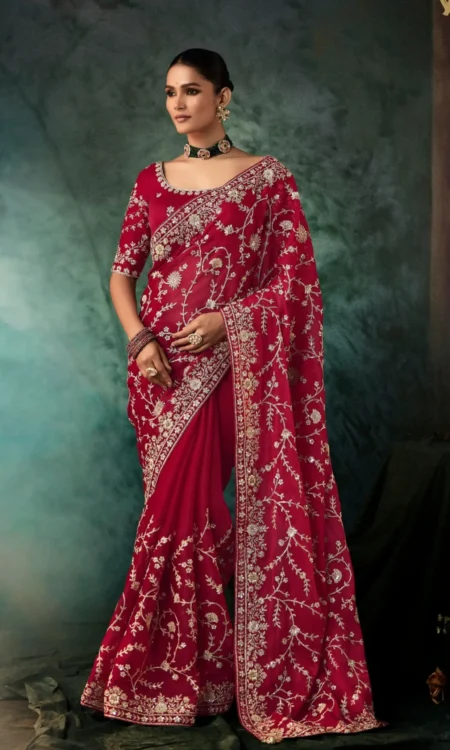
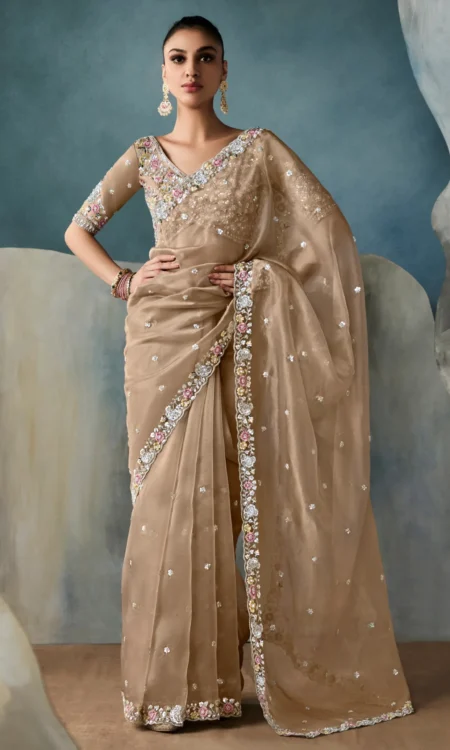
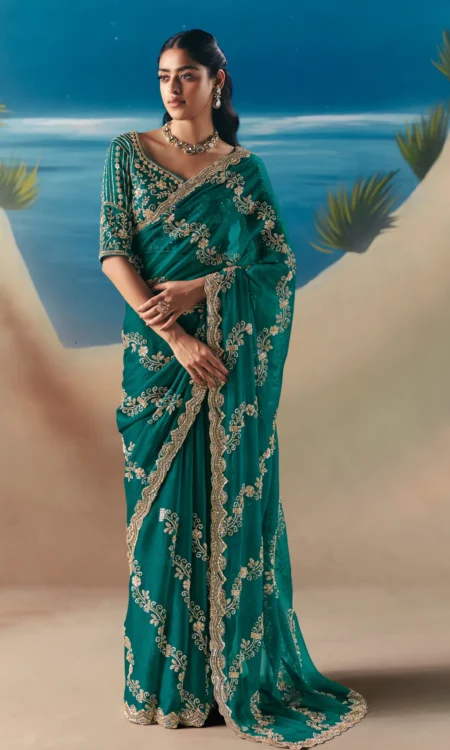
An embroidered saree is a saree decorated with stitched needlework applied to the textile. Embroidery may appear on the body, border, pallu, blouse piece or selected motifs, depending on the design.
The term embroidered saree does not automatically mean hand embroidered. Embroidery can be produced by hand, machine or through combinations of different production processes. The exact method depends on the individual saree.
Embroidery can also be combined with other decorative elements such as sequins, beads, stones or metallic materials. These embellishments may complement embroidery, but they are not all embroidery techniques themselves.
Embroidery vs Printing vs Woven Designs
The way a saree’s design is created affects its appearance, texture and construction.
| Decoration | How the design is created |
| Embroidery | Decorative needlework is stitched onto the textile. |
| Printing | A design is applied to the surface of the textile using a printing process. |
| Woven motif | The pattern is created as part of the fabric during weaving. |
| Appliqué | Separate material is attached to the base textile. |
| Embellishment | Decorative materials such as sequins, beads or stones are added to the textile. |
A saree can also combine more than one decorative method. For example, an embroidered saree may feature sequins or Swarovski embellishment alongside stitched work.
This distinction is useful when comparing an embroidered saree with a printed or woven design: the pattern may look similar from a distance, but the method used to create it is different.
Types of Embroidery and Decorative Work
Indian saree embroidery encompasses a wide range of techniques and traditions. The exact technique depends on the individual saree rather than the broad category name.
Some embroidered sarees may use thread-based work, resham-style embroidery, metallic work or decorative stitching combined with sequins and other embellishments.
Traditional Indian embroidery traditions include Chikankari, Kantha, Kasuti, Phulkari, Zardozi and Aari, among others. These are distinct techniques and regional craft traditions and should not be treated as interchangeable terms for embroidery.
For example, Chikankari is associated with Lucknow, Kantha with Bengal, and Kasuti with Karnataka. Zardozi refers to a form of metallic embroidery with its own materials and techniques. A saree should only be identified with one of these specific traditions when its construction and product information support that identification.
If you are looking specifically for a particular embroidery tradition, explore the relevant dedicated collection rather than assuming that every embroidered saree uses the same technique.
Hand Embroidery vs Machine Embroidery
Embroidered sarees can be produced using hand embroidery, machine embroidery or combinations of methods.
| Feature | Hand embroidery | Machine embroidery |
| Production | Decorative stitching performed manually. | Decorative stitching produced using embroidery machinery. |
| Variation | Small variations may occur naturally. | More consistent repeated patterns are possible. |
| Production process | Generally more labor-intensive. | Can support faster and more uniform production. |
| Appearance | Depends on artisan, stitch and materials. | Depends on machine, stitch design and materials. |
| Quality | Must be assessed from the actual work. | Must be assessed from the actual work. |
Hand embroidery should not automatically be described as superior to machine embroidery. The appropriate choice depends on the design, workmanship, materials, finish and shopper’s preferences.
Most importantly, “embroidered” should not be interpreted as “hand embroidered” unless the individual product specifically supports that claim.
Embroidered Sarees by Fabric
The base fabric plays an important role in how embroidery looks and how a saree feels when worn. The collection includes embroidered styles across fabrics such as organza, tissue, georgette, chiffon, silk, semi silk, net and Mashru silk.
Organza
Organza can provide a more structured appearance and works well with decorative borders, embroidery and embellishment. The collection includes several embroidered organza styles.
Tissue
Tissue sarees can offer a luminous, festive appearance. Embroidery and embellished borders can make tissue particularly suitable for celebratory dressing.
Georgette
Georgette provides a more fluid drape and can be paired with embroidery ranging from decorative borders to more elaborate work.
Chiffon
Chiffon can offer a lighter, fluid base for embroidered and embellished sarees. The collection includes chiffon styles featuring embroidery and sequins.
Silk
Silk provides a more substantial base and can support elaborate embroidery and embellishment. Some silk sarees in the collection are considerably heavier than lighter embroidered styles.
Semi Silk
Semi silk styles can offer a balance between a formal appearance and decorative embroidery, depending on the individual construction.
Net
Net provides a sheer base that can create a distinctive look when combined with embroidery and embellishment.
Mashru Silk
The collection also includes Mashru silk in embroidered saree designs, demonstrating that embroidery can be combined with different textile constructions rather than being restricted to one fabric.
There is no single “best” fabric for embroidery. The right choice depends on the desired drape, texture, weight, occasion and type of decorative work.
Embroidery Density: Light, Medium and Heavy
Not all embroidered sarees have the same amount of decorative work.
Light embroidery
These styles may feature:
- A delicate border
- Scattered motifs
- Limited pallu work
- Subtle thread embroidery
- Minimal embellishment
They can be useful when you want the visual interest of embroidery without a heavily worked appearance.
Medium embroidery
Medium-work sarees can combine more noticeable borders, pallu detailing, repeated motifs or additional embellishment while retaining a relatively balanced appearance.
Heavy embroidery
Heavily worked sarees can feature extensive embroidery, elaborate borders, substantial pallu work or additional sequins and embellishments.
Heavy embroidery does not automatically mean better quality. It can affect weight, texture, flexibility and styling, so the best choice depends on the occasion and your preferences.
Embroidery on the Border, Pallu and Body
Where embroidery is placed can change the overall character of a saree.
- Border embroidery creates a defined edge and can provide a refined decorative effect without covering the entire saree.
- Pallu embroidery creates a stronger focal point and can become particularly visible when the saree is draped over the shoulder.
- Body embroidery can create a more elaborate overall appearance, particularly when motifs are repeated across the saree.
- Blouse embroidery can coordinate the blouse with the saree and create a more complete occasionwear look.
The collection includes different combinations of these placements, so it is useful to look at the individual product photographs and description before choosing a style.
How to Choose an Embroidered Saree
When comparing embroidered sarees, consider more than the motif or color.
1. Start with the fabric
Consider whether you prefer the structure of organza or tissue, the fluidity of georgette or chiffon, or the more substantial feel of silk.
2. Look at embroidery density
Decide whether you want delicate embroidery, a moderately decorated design or heavier work.
3. Check the embroidery placement
A saree with a statement border will create a different effect from an all-over embroidered design.
4. Consider embellishments
Sequins, Swarovski elements, beads, stones or metallic details can change the surface texture and overall visual impact.
5. Consider weight
Embroidery and embellishment can add weight, but the base fabric and construction also matter. The collection includes both lighter and substantially heavier styles.
6. Match the occasion
A lightly embroidered organza or chiffon saree may suit a different setting from a heavily embellished silk or georgette saree.
7. Check the care instructions
Delicate embroidery and embellishments can require more careful handling. Always check the individual product’s care instructions before cleaning or pressing.
Embroidered Sarees for Different Occasions
Weddings
For weddings, consider sarees with richer embroidery, elaborate borders, detailed pallus, silk bases or additional embellishment when a more formal appearance is desired.
Not every embroidered saree is bridal. Wedding suitability depends on the saree’s fabric, color, embroidery density, embellishment and overall formality.
Wedding Guest Wear
A wedding guest can choose between understated and statement embroidery depending on the event. Pastels, delicate borders and lighter embellishment can create a more restrained look, while richer colors and heavier work can suit more formal celebrations.
Receptions and Evening Events
Embroidered sarees featuring sequins, Swarovski embellishment, statement borders or richer fabrics can work well for evening dressing, depending on the individual design.
Festive Occasions
Tissue, organza, silk and embellished embroidered styles can complement festive dressing. Choose the level of embroidery according to how formal you want the overall look to be.
Parties
For parties, consider embroidery combined with sequins, Swarovski detailing, striking colors or a more defined border and pallu.
Office Wear
If choosing an embroidered saree for work, look for lighter embroidery, restrained borders and less extensive embellishment. Fabric comfort and ease of movement should also be considered.
How to Style an Embroidered Saree
The amount of embroidery should influence the rest of the outfit.
For heavily embroidered sarees
Let the saree remain the main visual focus. Consider:
- Refined jewelry
- A coordinated blouse
- A simple clutch
- Elegant footwear
- A polished hairstyle
If the blouse is already heavily embroidered, simpler jewelry can help maintain balance.
For lightly embroidered sarees
A lighter design gives you more flexibility with accessories. You can introduce:
- Statement earrings
- Layered bangles
- A contrasting blouse
- A more decorative clutch
- Additional jewelry
Jewelry
Match jewelry to the formality and embellishment of the saree. Metallic embroidery or embellished borders may already provide substantial visual detail, while simpler thread embroidery can leave more room for statement jewelry.
Draping
A pallu with prominent embroidery can be displayed more deliberately, while a saree with an elaborate border may benefit from a drape that keeps the border clearly visible.
How to Care for an Embroidered Saree
Care depends on the saree’s fabric, embroidery method and embellishments.
Some embroidered sarees may include sequins, metallic work, Swarovski elements or other delicate decorative details. These can be affected by friction, twisting, direct heat or inappropriate cleaning.
For the safest approach:
- Follow the individual product’s care instructions.
- Avoid unnecessary brushing, beating, twisting or squeezing.
- Do not assume that hand washing or machine washing is suitable.
- Use professional cleaning where the product instructions recommend it.
- Avoid excessive direct heat when pressing.
- Handle embellished areas carefully to reduce snagging.
- Store the saree in a dry, suitable environment.
- Protect delicate embroidery and embellishment when folding.
- Change folds periodically for long-term storage where appropriate.
Because different sarees use different fabrics and decorative techniques, there is no single universal washing method for every embroidered saree.
Explore Related Saree Collections
Looking for a specific textile or decorative tradition?
Explore our:
These collections represent different textile, construction or decorative categories, making them useful starting points when you want to compare embroidered sarees with other saree styles.
Frequently Asked Questions
What is an embroidered saree?
An embroidered saree is a saree decorated with stitched needlework applied to the textile. The embroidery may appear on the body, border, pallu, blouse or selected motifs.
Are embroidered sarees hand embroidered?
Not necessarily. Embroidered sarees can be produced using hand embroidery, machine embroidery or combinations of production methods. Check the individual product information for the specific method.
What is the difference between embroidered and printed sarees?
Embroidery creates decoration through stitching, while printing applies a design to the textile surface. The two processes can create visually similar patterns but produce them in different ways.
What is the difference between embroidery and weaving?
Embroidery is decorative needlework applied to a textile. A woven motif is created as part of the fabric during the weaving process.
Are embroidered sarees heavy?
Some are, while others are relatively light. Weight depends on the base fabric, embroidery density, embellishments and overall construction. The collection includes both lighter and substantially worked styles.
Which fabrics are used for embroidered sarees?
The collection includes embroidered sarees in fabrics such as organza, tissue, georgette, chiffon, silk, semi silk, net and Mashru silk. The appropriate choice depends on the desired drape, weight, occasion and design.
Are embroidered sarees suitable for weddings?
Yes. Embroidered sarees can suit weddings, receptions and wedding-guest occasions, but the right choice depends on embroidery density, fabric, color, embellishment and overall formality. Not every embroidered saree is a bridal saree.
How should I care for an embroidered saree?
Follow the individual product’s care instructions. Avoid assuming that every embroidered saree can be hand washed or machine washed, particularly when it contains delicate embroidery, sequins, metallic work or other embellishments.