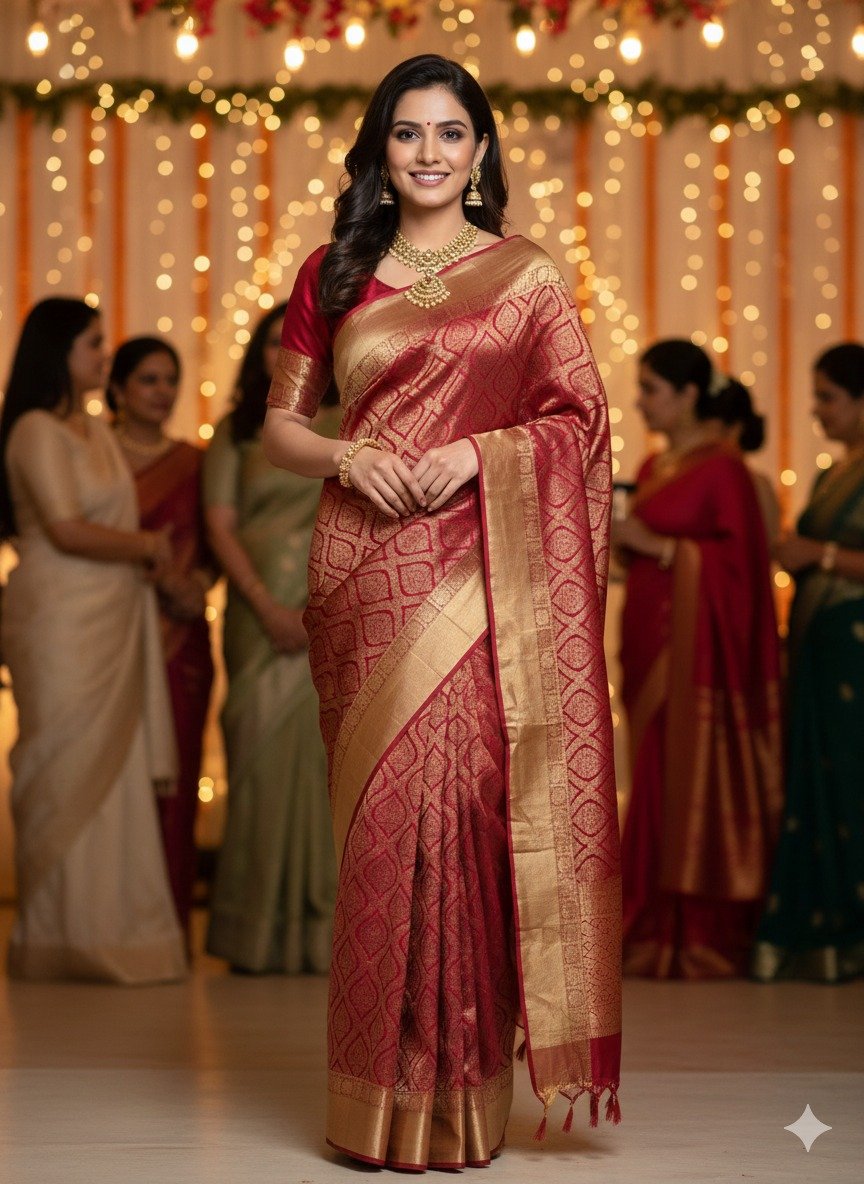
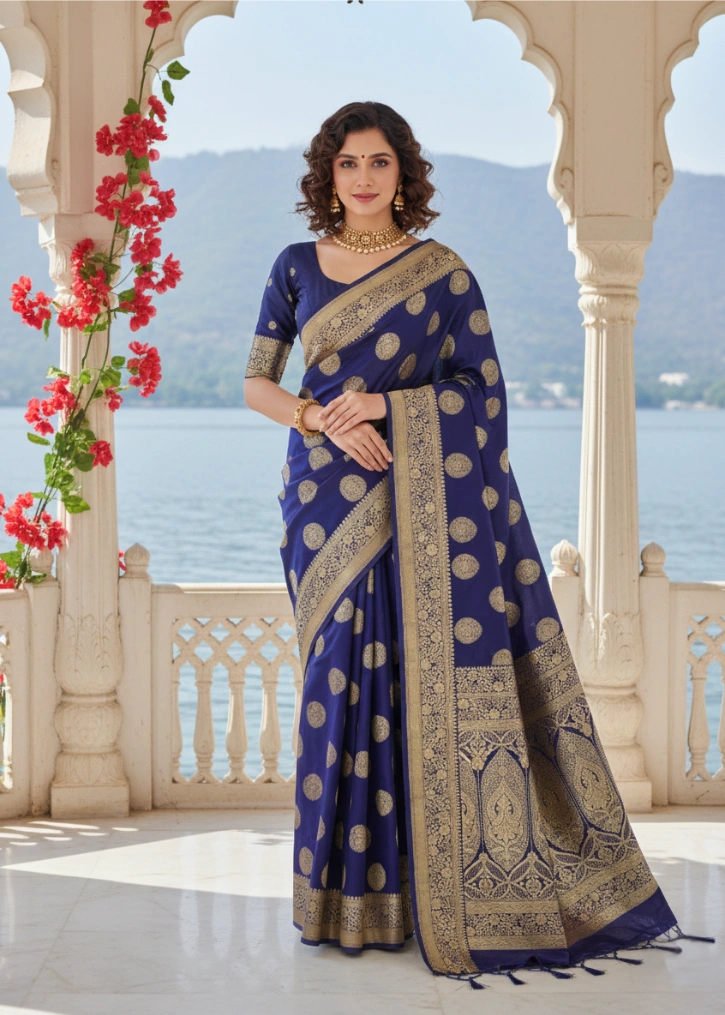
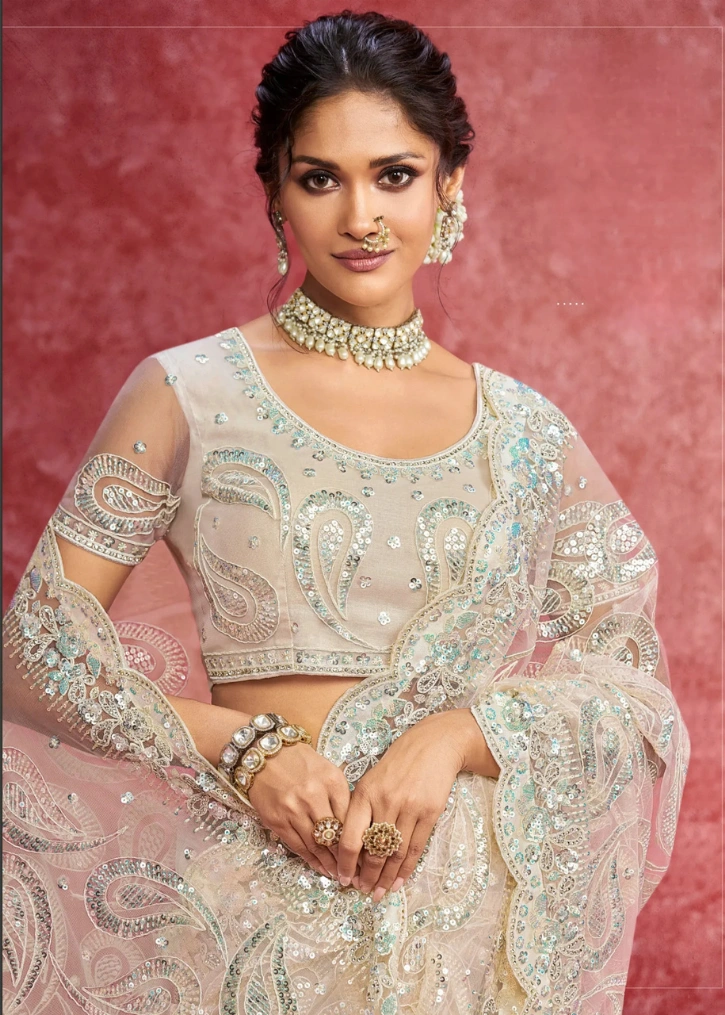
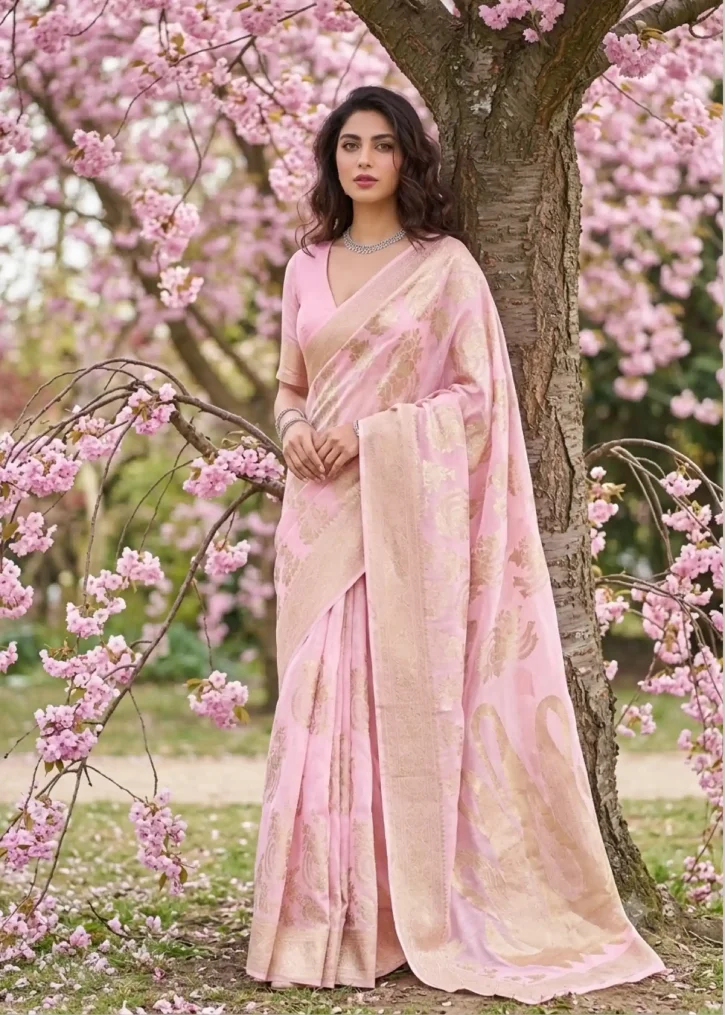
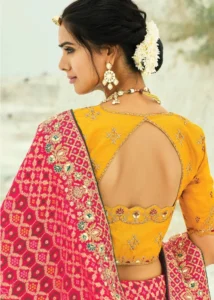
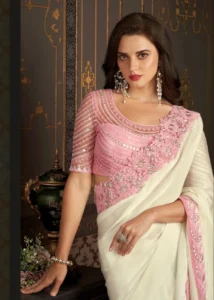
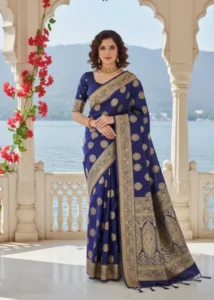
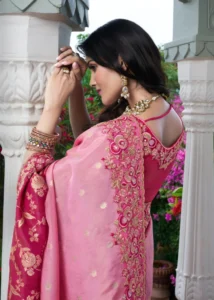
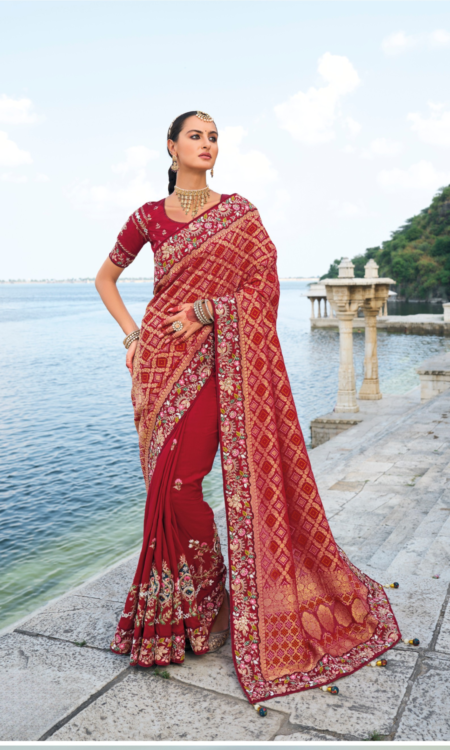
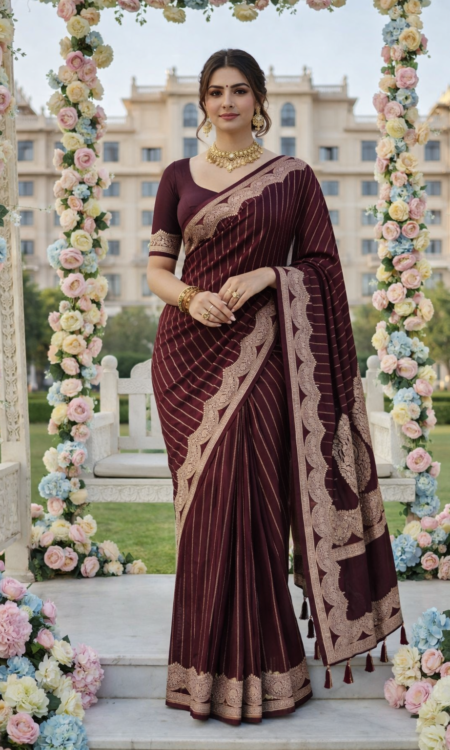
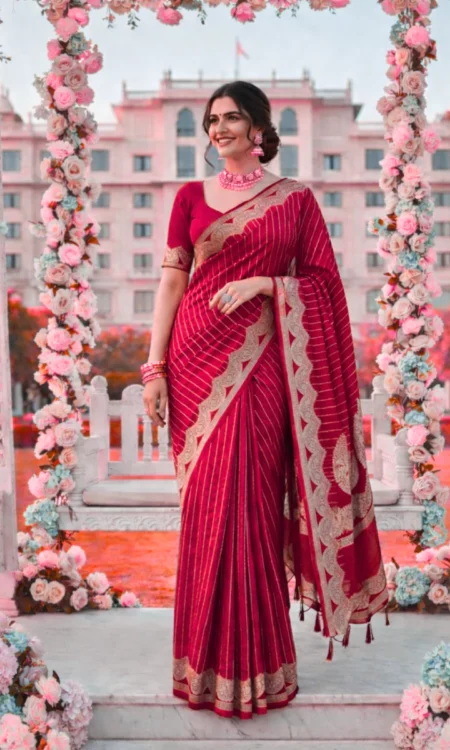
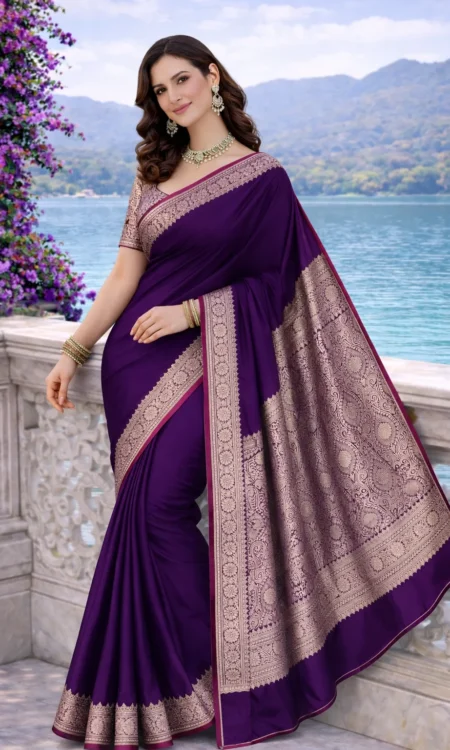
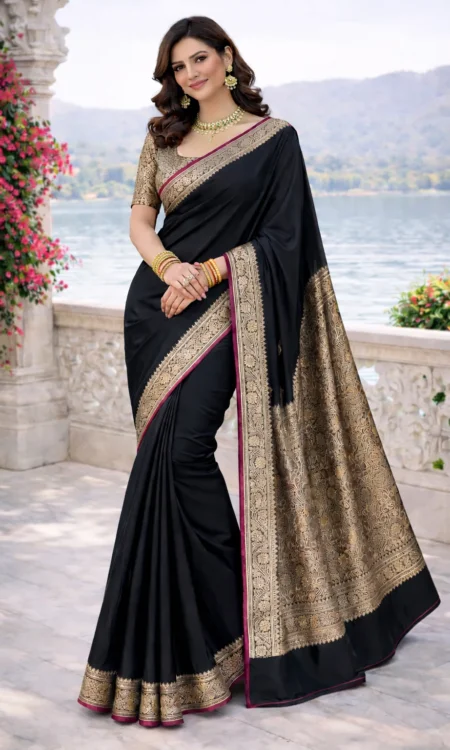
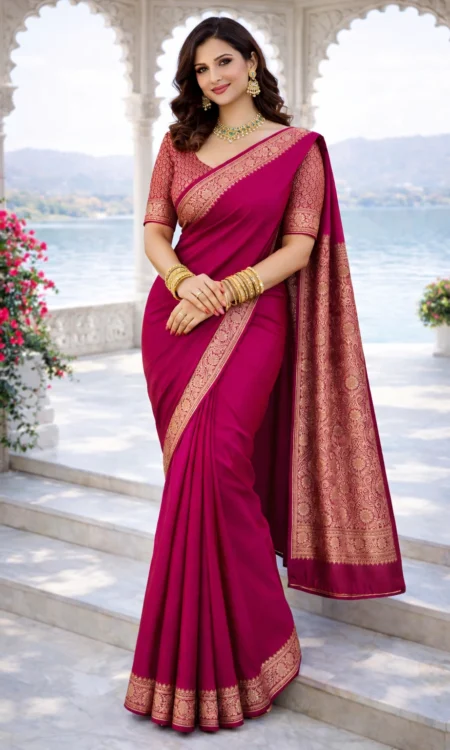
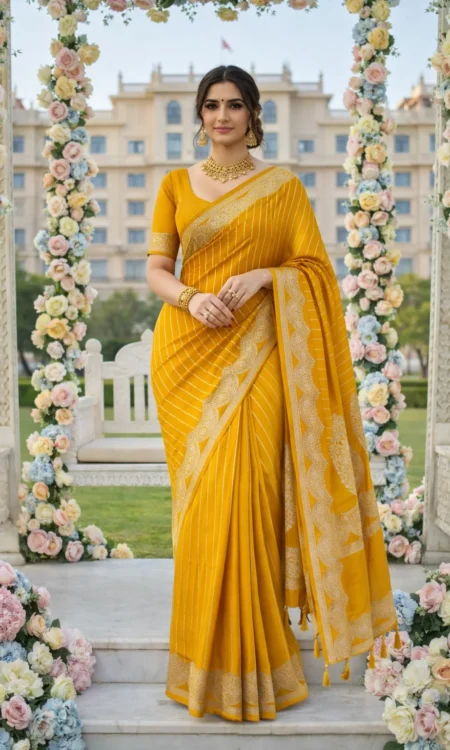
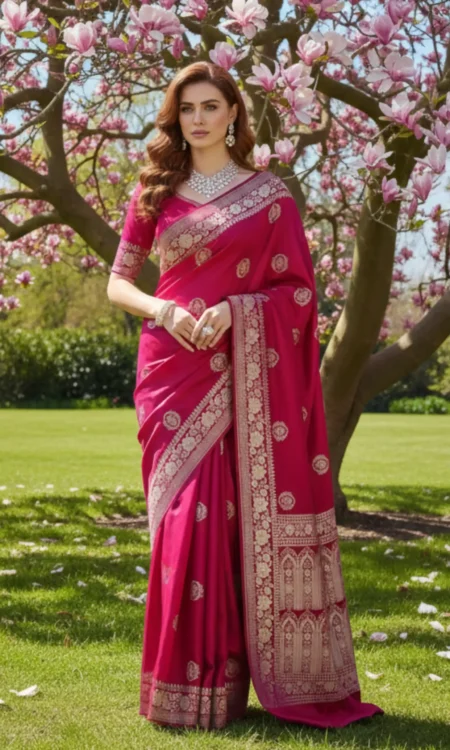
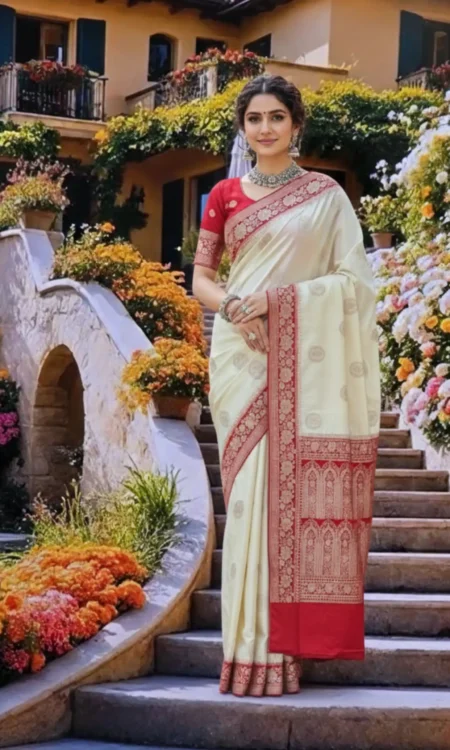
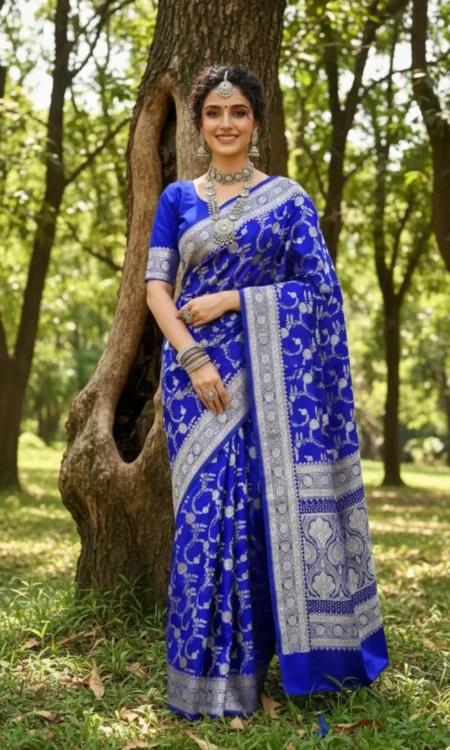
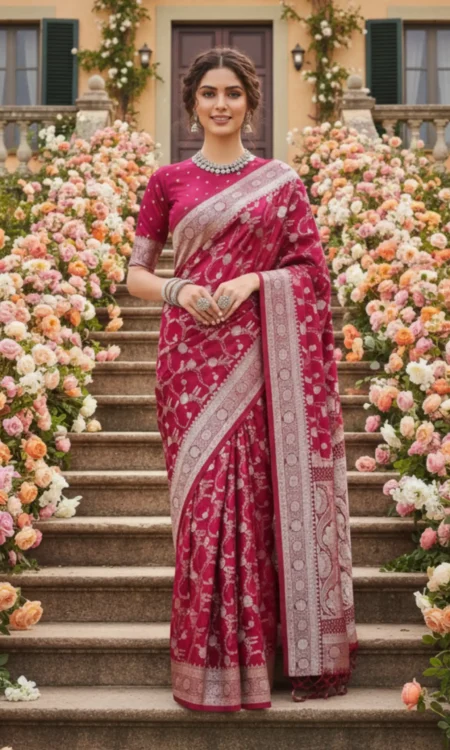
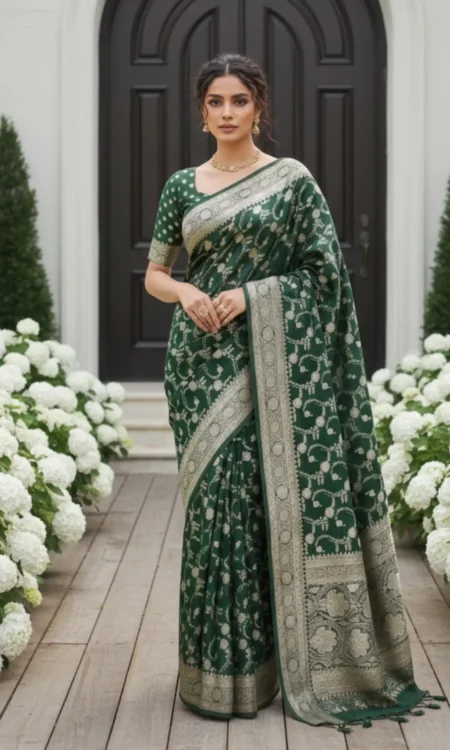
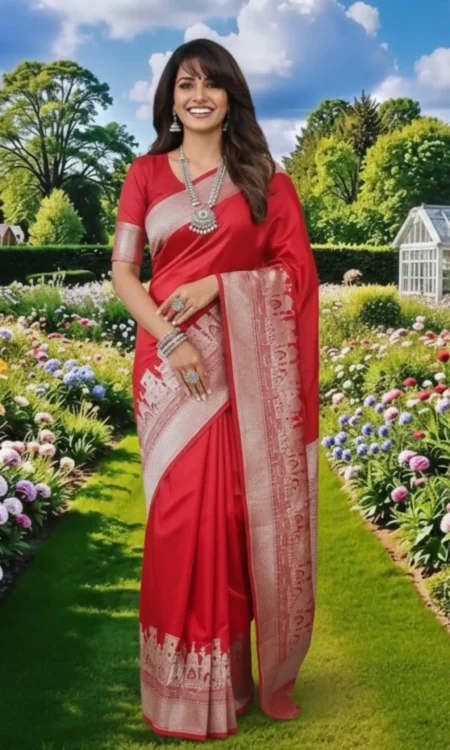
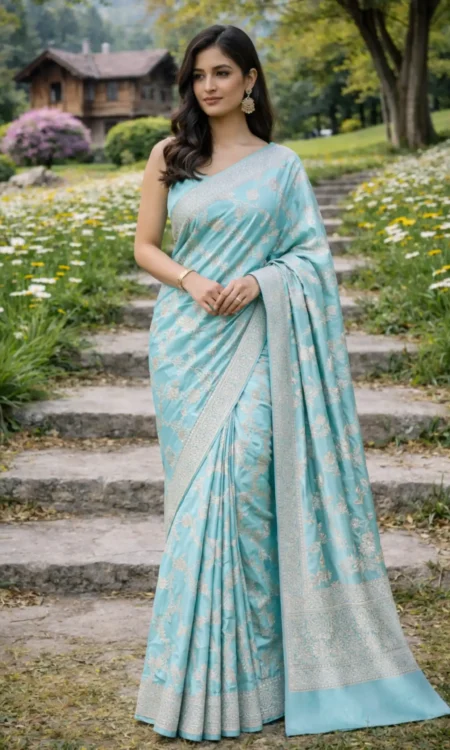
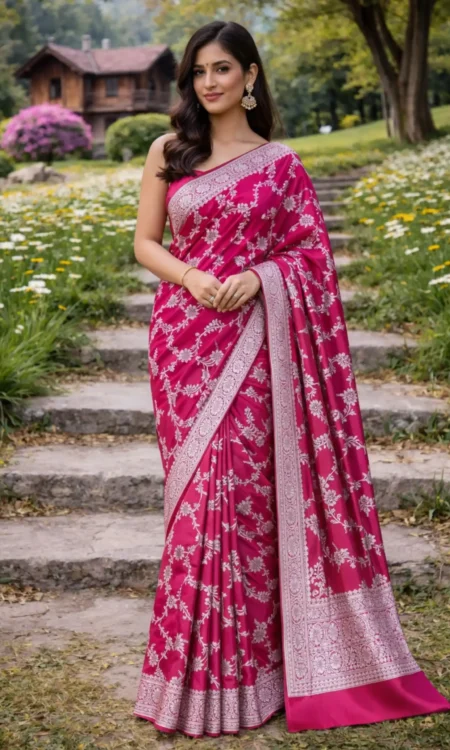
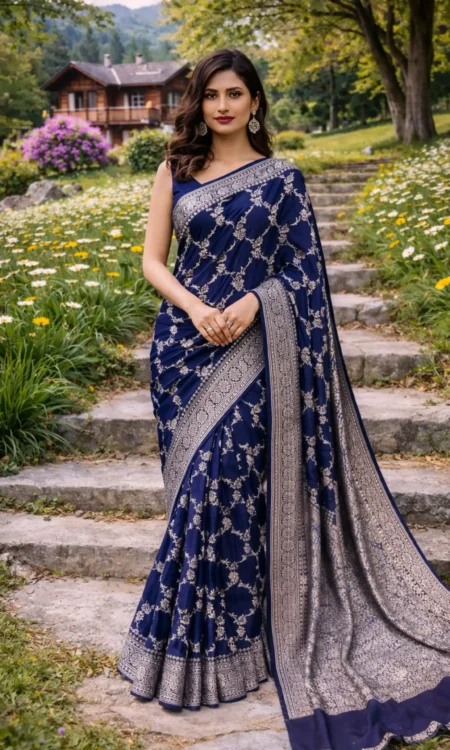
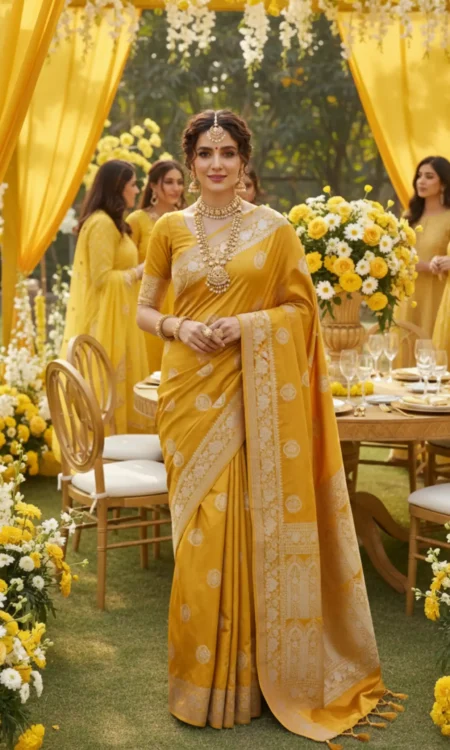
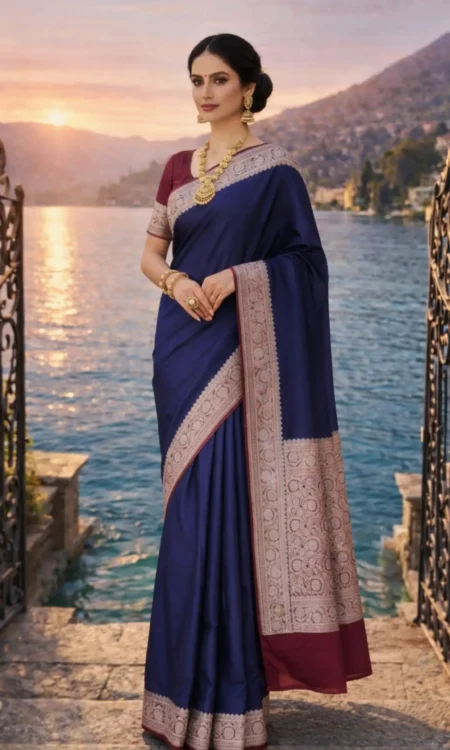
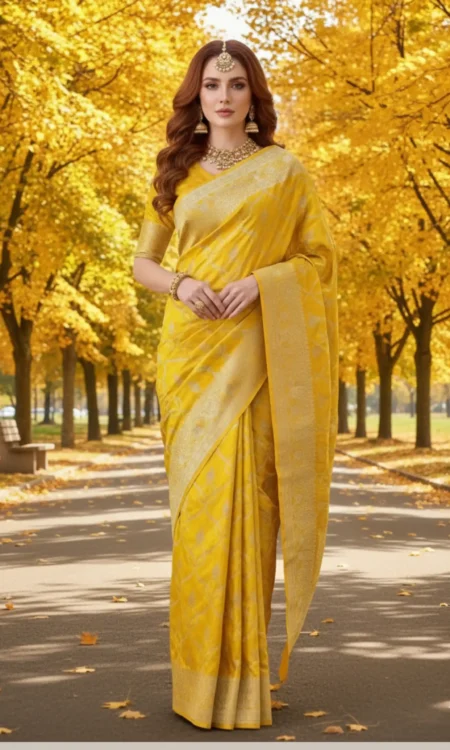
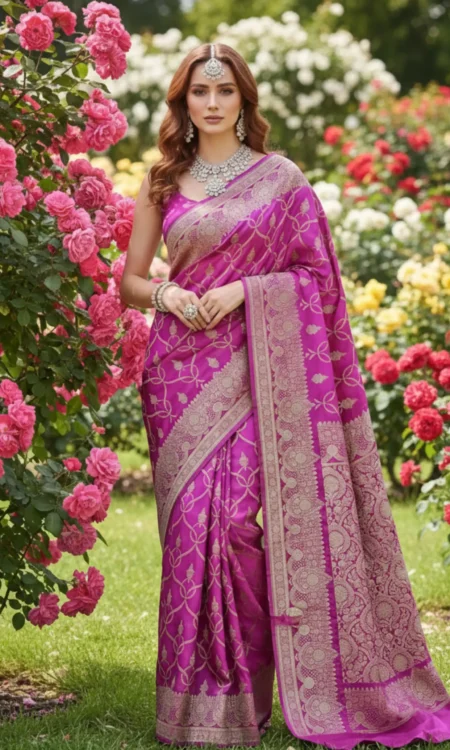
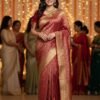
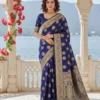
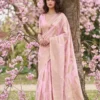
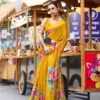
What Are Festive Sarees?
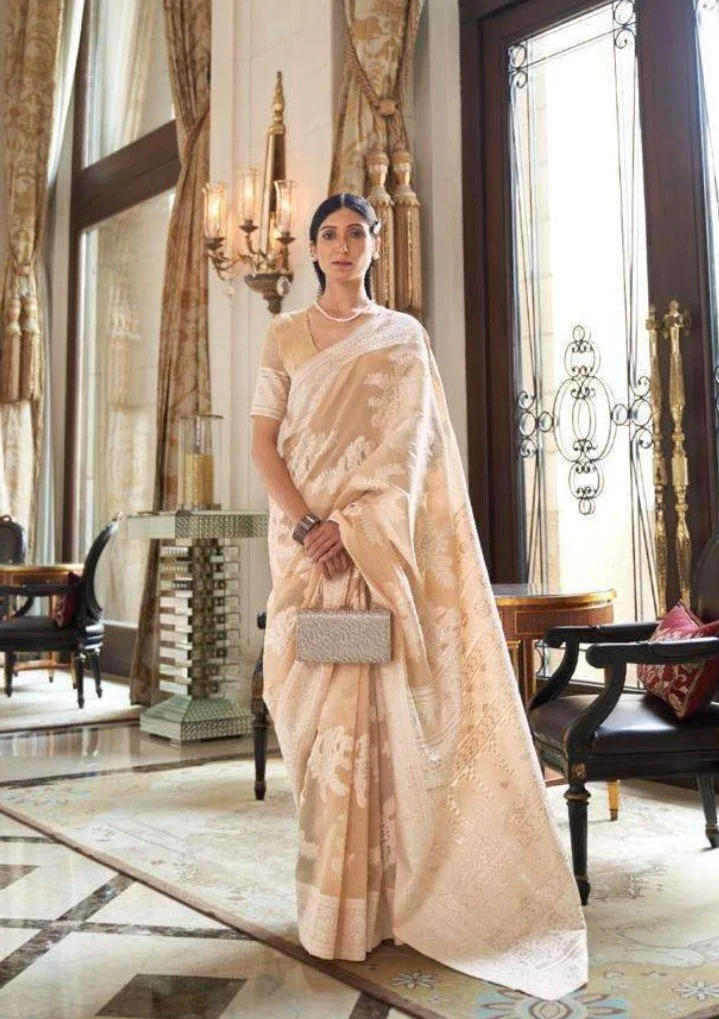
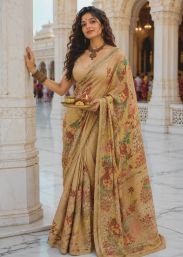
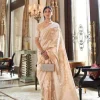
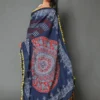
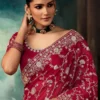
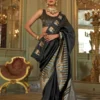
Festive sarees are sarees chosen for festivals and festive celebrations. They are an occasion-based category rather than a particular fabric, weave or regional style. A festive saree may be woven, embroidered, printed or embellished, and it can range from minimally decorated to richly detailed depending on the occasion and the product.
What makes a saree feel appropriate for a festive occasion is usually a combination of factors rather than one mandatory feature. Fabric, drape, color, border, pallu, blouse, zari, embroidery, motifs and embellishment can all influence the overall appearance and level of formality. Regional traditions and the particular celebration also matter.
That means a festive saree does not have to be heavily embellished or made from silk. A cotton saree can be suitable for a celebration, just as a printed saree can work for a festive occasion when its fabric, design, styling and formality suit the event.
Festive Sarees for Different Celebrations
The best saree depends on the festival, the cultural context and the kind of celebration you are attending. Indian festive dressing varies considerably by region, so these examples are best understood as context rather than fixed dress codes.
Diwali
Diwali has broad relevance across India and is associated with religious, family and social celebrations. Festive dressing can include rich silk, zari, woven and embroidered sarees, as well as lighter contemporary options. There is no single saree style that is required for Diwali, so consider the formality of the gathering, your preferred fabric and the overall styling you want.
Navratri
Navratri has strong regional variations. In Gujarat, particularly, community Garba celebrations have a strong association with traditional festive clothing, including chaniya choli. A saree can certainly be selected for a Navratri celebration, but it should not be presented as the universal or defining Gujarati Navratri outfit.
For a saree, consider movement, venue, event duration, fabric weight and styling alongside the visual character of the celebration.
Durga Puja
Durga Puja has a strong Bengali and West Bengal association and is also celebrated elsewhere. Sarees are highly relevant within Bengali cultural contexts, but there is no need to reduce Durga Puja dressing to one color, drape or saree type. Choose according to the particular celebration, regional context and your preferred styling.
Onam
Onam has one of the clearest documented regional relationships between festival dressing and sarees. Kerala Tourism associates Kerala sarees and Kasavu clothing with Onam and Vishu. For shoppers looking for a regionally connected festive look, the Kerala textile tradition provides an important reference point.
Pongal
Pongal is particularly relevant to South Indian festive traditions. Regional textile traditions associated with Pongal include saree and textile styles such as Mangalgiri and Kuppadam. The appropriate choice still depends on the specific event and the styling context.
Other Regional Celebrations
Festive saree choices can also be relevant to celebrations such as Gudi Padwa, Vishu, Ganesh Chaturthi, Ugadi, Makar Sankranti, Teej and Baisakhi. Their clothing traditions vary by region and community, so it is better to use the celebration as a starting point rather than assuming that one saree style applies everywhere.
Regional Festive Saree Traditions
There is no single formula for Indian festive dressing. Textile traditions, draping practices, colors and levels of formality vary between regions.
- North India: Banarasi, Chanderi, regional silk and cotton traditions, embroidered sarees and contemporary occasion styles can all contribute to festive dressing.
- South India: Kanjivaram/Kancheepuram, Kerala Kasavu, regional silks, Mangalgiri, Gadwal and Mysore Silk are important textile references for festive dressing in different contexts.
- East India: Baluchari, Bengal saree traditions, Jamdani-related traditions and regional cotton and silk textiles provide different approaches to festive dressing.
- West India: Paithani, Patola, Bandhani and other regional textiles can have strong festive or ceremonial associations.
- Central India: Chanderi and Maheshwari are important examples of regional textiles with documented use in festive and ceremonial contexts.
- Northeast India: Festive clothing includes regional textiles and garments that extend beyond a conventional saree-focused framework.
These examples should be treated as regional references rather than universal Indian dress rules.
Fabrics and Textiles for Festive Sarees
A festive saree can be made from different fabrics and textile traditions. The collection itself demonstrates this breadth, so choosing by occasion and product characteristics is more useful than assuming that festive means silk.
Silk Sarees
Silk is one of the established choices for festive dressing, with different regional silk traditions offering different textures, structures, sheens and levels of formality. Kanjivaram silk and Banarasi silk, for example, can provide a richer, more structured appearance, while other silk types offer different visual and draping characteristics.
Look at the individual product specification rather than assuming that every saree described as silk has the same material or construction.
Chanderi
Chanderi is known for a fine, lightweight character and can work well when you want a festive saree with a lighter visual presence. The collection includes Chanderi styles alongside richer textiles.
Cotton
Cotton should not automatically be classified as casual. Its festive suitability depends on the specific weave, design, color, border, styling and occasion. Cotton can be a useful choice when you want a more understated festive look or when the particular regional textile tradition makes it appropriate.
Banarasi
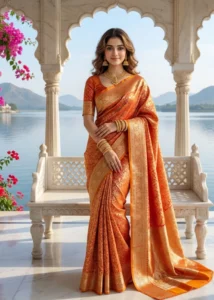
Banarasi sarees from Varanasi are associated with brocade and zari weaving traditions and can have strong festive relevance. The Sarees By Muhurat collection includes several Banarasi variations, including katan silk, Mashru Banarasi, zari Banarasi, Banarasi jaal, embroidered and printed examples.
Kanjivaram
Kanjivaram/Kancheepuram sarees are associated with Tamil Nadu's silk tradition and are particularly relevant to formal and festive dressing. The collection includes Kanjivaram styles in several colors and designs, including temple-border examples.
Other Textile Options
Depending on the individual product, festive dressing can also include Paithani, Paithani-inspired styles, Maheshwari, Patola, Gadwal, Sambalpuri, Baluchari, Muga, Jamdani, Kota Doria, Tussar and raw silk. These textiles have different regional identities and characteristics, so the product description should remain the primary source for material and construction details.
Lightweight Festive Sarees
A lighter saree can be a useful option for a long celebration, daytime event or shopper who prefers less visual or physical weight. But lightweight should not automatically be treated as synonymous with comfortable.
When comparing lighter festive sarees, check:
- Actual fabric
- Weave or construction
- Saree weight where provided
- Embellishment
- Border
- Pallu
- Event duration
- Venue
- Styling requirements
The collection includes lighter-looking options alongside richer silk and embroidered sarees, giving shoppers room to choose according to the event rather than following a single festive formula.
Colors, Zari, Motifs and Embellishment
Festive Saree Colors
Festive fashion offers a broad color range rather than one universally correct shade. The collection and current festive fashion landscape include colors such as red, maroon, green, mustard, yellow, orange, pink, magenta, purple, blue, royal blue, gold, silver, cream, ivory, white, pastels and wine.
Color associations can vary by region and festival. A contemporary festive choice does not necessarily follow a traditional color convention, so consider the celebration, textile, blouse, jewelry and your personal preference together.
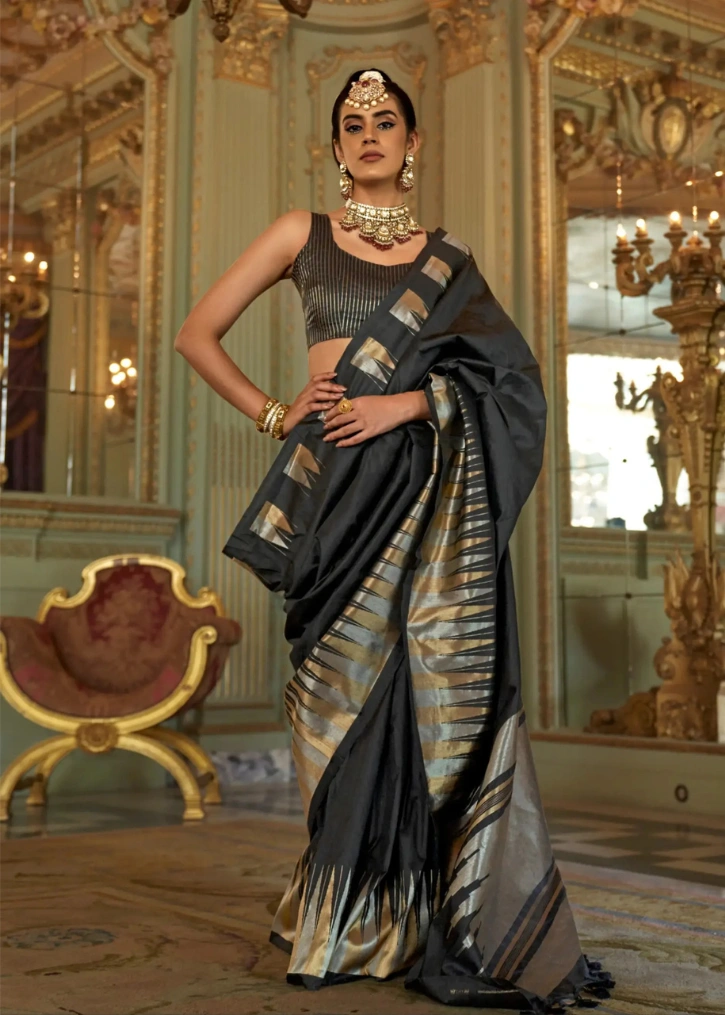
Zari
Zari is an important visual feature in many festive sarees. Depending on the textile and product, it may appear in borders, pallus, brocade designs or other woven details.
Zari can influence sheen, contrast, visual richness and perceived formality. However, more zari does not automatically mean better quality. The appropriate amount depends on the occasion and the look you prefer.
Motifs
Festive sarees may feature floral, paisley, peacock, lotus, geometric, nature-inspired, temple-inspired, regional or narrative motifs. Their meaning and design vocabulary depend on the particular textile tradition, so generic symbolism should not be assigned automatically to every motif.
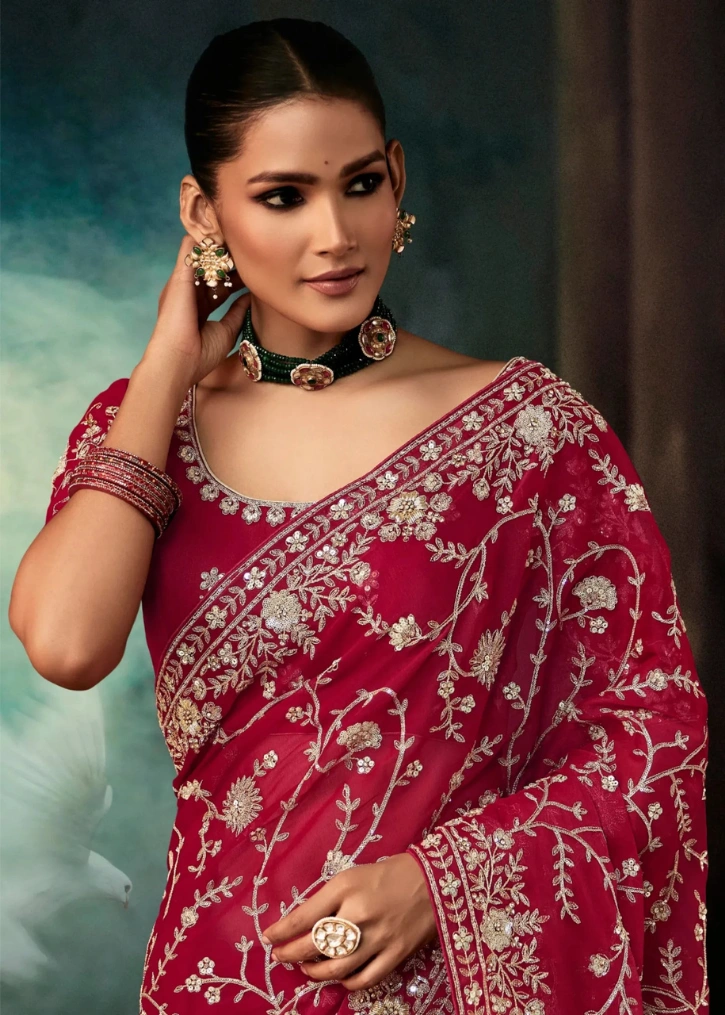
Embroidery and Embellishment
The collection includes embroidered sarees, tissue embroidered sarees, embellished borders, handwork and embroidered Banarasi styles. Individual products may also feature threadwork, sequins, stones, beads, zari or other decorative treatments.
When comparing products, consider whether you want restrained detailing or a more decorative appearance. Do not assume that embroidery described on a product page is necessarily hand embroidery unless the product information specifically establishes it.
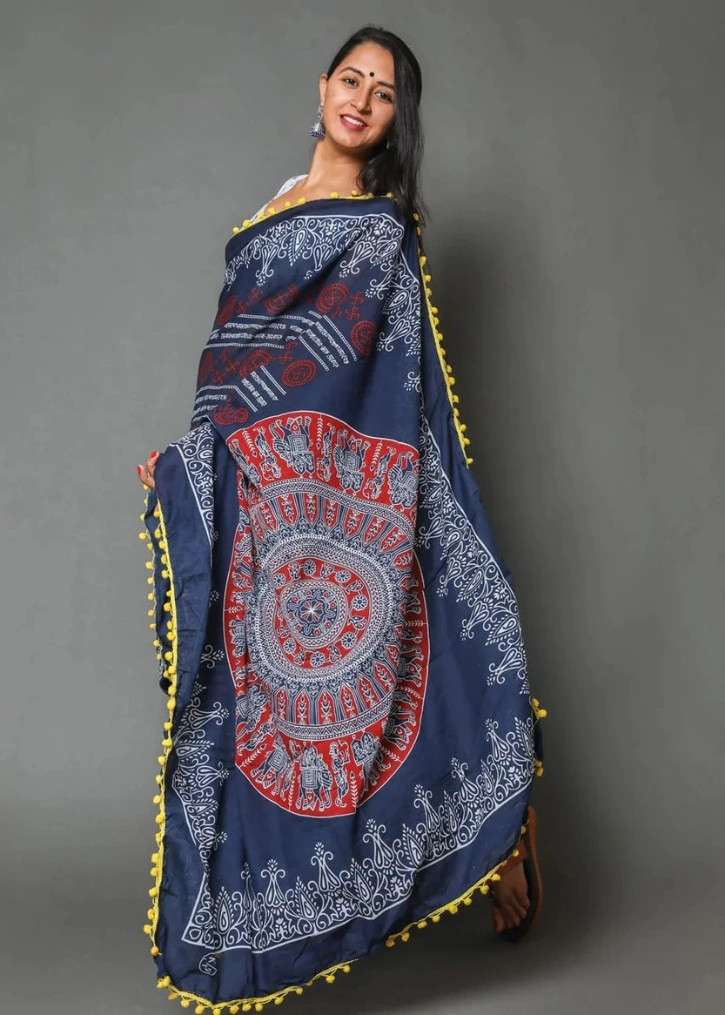
Printed Festive Sarees
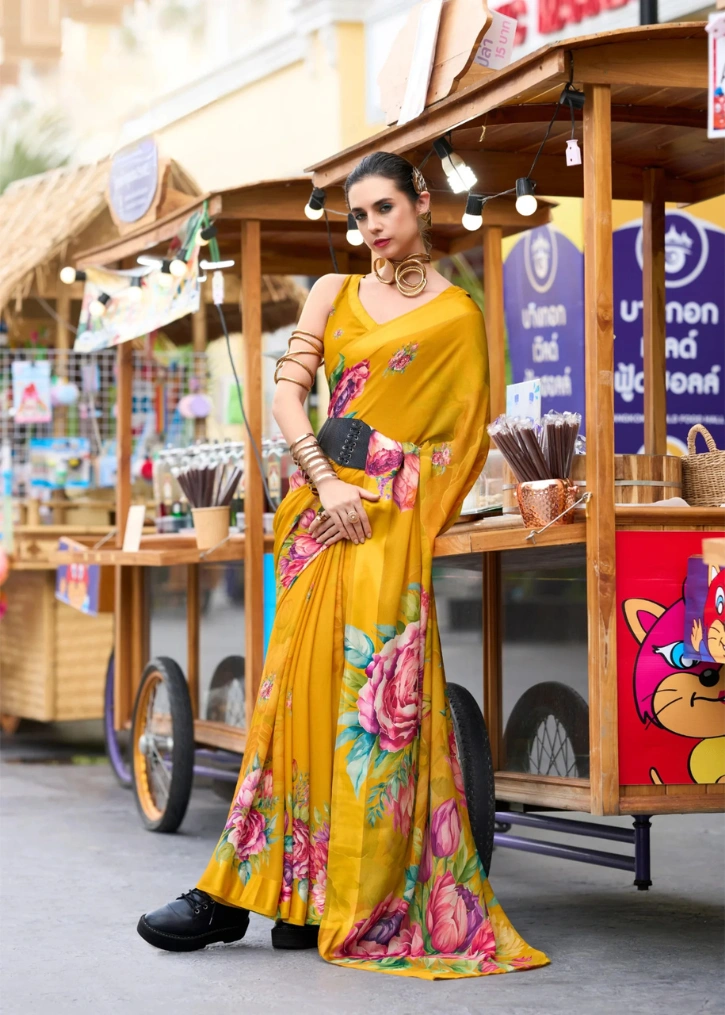
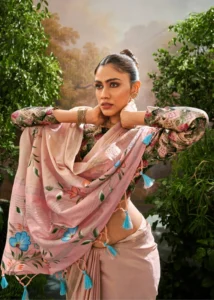
Printed sarees can also work for festive occasions. Floral, block, traditional and contemporary prints can be suitable when the fabric, design, styling and formality match the celebration.
Printed does not automatically mean casual.
How Woven, Embroidered and Printed Sarees Differ
| Type |
How the design is created |
Visual character |
Festive use |
| Woven |
Design integrated into textile construction |
Patterned, structured or heritage-oriented |
Very high in relevant textile traditions |
| Embroidered |
Decorative stitching added to the fabric |
Textured and detailed |
High |
| Printed |
Design applied through printing |
Graphic, floral, contemporary or traditional |
Moderate to high |
| Embellished |
Decorative materials or techniques added |
Sparkle, texture or statement detailing |
High |
The distinction matters because festive describes the occasion, not the manufacturing technique.
How to Choose a Festive Saree
Instead of choosing only by color or appearance, work through the following checklist:
1. Start with the celebration
Is it Diwali, Onam, Durga Puja, Pongal, Navratri, a family celebration or another cultural event?
2. Consider the regional context
If the celebration has a strong regional textile or clothing tradition, decide whether you want to reflect that tradition.
3. Decide between daytime and evening
For daytime events, you may prefer lighter visual weight, softer colors, moderate embellishment or lighter constructions.
For evening events, stronger contrast, richer colors, zari, metallic details or more pronounced embellishment may suit your preferred styling.
These are styling considerations rather than fixed cultural rules.
4. Decide the level of formality
A simple family gathering does not require the same level of decoration as a large formal celebration.
5. Choose traditional or contemporary styling
A regional textile can be paired with a conventional blouse and jewelry, or styled with a modern blouse, contemporary accessories or a more minimalist approach.
6. Compare fabrics
Consider silk, cotton, Chanderi, organza, tissue, georgette, chiffon, Tussar, raw silk and other product-supported options according to their actual characteristics.
7. Compare textile traditions
Banarasi, Kanjivaram, Chanderi, Paithani and other textiles offer different visual and cultural identities.
8. Consider zari and embellishment
Decide whether you prefer subtle detailing or a more decorative saree.
9. Look at the border and pallu
Border width, contrast, zari, embroidery and pallu design can significantly change the overall appearance.
10. Check the blouse
Confirm whether a blouse piece is included and consider whether the supplied blouse or a coordinated blouse will work with your intended styling.
11. Coordinate jewelry
Match jewelry to the saree's color, textile character, zari and formality rather than following a single universal rule.
12. Check care requirements
Before purchasing, review the material, embellishment and product-specific care instructions.
13. Check product specifications
Pay attention to:
- Material
- Length
- Weight, where provided
- Blouse piece
- Border and pallu details
- Embellishment
- Care instructions
- Availability
These product-level details are more reliable for purchasing decisions than assumptions based on the collection category alone.
How to Style a Festive Saree
Festive styling can move from traditional to contemporary depending on the saree and the occasion.
Blouse
Options include:
- Matching blouse
- Contrast blouse
- Zari blouse
- Brocade blouse
- Embroidered blouse
- Printed blouse
- Structured blouse
- Contemporary blouse
- Traditional blouse
The goal is coordination between the saree, blouse and occasion rather than applying a fixed styling formula.
Jewelry
- Gold jewelry can coordinate naturally with many gold-zari and traditional silk looks.
- Silver jewelry can complement silver zari, cooler colors and contemporary styling.
- Temple jewelry can be relevant in particular South Indian and traditional contexts.
- Kundan or Polki can suit richer formal festive styling.
- Pearls can work with softer, refined combinations.
- Contemporary jewelry can suit minimalist or modern festive looks.
The most useful rule is to coordinate jewelry with the saree's color, zari, textile character and formality.
Footwear and Accessories
Depending on the occasion, consider juttis, heels, flats or other traditional footwear. Clutches, potlis and contemporary bags can also be coordinated with the saree and jewelry.
For longer celebrations, practicality matters alongside appearance.
Draping
Common draping approaches include Nivi, Bengali, Gujarati, Maharashtrian, South Indian and contemporary drapes. Regional drapes should be understood in their cultural context rather than automatically described as festival-specific.
For example, Gujarati Navratri dressing has a strong chaniya choli tradition, so a Gujarati festive context should not be reduced to a saree-draping rule.
Festive Sarees vs Wedding, Bridal, Party Wear and Traditional Sarees
- Festive Sarees vs Wedding Sarees: Festive sarees are centered on festivals and festive celebrations. Wedding sarees are centered on wedding ceremonies and wedding-related celebrations.
- Festive Sarees vs Bridal Sarees: Bridal sarees are primarily selected for the bride and her principal wedding looks, while festive sarees serve a broader range of festival and celebration contexts.
- Festive Sarees vs Party Wear Sarees: Festive sarees are connected specifically to festivals and festive celebrations. Party wear sarees address a broader range of social occasions, dinners and parties. A saree can overlap both categories when the occasion and design support both uses.
- Festive Sarees vs Traditional Sarees: Festive describes the occasion. Traditional can describe a textile, technique, regional heritage, design language or styling approach. A saree can therefore be both festive and traditional.
- Festive Sarees vs Casual Sarees: Festive sarees are occasion-oriented, while casual sarees are generally selected for everyday or relaxed use. However, cotton or lightweight sarees are not automatically casual; their suitability depends on design, textile, styling and occasion.
Festive Saree Quality, Authenticity and Care
What to Check for Quality
When comparing festive sarees, look beyond the product photograph and review the available specifications.
Consider:
- Fabric and material
- Weave or construction
- Zari details
- Embroidery
- Embellishment
- Border
- Pallu
- Blouse inclusion
- Stitching
- Finishing
- Fall and pico, where provided
- Edge treatment
- Overall consistency
A photograph can help you assess visible appearance and finishing, but it should not be treated as definitive proof of handloom status, GI authorization, pure silk, artisan provenance or other high-risk authenticity claims.
Understanding Authenticity Claims
Terms such as pure silk, handloom, handwoven, handmade, artisan-made, Banarasi, Kanjivaram, GI, gold zari and pure zari require product- or source-level evidence.
A textile may have a registered GI without an individual product automatically being GI-authorized. Similarly, a product's appearance alone does not establish its production method or material composition.
For that reason, check the individual product description and specifications before relying on a material, craftsmanship or provenance claim.
Price and Value
Price can be influenced by factors such as fabric, weaving complexity, zari, embroidery, embellishment, craftsmanship, handloom production, design complexity and brand positioning. A higher price should not automatically be treated as proof of superior quality.
Festive Saree Care
Care depends on the actual fabric, construction, zari, embroidery and embellishment. Before washing, ironing, steaming or storing a saree, follow the care instructions provided for that particular product.
Depending on the textile and decoration, shoppers may need to consider:
- Washing method
- Dry cleaning where specified
- Drying method
- Ironing or steaming temperature
- Folding
- Storage
- Humidity
- Prolonged light exposure
Always prioritize the product-specific care instructions over a generic care rule.
Frequently Asked Questions
What are festive sarees?
Festive sarees are sarees selected for festivals, cultural celebrations, family festivities and other celebratory occasions. They are an occasion-based category rather than a specific fabric or weave, so they can include silk, cotton, Banarasi, Kanjivaram, Chanderi, embroidered, woven, printed and embellished styles.
What makes a saree suitable for a festival?
Festive suitability depends on the occasion, regional context, fabric, drape, color, border, pallu, blouse, zari, embroidery, motifs, embellishment and desired level of formality. There is no single feature that every festive saree must have.
Which saree should I wear for Diwali?
There is no single required Diwali saree. Rich silk, zari, woven and embroidered sarees can suit more formal celebrations, while lighter or contemporary styles may suit other gatherings. Choose according to the event, venue, formality and your preferred styling.
Which saree is suitable for Onam?
In Kerala and Malayali cultural contexts, Kasavu and Kerala saree traditions have a strong association with Onam. The appropriate choice can still vary according to the event and individual styling preference.
Which saree can I wear for Durga Puja?
Sarees are highly relevant in Bengali cultural contexts during Durga Puja, but there is no requirement to choose one particular color, drape or textile. Consider the specific celebration and your preferred regional or contemporary styling.
Which saree is suitable for Pongal?
Pongal has strong South Indian regional relevance, with textile traditions including Mangalgiri and Kuppadam referenced in relation to Pongal dressing. Your choice can vary according to the specific celebration and regional context.
Are silk sarees suitable for festive occasions?
Yes. Silk is one of the established choices for festive dressing, but it is not the only suitable option. The collection also includes lighter fabrics and other textile styles, so the right choice depends on the occasion and the product.
Are cotton sarees suitable for festivals?
Yes, depending on the particular saree. Cotton should not automatically be classified as casual; its festive suitability depends on the textile, design, color, border, styling and occasion.
Which fabric is best for festive sarees?
There is no universally best fabric. Silk can provide a richer and more structured appearance, while Chanderi, cotton, organza, tissue, georgette and other fabrics offer different weights, textures, sheens and drapes. Choose according to the celebration and the characteristics you prefer.
What colors work well for festive sarees?
Festive sarees can be found in rich reds, maroons, greens, yellows, pinks, magentas, purples, blues, metallic shades, creams, ivory, white and pastels. Color preferences vary by festival, region and personal style, so there is no universally correct festive color.
Can I wear a printed saree for a festival?
Yes. Printed sarees can be suitable when the fabric, print, styling and formality fit the celebration. Printed does not automatically mean casual.
What jewelry goes with a festive saree?
Choose jewelry according to the saree's color, zari, textile character and formality. Gold, silver, temple jewelry, Kundan, Polki, pearls and contemporary jewelry can all work in different combinations.
What blouse should I wear with a festive saree?
A matching, contrast, zari, brocade, embroidered, printed, structured, traditional or contemporary blouse can work depending on the saree and occasion. Check whether the product includes a blouse piece before planning the final styling.
How are festive sarees different from wedding sarees?
Festive sarees are selected primarily for festivals and festive celebrations. Wedding sarees are selected for wedding ceremonies and wedding-related functions. There can be overlap, but the primary occasion intent is different.
How are festive sarees different from party wear sarees?
Festive sarees are connected to festivals and festive celebrations, while party wear sarees cover a broader range of parties and social occasions. A particular saree may suit both depending on its design and the event.
How do I choose a festive saree?
Start with the celebration and regional context, then consider day or evening, formality, traditional or contemporary styling, fabric, textile, weight, color, zari, embroidery, print, border, pallu, blouse, jewelry, budget and care requirements. Finally, verify the individual product specifications before purchasing.
How do I check the fabric and craftsmanship of a festive saree?
Review the product's stated material, weave or construction, zari, embroidery, embellishment, border, pallu, blouse, stitching and finishing. Do not use photographs alone as definitive proof of handloom, GI status, pure silk or artisan provenance.
How should I care for a silk or embellished festive saree?
Follow the individual product's care instructions because silk, zari, embroidery and embellishments can require different handling. Check washing, dry cleaning, drying, ironing or steaming, folding and storage instructions before care.
Explore Related Saree Collections
If your occasion or styling preference extends beyond festive dressing, explore related collections: