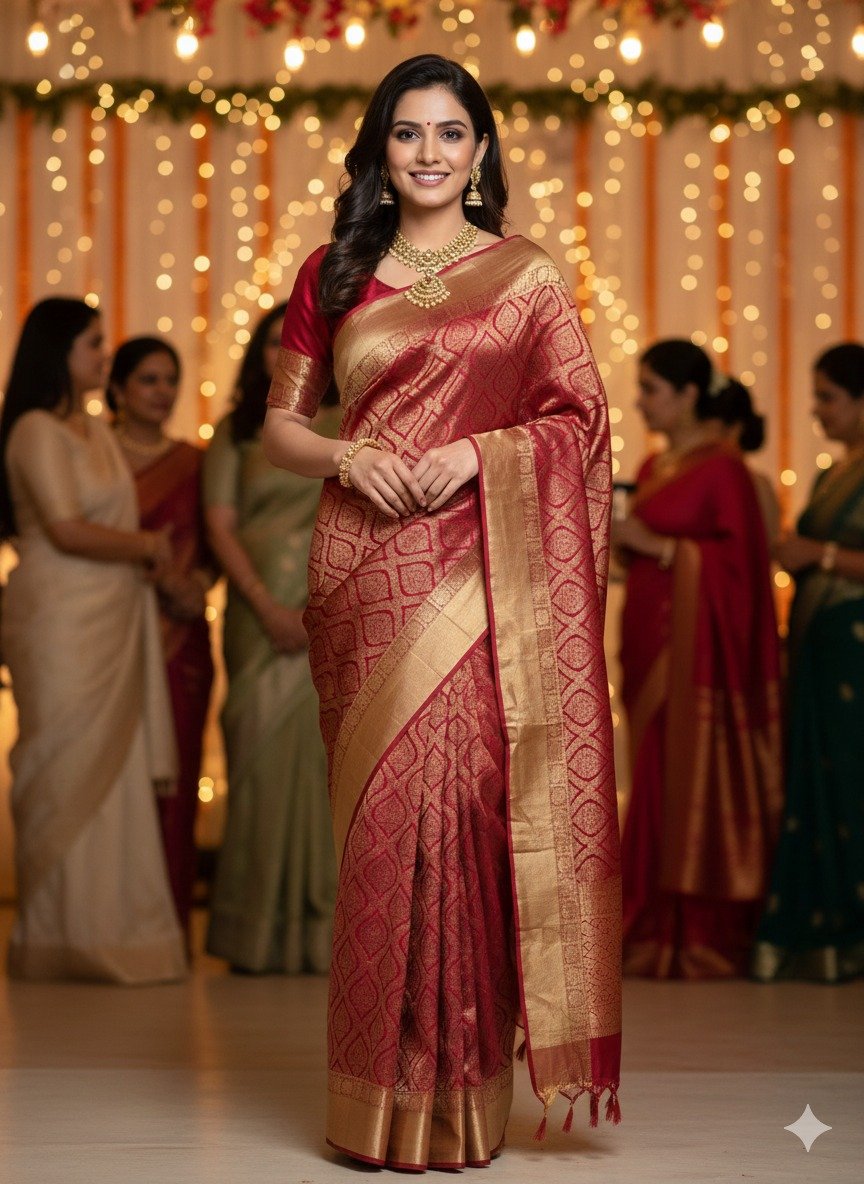
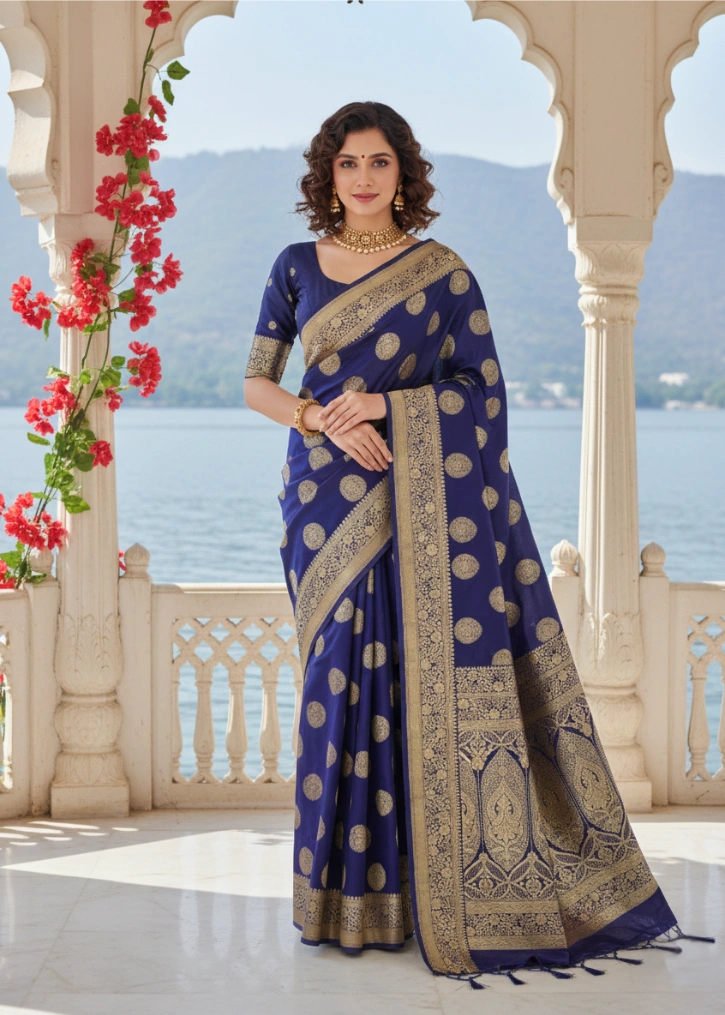
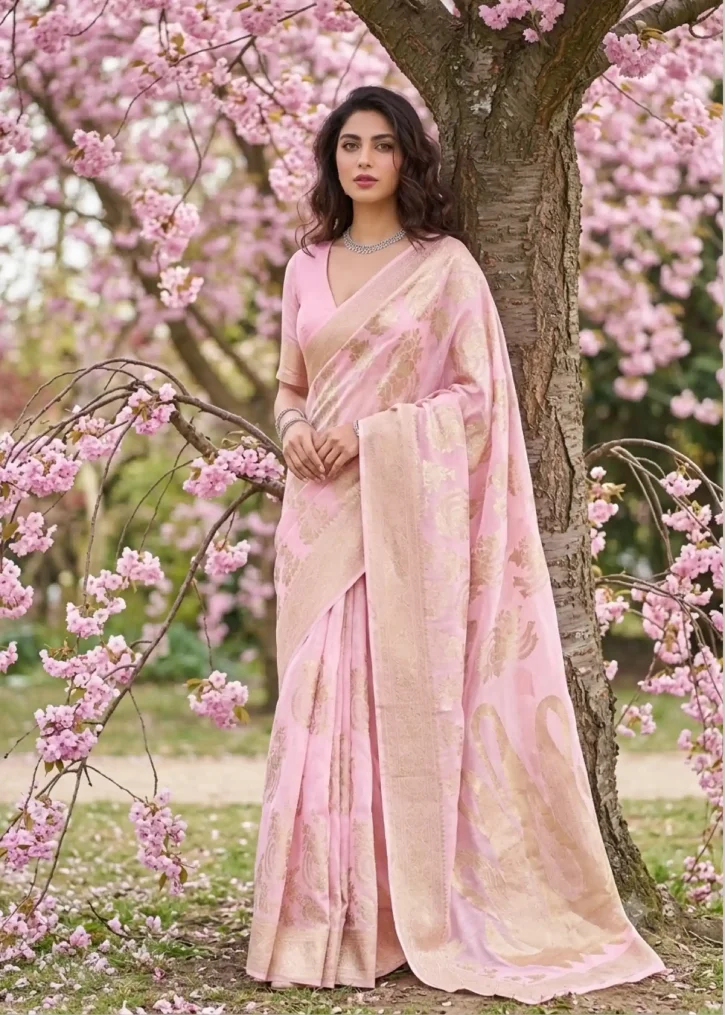
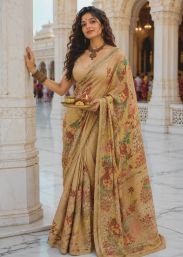
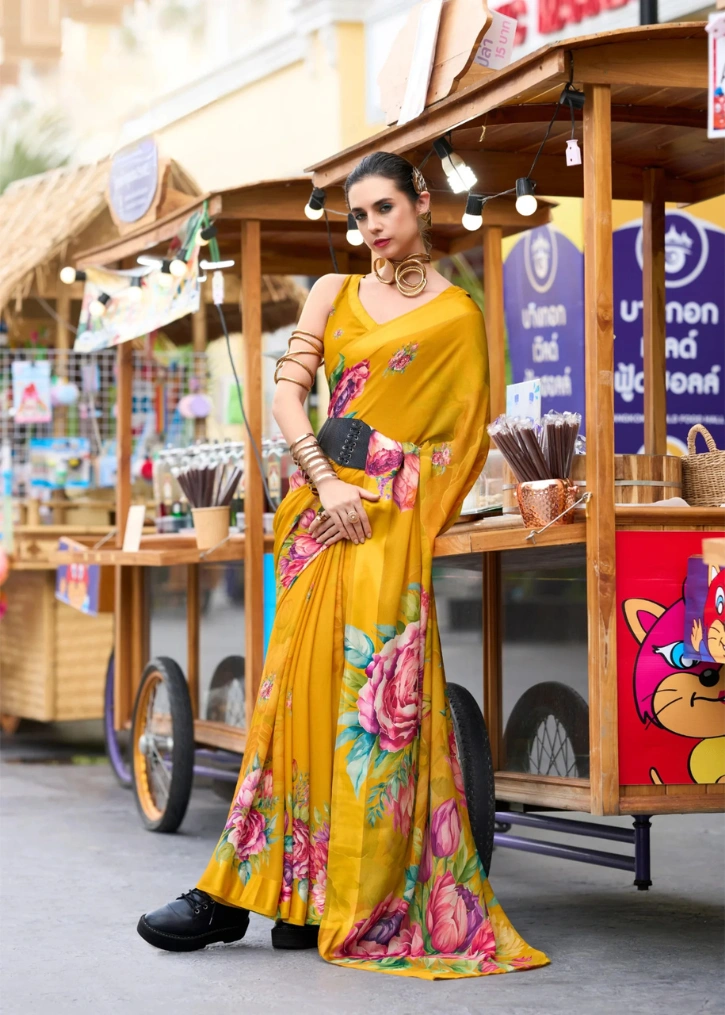
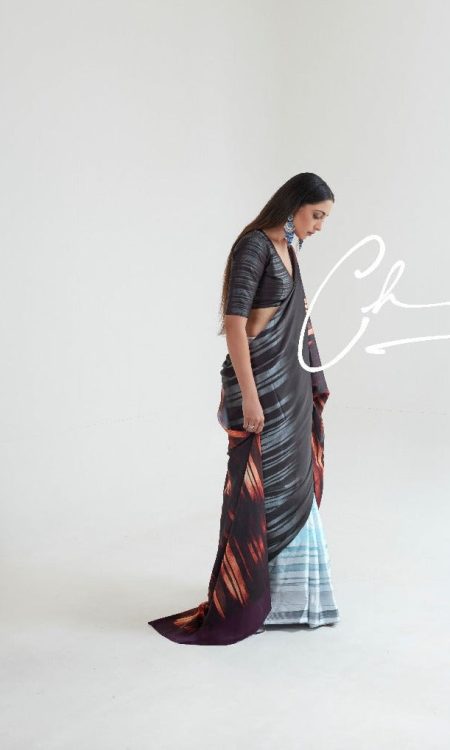
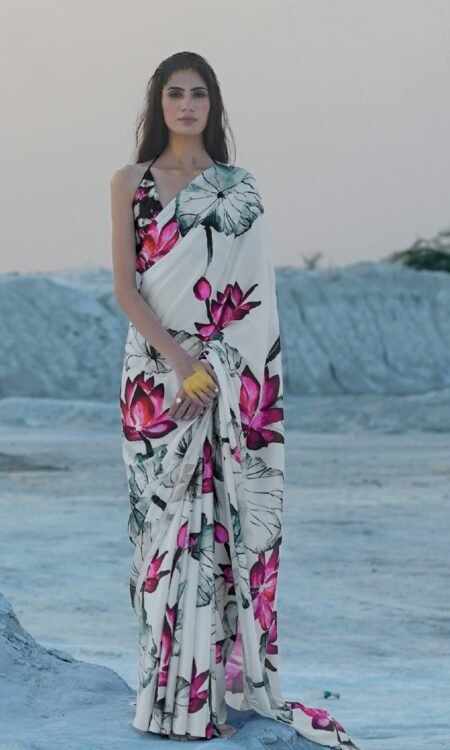
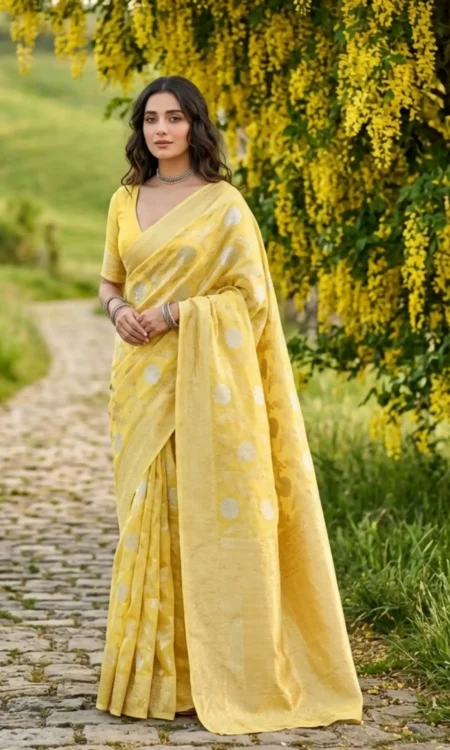
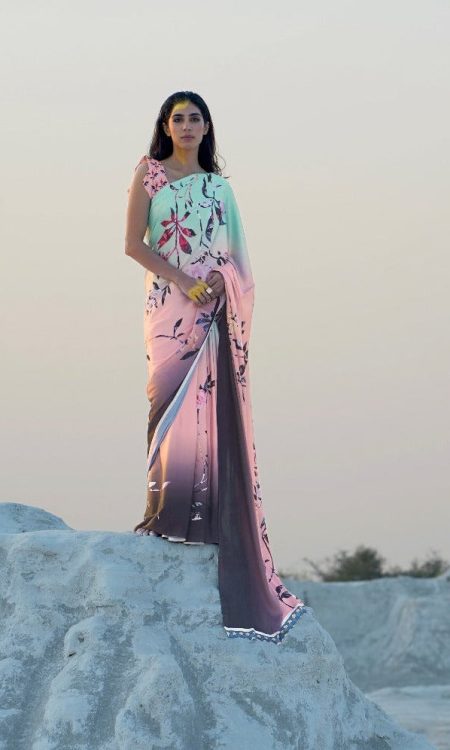
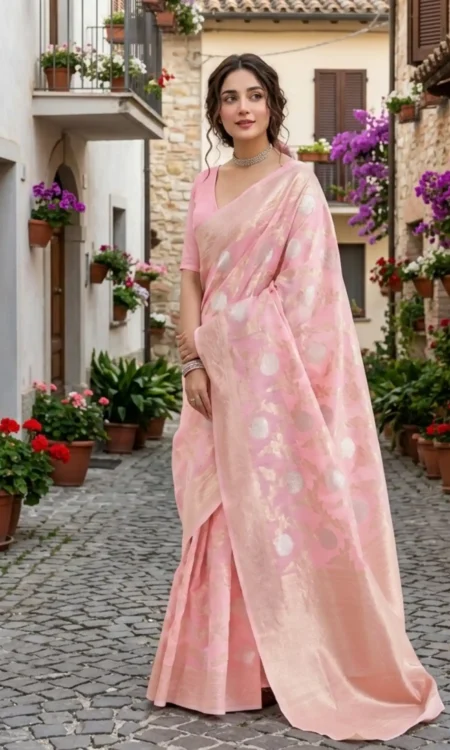
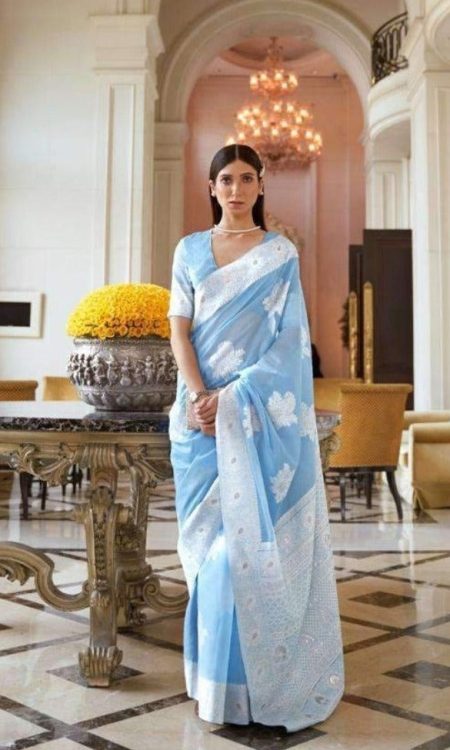
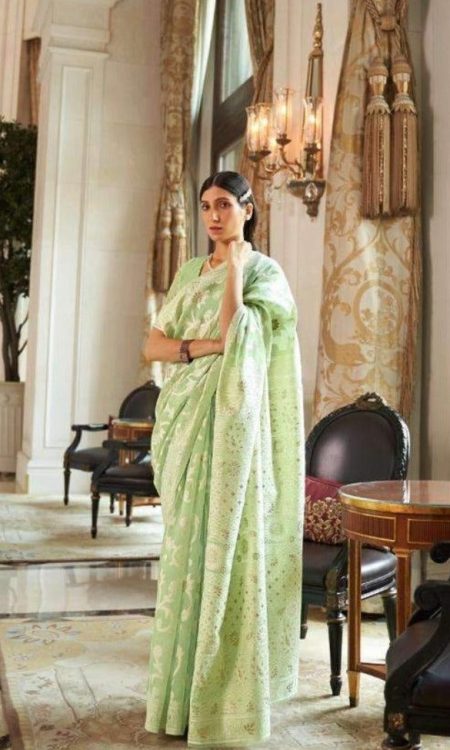
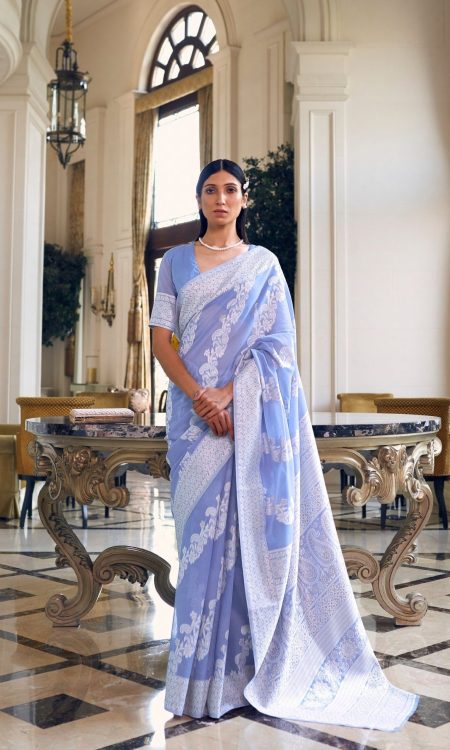
Office Wear Sarees
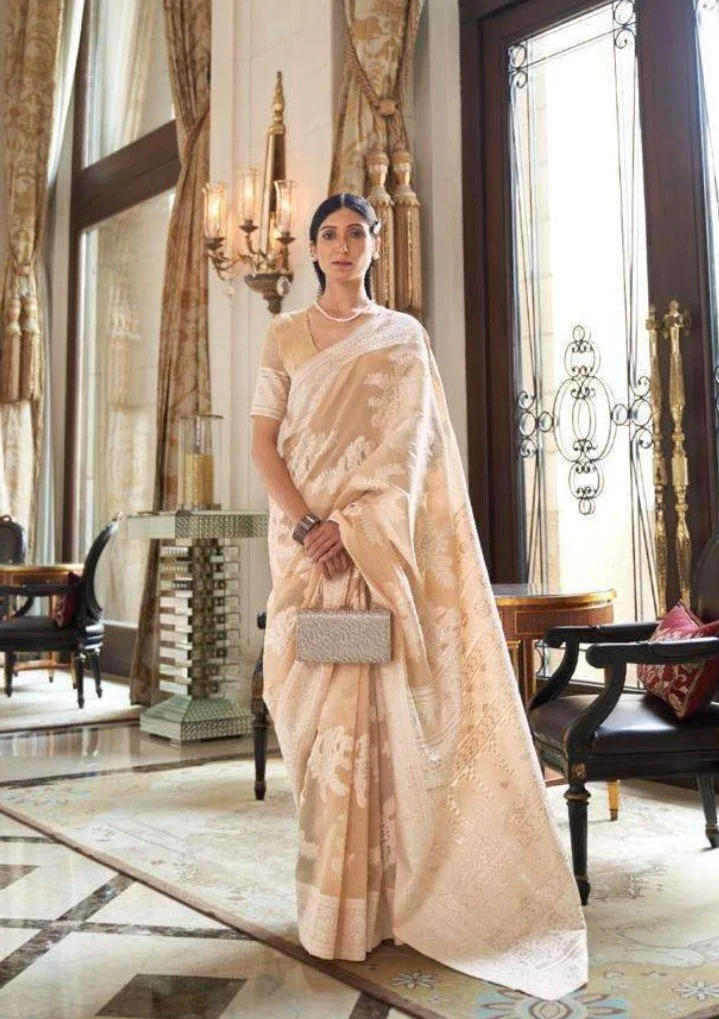
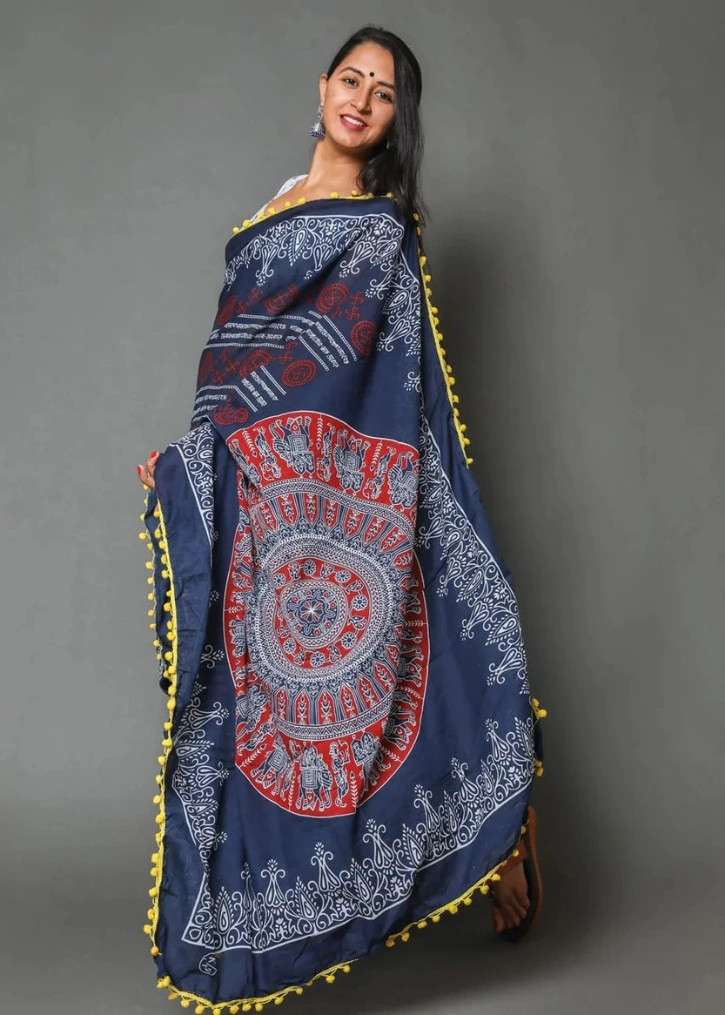
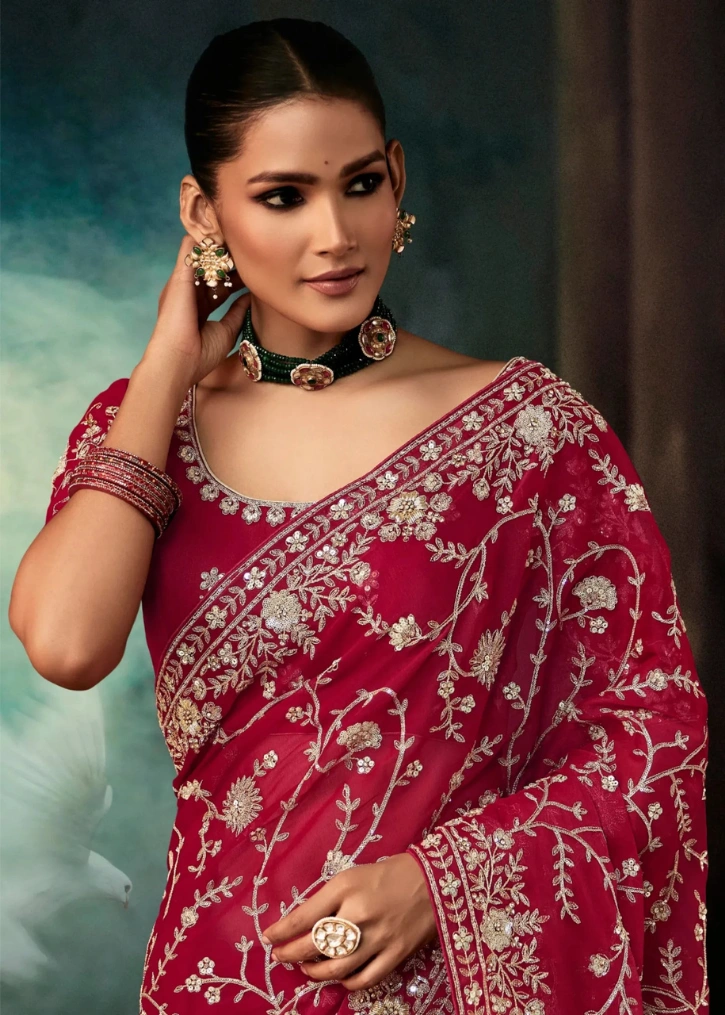
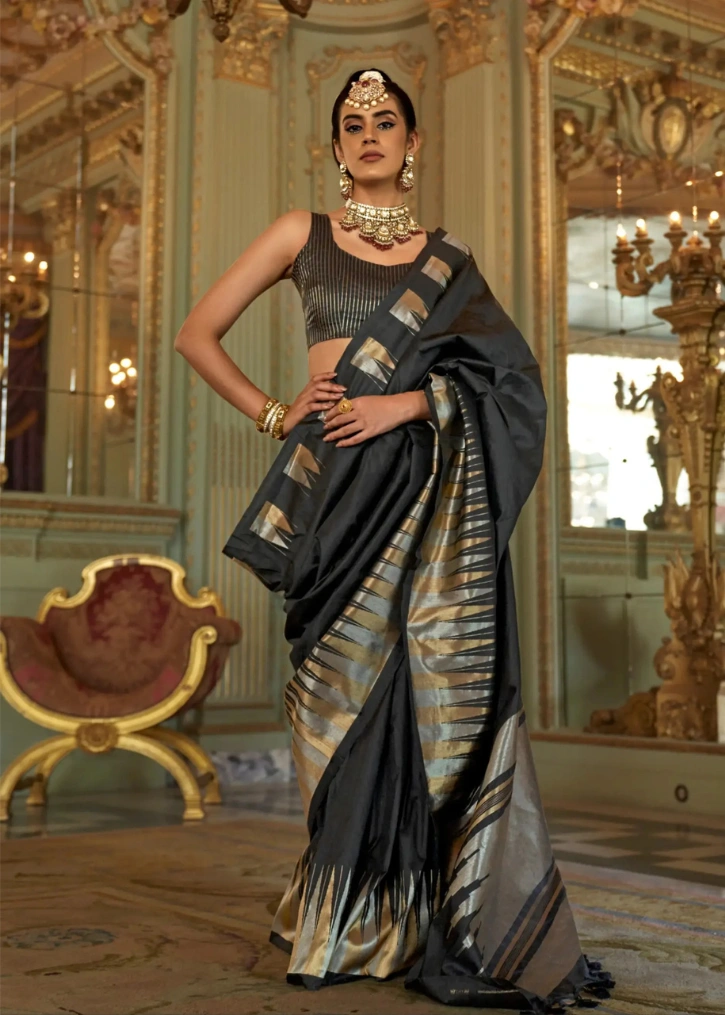
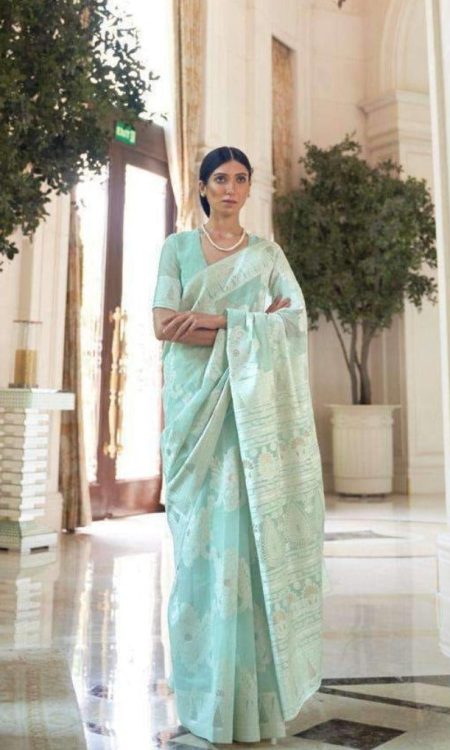
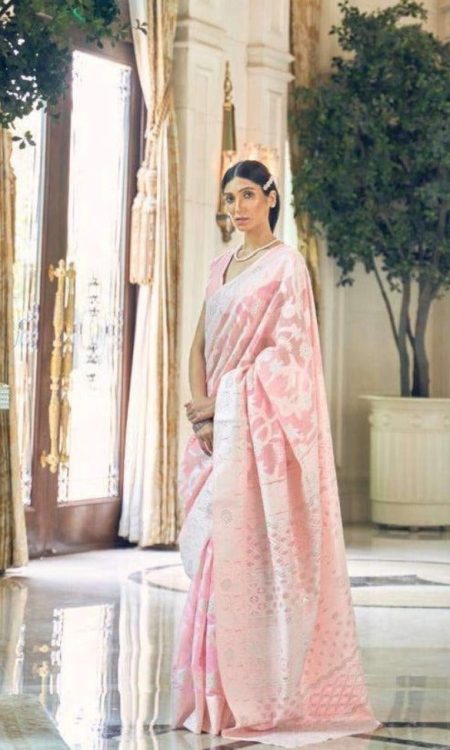
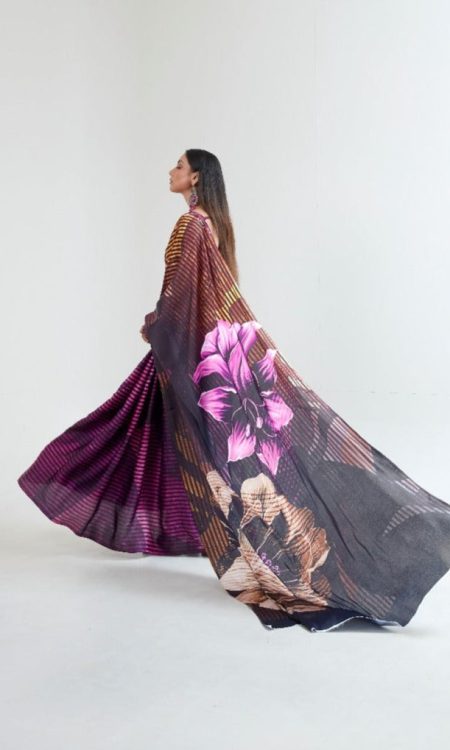
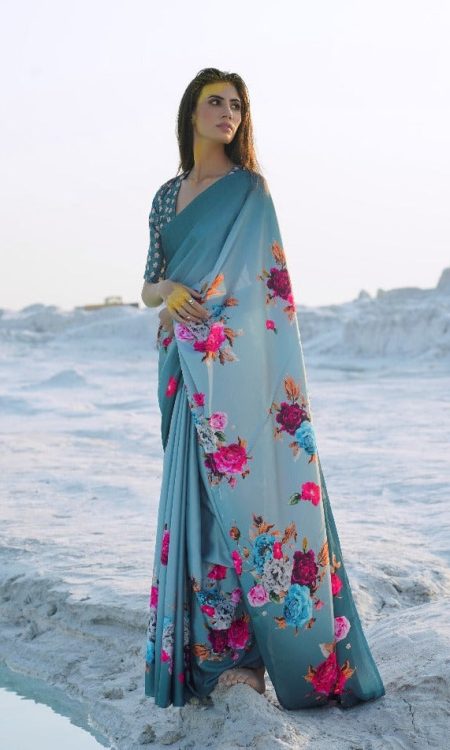
Discover office wear sarees selected for professional and workplace dressing, with styles that balance practical wearability and individual style. The current collection focuses primarily on printed cotton sarees, with a chiffon option, giving shoppers a choice of floral, geometric, graphic and contemporary print-led designs. When choosing a saree for work, consider more than the fabric alone: workplace expectations, formality, weight, drape, colour, print intensity, border, pallu and overall styling can all influence suitability. Explore the collection to find an office saree that fits your work environment, routine and personal preferences.
What Are Office Wear Sarees?
Office wear sarees are sarees selected for professional or workplace settings. Their suitability is influenced by the workplace dress code, level of formality, fabric, drape, visual detail, colour, embellishment and overall styling.
There is no single universal definition of an office-appropriate saree. A conservative workplace, corporate office, creative environment and client-facing role may each have different expectations.
That means an office saree does not have to be defined by one fabric, one colour or one style of design. A printed cotton saree, for example, may work well in one professional environment while a more formal silk or handloom saree may be appropriate in another, depending on its construction and the workplace context.
What Makes a Saree Suitable for Office Wear?
Think of office suitability as a combination of factors rather than a pass-or-fail test.
- Workplace formality: Start with your employer's expectations, industry and organisational culture.
- Fabric: Fabric influences the saree's texture, drape, weight, sheen and care requirements.
- Weight: A saree's actual construction and weight can affect how practical it feels during commuting, movement and a full working day.
- Drape: Controlled pleats and a secure pallu can make movement easier, although the best drape depends on personal preference and workplace environment.
- Colour: Colour contributes to the overall visual impression, but there is no universal rule that office sarees must be dark or neutral.
- Print: Prints can be appropriate for professional dressing. Scale, contrast, colour and overall composition can influence whether a particular design feels more restrained or expressive.
- Border and pallu: The width, contrast and decorative detail of these elements can increase or reduce visual emphasis.
- Embellishment and zari: Metallic or decorative details can contribute to formality, but their presence alone does not determine whether a saree is suitable for work.
- Blouse and accessories: The blouse, jewellery and footwear complete the overall professional styling.
Office Wear Sarees vs Workwear Sarees
Office wear and workwear sarees have substantial overlap.
Office wear sarees are more specifically associated with office and workplace dressing, while workwear sarees can be used as a broader term for professional-use sarees.
For shoppers, the distinction is usually less important than the actual workplace requirement. There is no need to treat Office Wear Sarees and Workwear Sarees as completely separate style categories when the products and search intent substantially overlap.
For this collection, Office Wear Sarees is the primary category, while workwear and professional wear are useful supporting terms.
Office Wear vs Casual Sarees
Office wear and casual are different use-case classifications, although the same saree can sometimes belong to both.
Office wear refers primarily to professional or workplace use.
Casual generally refers to relaxed or less-formal dressing.
The design, fabric and styling can determine whether a casual-looking saree also works in a particular office. The current collection itself demonstrates this overlap, with some products positioned across office and casual contexts.
Rather than asking whether a saree is simply "casual" or "formal," consider how its complete design works with your workplace environment.
Office Wear vs Everyday or Daily Wear Sarees
Everyday or daily wear describes frequency or routine use, while office wear describes professional context.
An everyday saree can therefore be suitable for the office, but everyday wear does not automatically mean office wear.
If you are building a regular work wardrobe, consider repeat-wear factors such as fabric, maintenance, print versatility, blouse compatibility, drape stability and how easily the saree coordinates with your existing wardrobe.
Choosing the Right Fabric for Office Wear
There is no universal "best fabric" for office wear. Cotton, linen, Chanderi, selected silks, silk blends, chiffon and other fabrics can work in professional settings depending on the workplace, construction, climate, drape and maintenance requirements.
| Fabric |
Drape & texture |
Workplace considerations |
Care |
| Cotton |
Can range from structured to soft; generally matte or textured |
Strong option for practical professional dressing; particularly relevant to this collection |
Follow the individual product instructions |
| Linen |
Crisp and naturally textured |
Can create a structured professional appearance; natural creasing should be considered |
Pressing and wrinkle management may be relevant |
| Chanderi |
Light with a characteristic fine texture and sheen |
Can suit refined or semi-formal professional styling |
Product-specific care |
| Silk / silk blends |
Highly variable, from lighter to more substantial constructions |
Selected styles can work depending on sheen, zari, border, embellishment and colour |
Often requires more careful handling |
| Chiffon |
Fluid and flowing |
Can work where the design and workplace context suit it |
Careful handling may be needed |
| Crepe and other blends |
Varies by fibre and construction |
Suitability depends on the particular saree rather than the fabric name alone |
Fibre and product dependent |
For this Sarees By Muhurat collection, cotton is the dominant fabric and chiffon is the secondary fabric currently represented. Other fabrics discussed here are selection principles rather than claims about products currently available in this collection.
Cotton Office Wear Sarees
Cotton is one of the strongest directions for practical office dressing, and it is particularly relevant to this collection because most current products are cotton.
Cotton sarees can offer a relatively straightforward drape, a less glossy visual character and considerable flexibility in print and styling. They can also work well for repeat wear when the fabric, construction and care requirements fit the shopper's routine.
But cotton should not automatically be treated as synonymous with office wear. A cotton saree can be casual, festive, everyday or professional depending on its design and styling.
The current collection brings this principle to life through printed cotton designs rather than limiting office dressing to plain sarees.
Linen Office Wear Sarees
Linen can be considered for professional dressing when its natural texture, drape and tendency to crease fit the wearer's preferences.
Its crisp or structured appearance can work well with professional styling, but linen should not automatically be described as wrinkle-free, no-iron or universally easy-care.
Because the current Office Wear collection does not establish linen as a current product category, shoppers interested specifically in linen should assess the actual product material and construction rather than assuming that an office collection contains linen.
Handloom Office Wear Sarees
Handloom describes a weaving or production characteristic rather than a level of formality.
A handloom saree can be casual, everyday, office appropriate, formal or festive depending on its textile, colour, texture and design.
For professional dressing, consider the complete saree rather than treating "handloom" as an automatic indicator of office suitability. Where a product is specifically identified as handloom or handwoven, rely on the product information rather than trying to determine the claim from appearance alone.
Silk and Silk-Blend Office Sarees
Silk does not automatically mean occasion wear.
Selected silk and silk-blend sarees can work in professional environments when their weight, sheen, border, zari, embellishment, colour and overall styling suit the workplace.
A lighter construction with restrained shine and moderate detailing may create a more controlled professional appearance, while substantial zari, elaborate pallus or dense decorative work can make a saree feel more occasion-oriented.
The important distinction is between the characteristics of the individual saree and the fabric name alone.
Printed Office Wear Sarees
Printed sarees can absolutely be part of a professional wardrobe.
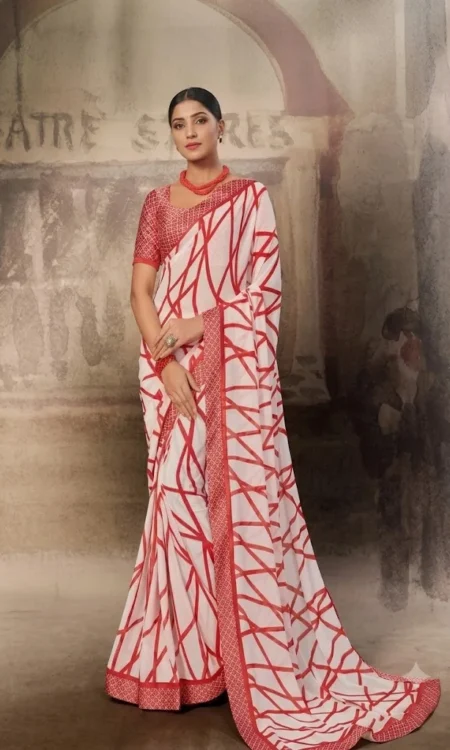
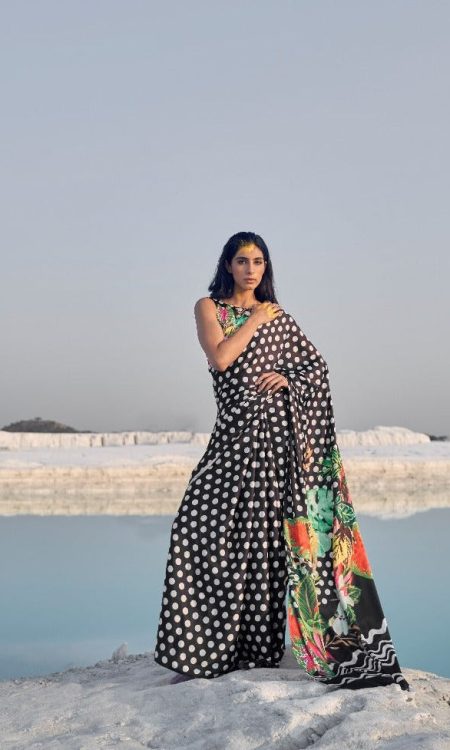
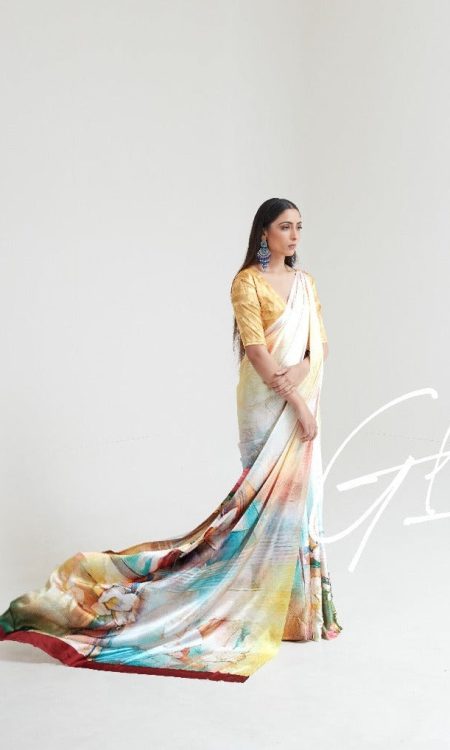
The current collection is especially relevant here: all eight products are print-led, including floral, zigzag, geometric, script, newspaper-inspired and other graphic or motif-based designs.
Print intensity, colour contrast, scale and composition can influence how expressive or restrained a saree appears.
Consider:
- Floral prints for a softer visual character
- Geometric prints for a structured or graphic appearance
- Abstract prints for contemporary styling
- Script or text-inspired prints for a more distinctive look
- Minimal repeated motifs for a quieter visual effect
- Higher-contrast prints when the workplace allows more expressive styling
There is no universal rule that printed sarees are unsuitable for office wear. The workplace and the complete design should guide the decision.
Colours for Office Wear Sarees
There is no universal office colour chart.
Professional styling can include neutrals, deeper colours, muted tones, pastels and selected brighter shades depending on the workplace, industry, time of day, personal style and overall coordination.
Potentially versatile directions include:
- Navy
- Indigo
- Grey
- Beige
- Ivory
- Cream
- Brown
- Olive
- Teal
- Muted green
- Maroon
- Rust
- Selected pastels
The current collection also includes black, white, red, orange, beige and blue/indigo designs. That range shows why professional dressing should not be reduced to dark or neutral colours.
If your workplace has a conservative dress culture, you may prefer a more restrained colour combination. A business-casual or creative environment may give you more room for stronger colour contrast.
Motifs for Professional Dressing
Motifs can contribute to the overall character of an office saree without determining its suitability by themselves.
Relevant directions include:
- Florals
- Geometric patterns
- Abstract forms
- Small repeated motifs
- Stripes
- Checks
- Contemporary graphic prints
- Restrained nature-inspired designs
When choosing a motif, consider visual scale, contrast and how the motif interacts with the rest of the saree.
Avoid assuming that a particular motif has a fixed cultural or professional meaning unless that meaning is specifically established for the textile or design.
Borders, Pallus and Zari
Borders
Border width, contrast, metallic content, weave, print and decorative density can all influence visual emphasis.
A restrained border can create a quieter overall appearance, while a broad or highly ornate border can make the saree more visually formal or occasion-oriented.
There is no universal "office border." The border should be considered together with the saree body, pallu and blouse.
Pallus
The pallu is an important part of the overall visual balance.
A same-as-body, printed or relatively simple pallu may create a more integrated appearance, while a contrasting, highly patterned or metallic pallu can become a stronger focal point.
Again, greater detail does not automatically make a saree unsuitable for work; it simply increases its visual emphasis.
Zari
Zari and other metallic details should be viewed as a degree-of-detail variable.
A narrow metallic border or restrained accent can create a different impression from a broad zari border, dense metallic motifs or an extensively decorated pallu.
Zari therefore does not automatically make a saree inappropriate for the workplace.
Office Sarees for Different Workplace Settings
Workplace expectations vary by employer, industry, organisational culture, geography, role and client interaction.
Regular Office Days
For everyday work, consider manageability, movement, repeat-wear potential, maintenance and how easily the saree coordinates with your existing wardrobe.
Corporate Offices
A polished combination of fabric, print, colour, blouse and drape can create a professional appearance. Follow your employer's dress expectations rather than relying on a universal corporate colour or fabric rule.
Business-Casual Workplaces
There may be greater room for expressive prints, colour and textile character, depending on the organisation.
Creative Workplaces
More distinctive prints, textures and colour combinations may fit the workplace culture where expressive dressing is accepted.
Client-Facing Roles
Consider the complete impression: overall polish, coordination, workplace norms and the level of formality expected when meeting clients.
Professional Events
The appropriate level of formality depends on the event and employer context. A professional event does not automatically require a wedding or festive saree.
How to Choose an Office Wear Saree
Use this checklist before making a purchase:
- Check your workplace dress code. Your employer's expectations come first.
- Consider your industry and environment. A corporate, creative, traditional or client-facing workplace may have different expectations.
- Decide how formal the saree needs to be. Regular desk work and a formal professional event may call for different levels of visual detail.
- Choose the fabric. Consider texture, drape, weight, sheen and maintenance.
- Consider the weight and construction. Think about commuting, movement and the length of your working day.
- Consider the climate. For UAE shoppers, think about commuting, outdoor conditions and indoor air-conditioning rather than assuming one fabric is universally best.
- Think about maintenance. A saree for frequent rotation should fit the care routine you are prepared to follow.
- Choose your colour. Select colours that suit your workplace, wardrobe and personal preferences.
- Decide between solid and printed styles. Print is not automatically less professional.
- Consider print intensity. Scale, contrast and composition can change the overall visual impact.
- Assess the border and pallu. Look at their width, contrast, metallic content and decorative detail.
- Consider embellishment and zari. More decorative detail can increase visual emphasis, but it does not create an automatic office/non-office distinction.
- Choose a suitable blouse. Consider the workplace, fabric, colour and overall styling.
- Coordinate jewellery. Select pieces that fit the workplace culture and your personal style.
- Choose practical footwear. Consider movement, comfort and workplace expectations.
- Think about frequency of wear. A repeat-workwear saree should fit your wardrobe rotation and maintenance routine.
- Check the product information. Confirm material, dimensions, blouse details, border, pallu, weight and care instructions before purchasing.
- Consider your budget. Price can reflect material, construction, printing, weaving, craftsmanship, embellishment, zari, design complexity and brand positioning.
How to Style a Saree for Office
Regular Office Days
Keep the complete look coordinated around the saree. A matching or solid blouse can create a more integrated appearance, while a carefully chosen contrast blouse can add definition without overwhelming the saree.
Choose a drape that keeps the pleats controlled, allows movement and works comfortably with your workplace routine.
Meetings
For meetings, consider a clean visual composition with a coordinated blouse, controlled accessories and a well-managed pallu.
Client-Facing Situations
Client-facing dressing should reflect your organisation's expectations. Consider overall polish, coordination and appropriate formality rather than following a universal "client meeting saree" rule.
Professional Events
Where a professional event calls for greater formality, you can consider a saree with more refined fabric or additional detail, provided it remains appropriate for the event and workplace culture.
Office Saree Drape, Blouse, Jewellery and Footwear
Drape
There is no single mandatory office saree drape.
A familiar Nivi drape can be used, but the most useful principle is practical: choose a drape that keeps pleats controlled, secures the pallu and allows comfortable movement in your work environment.
Blouse
The blouse is part of the overall professional styling system.
Consider:
- Matching or contrast colour
- Solid or printed fabric
- Structure
- Sleeve length
- Neckline
- Fabric
- Overall coverage
- Workplace norms
The current collection generally includes unstitched blouse pieces, giving shoppers flexibility to coordinate the blouse with their preferred professional styling.
Jewellery
Jewellery is workplace- and preference-dependent.
Possible choices include:
- Studs
- Small earrings
- Pearls
- Restrained gold jewellery
- Silver jewellery
- Limited bangles
- A watch
- A simple necklace
Minimal jewellery can be an option, but it is not a universal professional requirement.
Footwear
Choose footwear according to movement, workplace expectations and the saree's styling.
Options can include:
- Flats
- Sandals
- Low heels
- Block heels
- Suitable traditional footwear
Accessories
Where appropriate, coordinate the saree with practical accessories such as:
- Structured handbags
- Totes
- Laptop bags
- Watches
The aim is coordination and workplace practicality rather than following a particular trend.
UAE Office Wear Considerations
For shoppers in the UAE, consider how the saree will work across commuting, outdoor conditions, indoor air-conditioning and the working day.
Fabric weight, construction, drape and care requirements can matter as much as appearance. Rather than assuming that one fabric is automatically best for the UAE, assess the particular saree and your own routine.
Workplace expectations can also differ between employers, industries and roles, so professional dressing should be guided by the organisation's own culture and requirements.
Day-to-Day Office Wear
If you are building a repeat office wardrobe, look beyond first impressions.
Consider:
- Fabric
- Weight
- Wrinkling
- Maintenance
- Print versatility
- Blouse compatibility
- Drape stability
- Colour coordination
- Cleaning requirements
The current Office Wear Sarees collection is particularly suited to shoppers looking for a print-led cotton edit, with most products listed at approximately 450g and the chiffon option listed at 600g.
How to Check Office Saree Quality Before Buying
Office wear should not be treated as a lower-quality category. A practical work saree can still be evaluated carefully for construction and finish.
Fabric
Check that the material is clearly stated and review the available information about construction, texture and finish.
Print
Look for clear printing, consistent design, appropriate alignment and balanced colour.
Border
Inspect the finish and consistency of the border and how it relates to the saree body.
Pallu
Check design continuity and finishing, especially where the pallu contrasts with the body.
Blouse
Confirm whether a blouse piece is included, along with its stated material and length.
Overall Construction
Check the listed dimensions, stitching, finishing and any information about fall or pico.
Most importantly, compare the product description with the photographs and contact the store if you need clarification about a particular product.
Authenticity and Textile Claims
Terms such as handloom, handwoven, handmade and artisan-made should be supported by product or manufacturer information.
Do not assume that a saree is handloom or handwoven simply because it looks textured or traditional.
Likewise, regional origin, GI status or artisan production should not be inferred from appearance alone.
When shopping, rely on the individual product description and supporting information for claims about material, production method and origin.
Price and Value
There is no fixed price point for an office saree.
Value can be influenced by:
- Fabric
- Construction
- Weaving
- Printing technique
- Craftsmanship
- Embroidery
- Zari
- Design complexity
- Brand positioning
Office wear is therefore not automatically an inexpensive category. The right value depends on how the saree fits your intended frequency of wear, styling needs, quality expectations and budget.
Office Saree Care Guide
Always follow the care instructions for the individual saree first.
For the current collection, product-level guidance should take priority over general textile assumptions. The site's general care direction includes avoiding handwashing or machine washing where instructed, avoiding brushing, twisting and squeezing, using professional dry cleaning where specified, avoiding excessive cleaning and extreme ironing heat, and storing sarees in dry, airy conditions.
For storage, periodically changing folds can help with long-term handling, while additional care may be necessary for products containing zari or embroidery.
Because care depends on the specific fabric, construction and decorative details, do not assume that every office saree requires the same cleaning method.
Frequently Asked Questions
What are office wear sarees?
Office wear sarees are sarees selected for professional or workplace settings. Suitability depends on workplace expectations, formality, fabric, design, drape and styling.
What makes a saree suitable for office wear?
A combination of workplace dress code, formality, fabric, weight, drape, colour, print, border, pallu, embellishment and styling can influence whether a saree works for a particular workplace.
Are office wear and workwear sarees the same?
They overlap heavily. Office wear is more specifically associated with office and workplace dressing, while workwear is a broader professional-use concept.
How are office sarees different from casual sarees?
Office sarees are selected primarily for professional settings, while casual sarees are generally associated with relaxed or less-formal dressing. The same saree can sometimes work in both contexts.
Are everyday sarees the same as office wear sarees?
No. Everyday describes frequency or routine use, while office wear describes professional context. Some everyday sarees can also be appropriate for office wear.
Can a casual saree be worn to the office?
Sometimes. It depends on the workplace, the saree's design, fabric, visual intensity and styling.
Which fabric is best for office wear sarees?
There is no universal best fabric. Cotton, linen, Chanderi, selected silks, blends, chiffon and other fabrics can work depending on construction, workplace expectations, climate, drape and maintenance requirements.
Are cotton sarees suitable for office wear?
Yes. Cotton is widely used for office wear, and the current Sarees By Muhurat Office Wear collection is predominantly cotton. Cotton is not automatically office wear, however; the particular design and styling still matter.
Are linen sarees suitable for office wear?
Yes, selected linen sarees can work well in professional settings. Their natural texture, structured appearance and tendency to crease should be considered alongside personal maintenance preferences.
Can silk sarees be worn to the office?
Yes. Selected silk sarees can work in professional settings when their weight, sheen, zari, embellishment, border, colour and styling suit the workplace.
Can chiffon sarees be worn to work?
They can be appropriate in some workplaces when the particular design and styling suit the environment. Chiffon is fluid and may require careful handling, so the individual product's construction and care instructions should be considered.
Can printed sarees be worn to the office?
Yes. Print does not automatically make a saree unsuitable for work. Print scale, colour contrast, visual intensity and workplace context all matter.
Which colours are suitable for office sarees?
There is no universal office colour rule. Navy, indigo, grey, beige, ivory, cream, brown, olive, teal, muted green, maroon, rust and selected pastels can all provide professional styling directions, depending on the workplace and personal preference.
How do borders affect office saree styling?
Border width, contrast, metallic content, weave, print and decorative density can affect visual emphasis. A restrained border can create a quieter appearance, while a wide or ornate border can increase visual impact.
How does a detailed pallu affect formality?
A detailed or contrasting pallu can become a stronger visual focal point. This may increase the perceived formality or occasion emphasis of the saree, but it does not automatically make the saree unsuitable for work.
Can sarees with zari be worn to work?
Yes. Zari is not automatically unsuitable for office wear. The amount of metallic detailing, border width, motifs and pallu treatment should be considered alongside workplace expectations.
How should I style a saree for office?
Choose a workplace-appropriate combination of saree, blouse, drape, jewellery and footwear. Keep movement, coordination and the expected level of formality in mind.
Which blouse works well with an office saree?
Matching, solid, contrast, structured, traditional or contemporary blouses can all work depending on the saree, workplace norms, colour and overall styling.
What jewellery can I wear with an office saree?
Studs, small earrings, pearls, restrained gold or silver jewellery, limited bangles, a watch or a simple necklace can work where they fit the workplace culture and personal style.
What footwear works well with an office saree?
Flats, sandals, low heels, block heels and suitable traditional footwear can work depending on workplace expectations, movement and the overall saree styling.
How do I choose an office wear saree?
Start with your workplace dress code and level of formality, then consider fabric, weight, drape, climate, maintenance, colour, print, border, pallu, embellishment, blouse, jewellery, footwear, frequency of wear and budget.
What should I check before buying an office saree?
Check the stated material, length, weight, blouse information, border, pallu, construction, print or embellishment details and care instructions. Compare the product description with the images and contact the store if you need clarification.
How should I evaluate authenticity?
Do not try to establish handloom, handwoven, handmade, artisan-made, GI or regional-origin claims from photographs alone. Look for specific product or manufacturer information supporting the claim.
How should I care for an office wear saree?
Follow the individual product's care instructions first. Depending on the saree, this may include professional dry cleaning, avoiding harsh handling and extreme ironing heat, and storing the saree in suitable dry, airy conditions.
What saree should I wear for a client meeting?
Follow your organisation's expectations first. A coordinated saree, blouse and accessories with an appropriately polished level of formality can work where sarees are accepted in the workplace.
Can the same saree work across different professional settings?
Yes. A saree can sometimes work for regular office days, meetings or client-facing situations simply by changing the blouse, jewellery, footwear and styling. Whether it remains appropriate depends on the workplace and the level of formality required.
Explore Related Saree Collections
Looking for a different direction?
- Cotton Sarees — explore the broader cotton collection if fabric versatility is your priority.
- Chikankari Sarees — explore a different approach to detailed saree styling.
- Kanjivaram Sarees — compare with a more traditional silk-focused collection when your occasion calls for greater formality.
- Shop All Sarees — browse the wider catalogue across fabrics, designs and occasions.
You can also explore the Saree Fabric Guide when comparing fabric characteristics or the Saree Draping Styles guide when you want to explore different draping approaches.