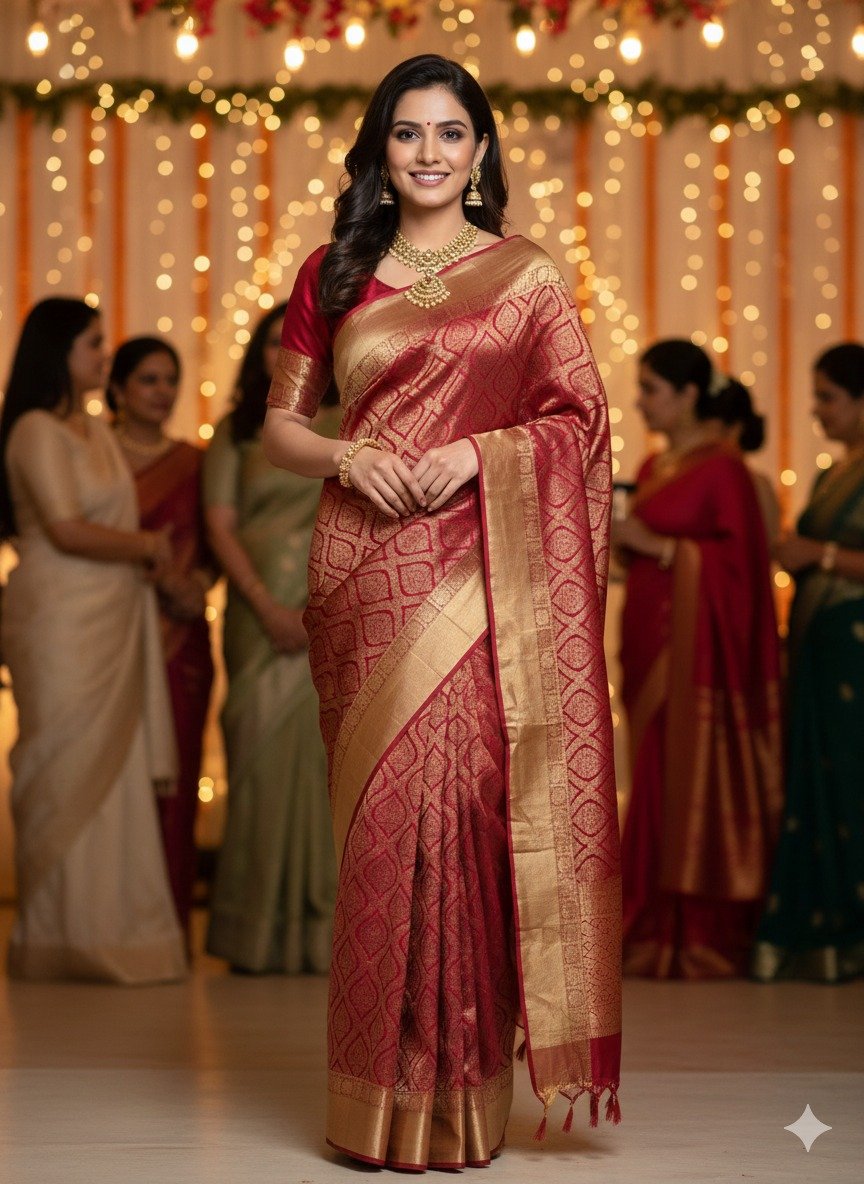
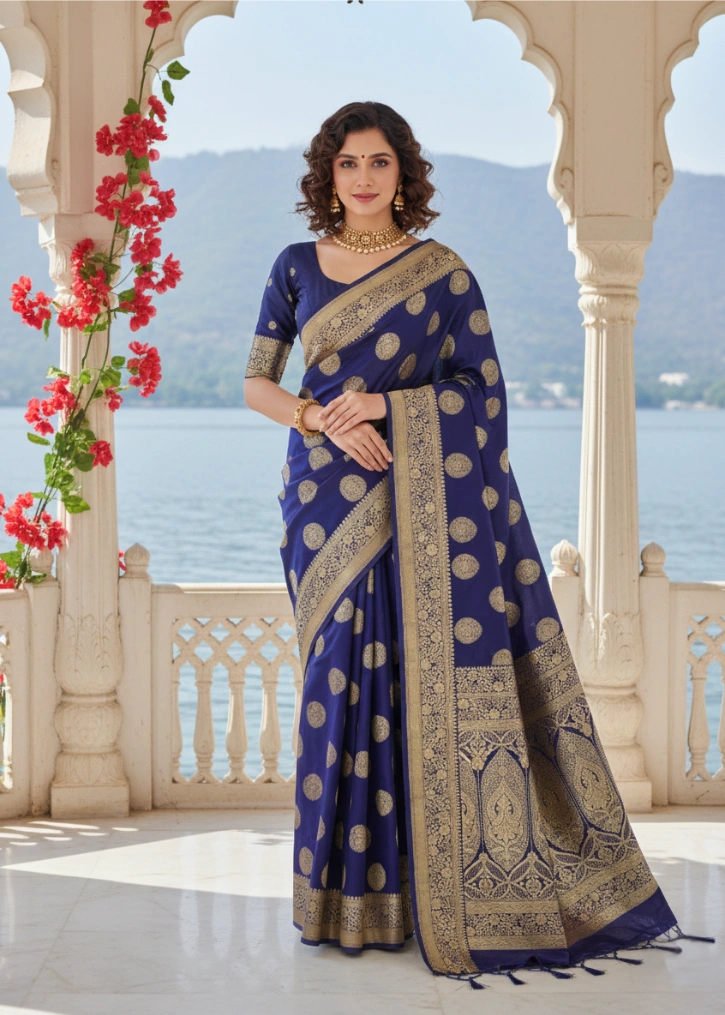
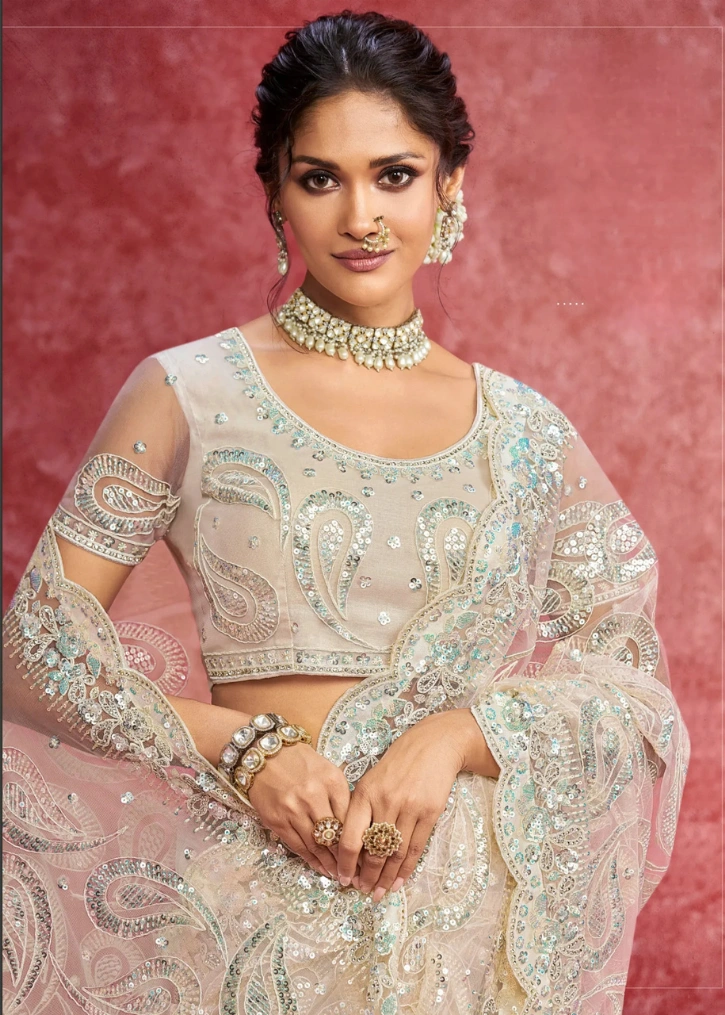
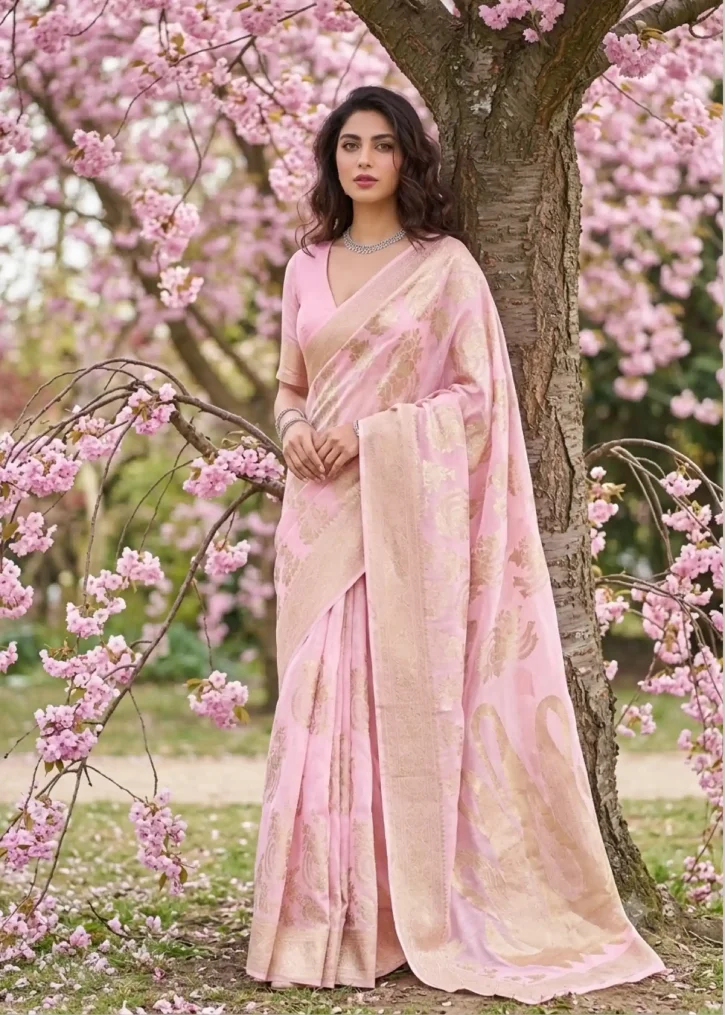
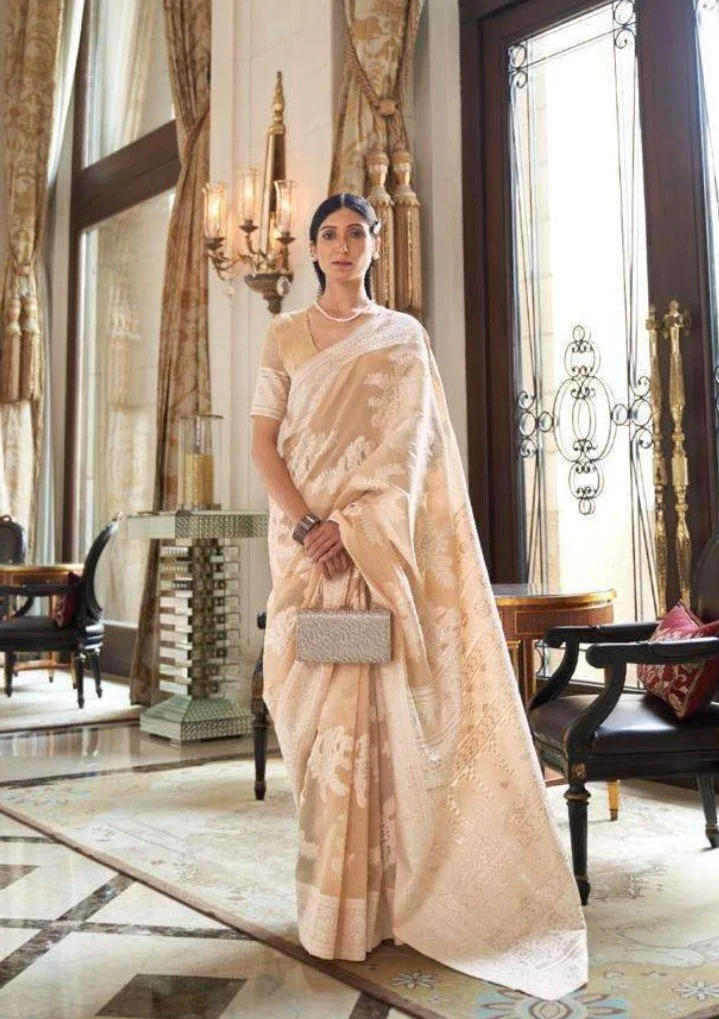
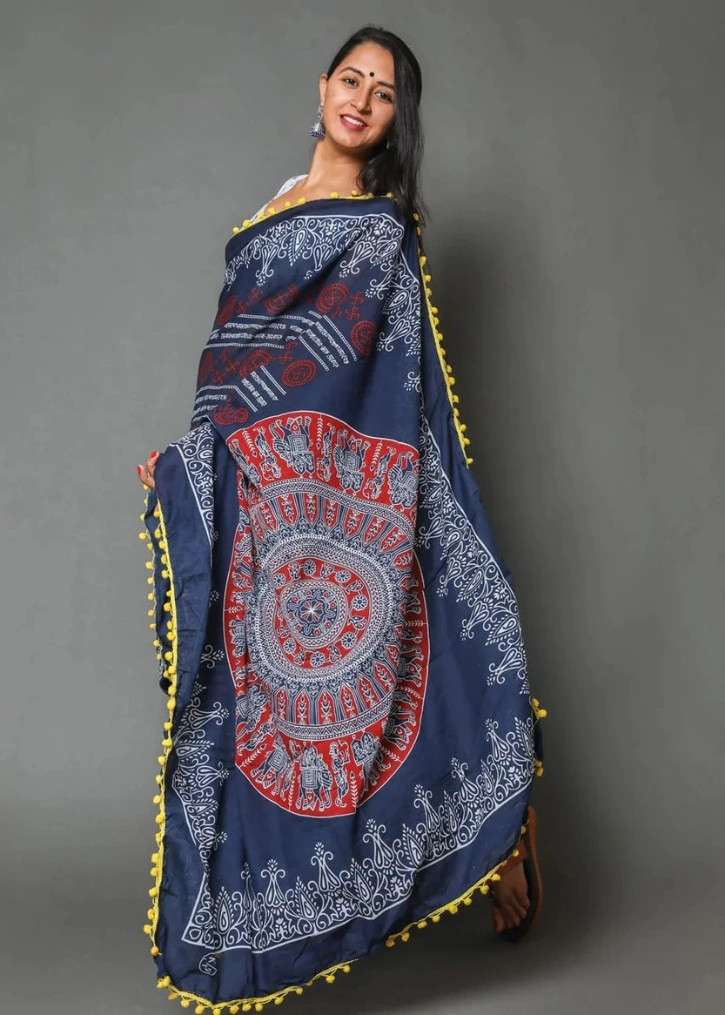
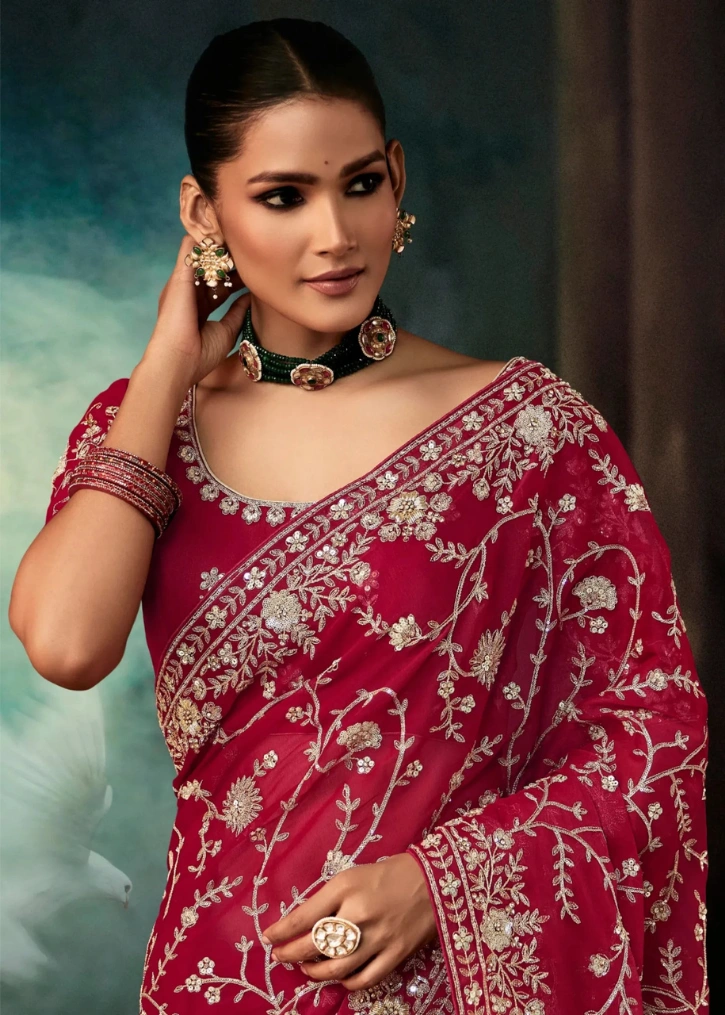
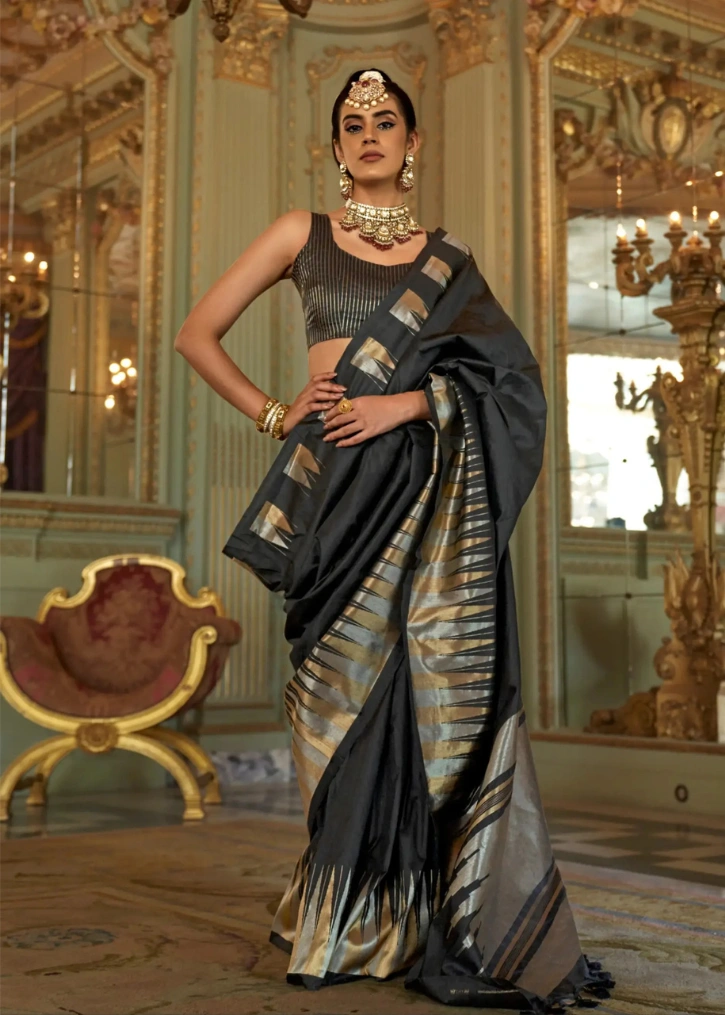
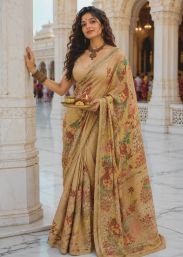
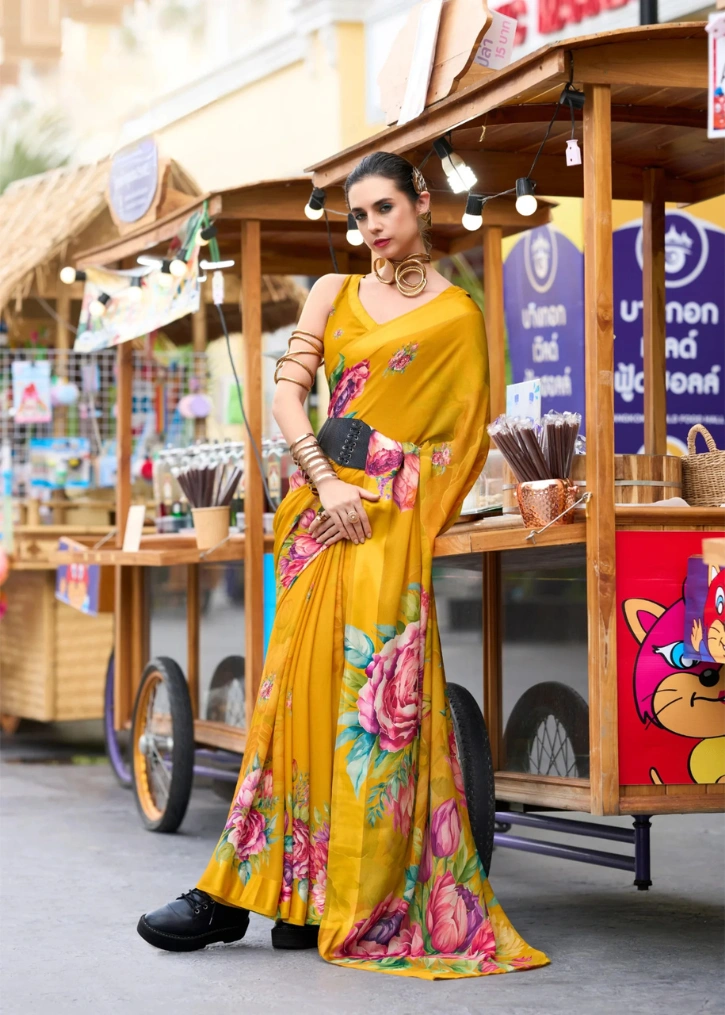
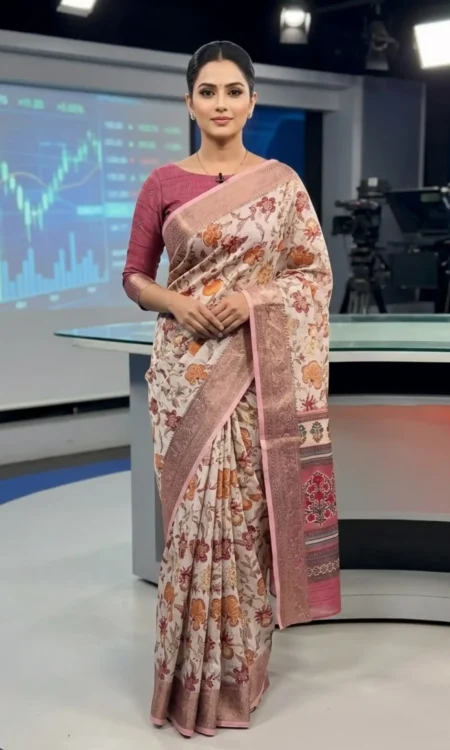
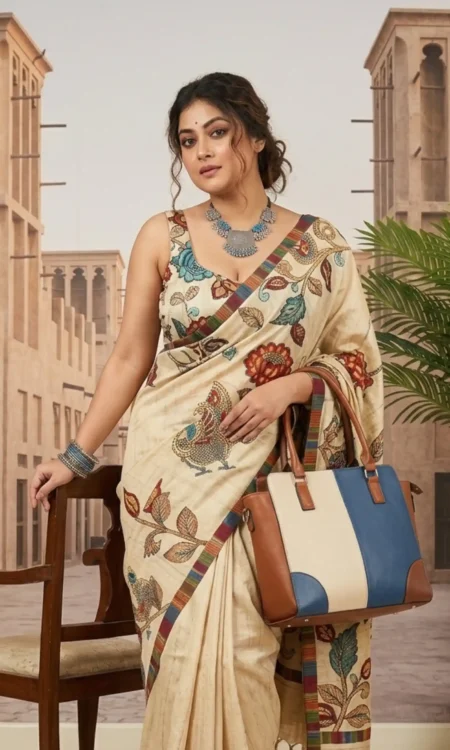
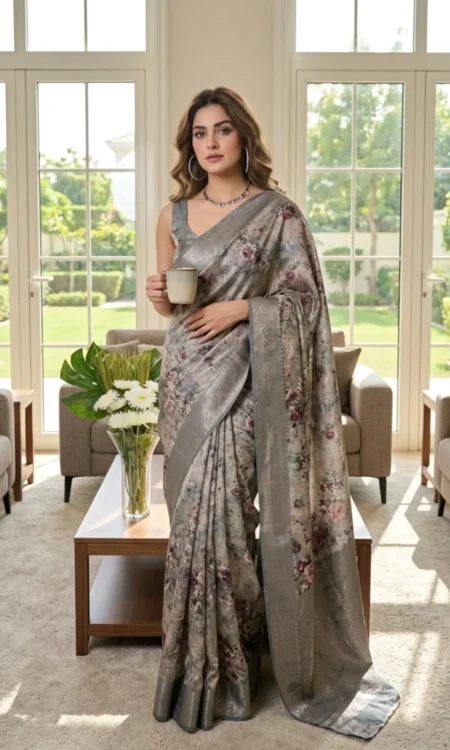
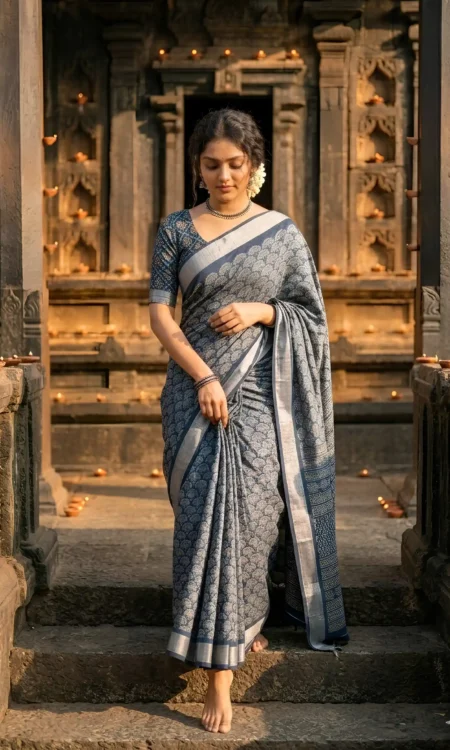
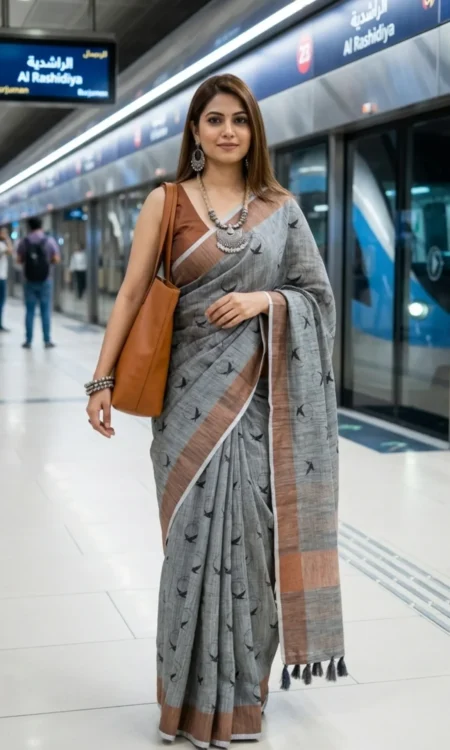
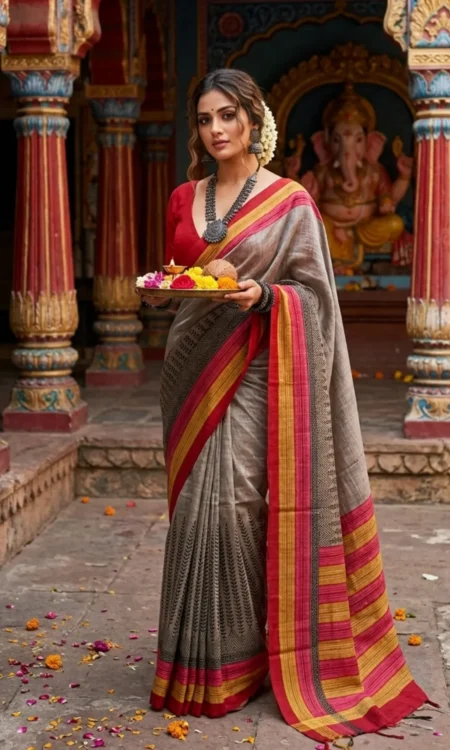
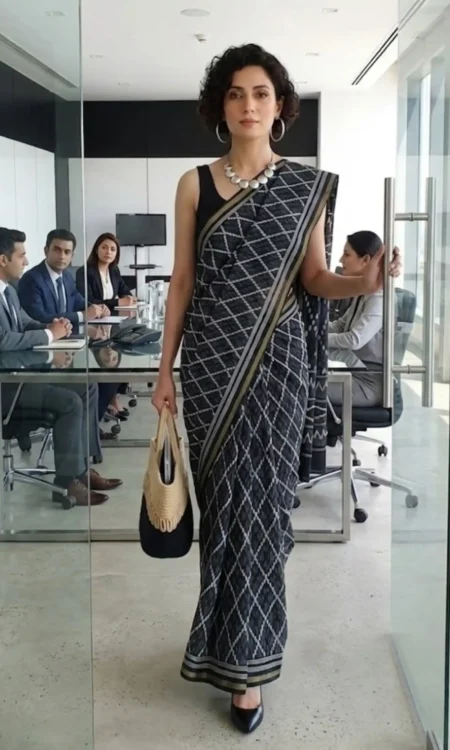
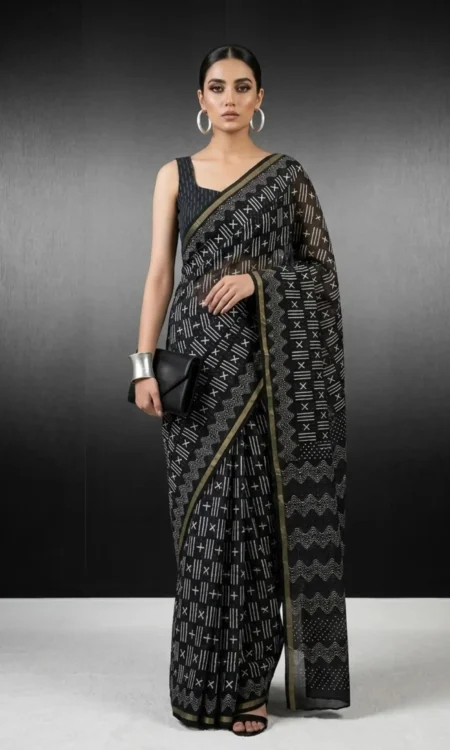
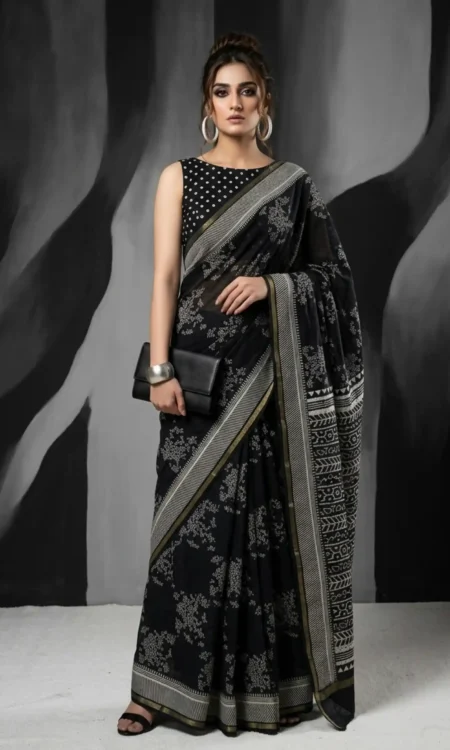
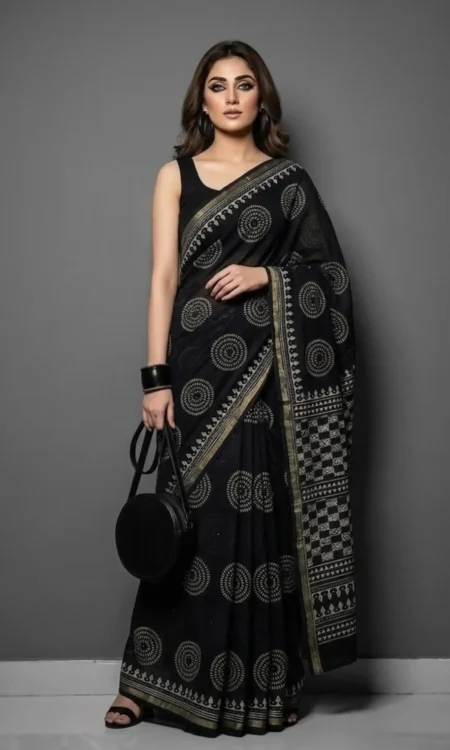
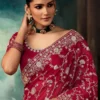
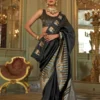
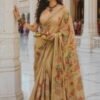
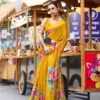
What Are Casual Sarees?
Casual sarees are sarees selected for
everyday, relaxed or less-formal settings. Their suitability is not determined by fabric alone. Weight, drape, design, embellishment, colour, border, pallu and styling can all influence how formal or relaxed a saree looks.
This means a casual saree can be made from cotton, cotton-silk, linen, chiffon, georgette, Chanderi or a selected silk or silk blend. It can be printed, minimally embellished, woven, handloom or contemporary in appearance, provided the overall design and styling suit the intended setting.
The term
casual describes use and formality rather than a single textile category.
A cotton saree may be casual, but cotton does not automatically make a saree casual. Similarly, silk, Chanderi or handloom sarees are not automatically festive or formal.
What Makes a Saree Suitable for Casual Wear?
There is no single feature that makes a saree casual. Look at several characteristics together:
| Factor |
What to consider |
| Fabric |
Cotton, linen, chiffon, georgette, Chanderi, cotton-silk and other fabrics can work depending on construction and design. |
| Weight |
A lighter construction may suit some everyday uses, but actual product weight varies across this collection. |
| Drape |
Structured, fluid, crisp or softer drapes can create different practical and visual effects. |
| Texture |
Matte, textured or understated surfaces may create a more relaxed appearance. |
| Print |
Floral, abstract, geometric and contemporary prints can work well, but a print alone does not make a saree casual. |
| Embellishment |
The amount, density and placement of embroidery, sequins, beads, zari or other details can increase visual formality. |
| Border |
A restrained border often creates a quieter appearance, while a broad decorative or heavily embellished border can look more formal. |
| Pallu |
A simple or restrained pallu can support casual styling; an elaborate pallu may create greater visual impact. |
| Colour |
Colour affects the overall impression but does not follow a fixed casual-versus-formal rule. |
| Styling |
The blouse, jewellery, footwear, accessories and drape can change the overall level of formality. |
| Occasion |
The same saree can work for a casual setting in one situation and a more formal occasion in another. |
The collection itself illustrates why this multi-factor approach matters. It includes products ranging from a 450 g cotton saree to substantially heavier semi-silk and Chanderi examples, so
lightweight should not be treated as a collection-wide characteristic.
Choosing Fabrics for Casual Sarees
Fabric is an important starting point, but it should be considered alongside weight, construction, drape, design and care requirements.
| Fabric |
General characteristics |
Casual suitability |
| Cotton |
Often structured to soft, with a matte or textured appearance |
Strong option for many casual and everyday looks |
| Cotton-silk |
Softer appearance with some sheen |
Suitable for relaxed looks when styling and detailing remain appropriate |
| Linen |
Often structured or crisp with a textured, understated appearance |
Strong to medium casual potential depending on construction |
| Chanderi |
Delicate textile character with texture and some sheen |
Medium casual potential; strongly design-dependent |
| Tussar / semi-tussar |
Textured appearance and natural drape |
Can work for casual settings depending on design |
| Georgette |
Fluid and flowing |
Can suit relaxed styling, particularly when detailing is restrained |
| Chiffon |
Fluid and sheer |
Can work for casual or daytime styling depending on print, colour and overall design |
| Silk / silk blends |
Construction, weight and sheen can vary considerably |
Selected products can be styled casually |
This is a selection framework rather than a rule that one fabric is universally better than another.
Cotton Casual Sarees
Cotton is one of the strongest fabric choices for casual and everyday dressing, and the collection contains substantial cotton representation.
Its appeal for casual styling comes from the range of constructions, textures, prints and designs available rather than from the word "cotton" alone. A printed cotton saree can create a distinctly relaxed appearance, while a more elaborate cotton design can suit a different level of formality.
When choosing cotton, consider:
- Actual fabric and construction
- Weight
- Texture
- Print or woven design
- Border and pallu
- Drape
- Care instructions
- Intended occasion
The important distinction is simple:
Cotton is a material category. Casual is a use and formality category.
Lightweight Sarees
Lightweight sarees can be useful for some everyday, daytime or travel situations, but weight should be assessed at product level.
The Casual Chic collection includes products with materially different weights, including examples around 450 g, 600 g, 750 g and 900 g. Therefore, it would be misleading to describe the entire collection as lightweight.
If weight matters to you, check the individual product details rather than relying on the collection category alone.
Handloom Casual Sarees
Handloom describes a production method; it does not define the occasion.
A handloom saree can be an excellent casual choice when its fabric, construction, weight, design and styling suit the intended setting. Conversely, a handloom saree can also be appropriate for more formal occasions.
When a product carries a handloom or handwoven claim, look for product-level information or appropriate documentation rather than assuming that the appearance of the saree proves its production method.
Silk and Silk-Blend Casual Sarees
Silk does not automatically mean festive, bridal or formal.
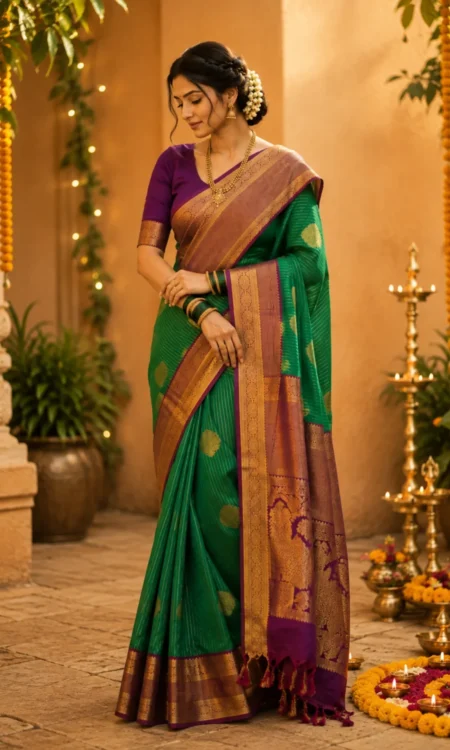
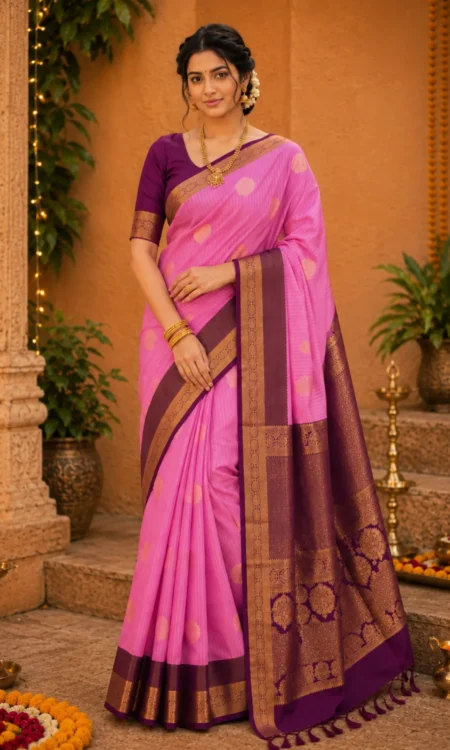
Selected silk and silk-blend sarees can work for casual dressing when their construction and styling create a more relaxed overall appearance. Factors such as weight, sheen, zari, border, embellishment and blouse choice all matter.
A restrained silk-blend saree styled with a simpler blouse and practical accessories may create a very different impression from a richly embellished silk saree with a statement border and elaborate jewellery.
The right question is therefore not:
"Is silk casual?"
It is:
"Does this particular silk saree, with its design and styling, suit the level of formality I need?"
Casual Sarees for Everyday Wear and Work
Everyday wear and casual wear overlap, but they are not identical.
Everyday or daily wear describes
frequency of use. Casual wear describes a
more relaxed level of formality.
Many sarees suitable for frequent wear will also be casual, but a saree can be worn regularly and still have a relatively formal appearance. Similarly, a casual saree may only be worn occasionally.
Can Casual Sarees Be Worn to Work?
Yes, some casual sarees can be suitable for work, but
casual does not mean office-appropriate in every workplace.
Consider:
- Workplace dress expectations
- Degree of formality
- Fabric and construction
- Sheerness
- Embellishment
- Print scale
- Colour
- Border
- Blouse
- Overall styling
A restrained print, controlled border and polished blouse may work well in a professional environment, while a heavily embellished saree may be better suited to a social or celebratory setting.
Workwear is therefore a narrower use-case within the broader casual category.
Prints, Colours, Borders and Details
Printed Casual Sarees
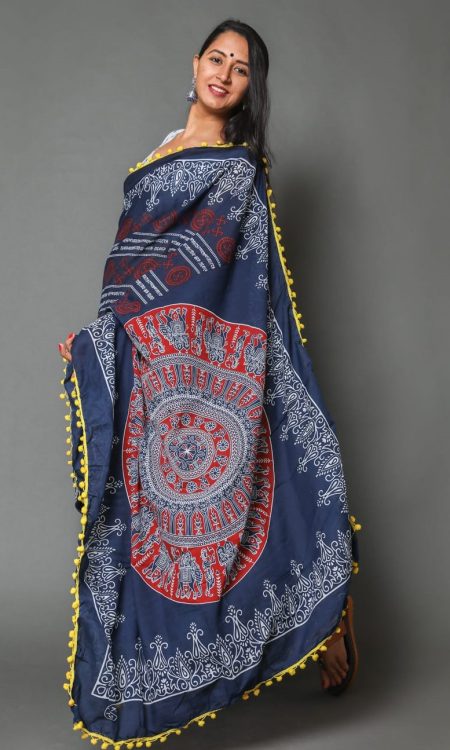
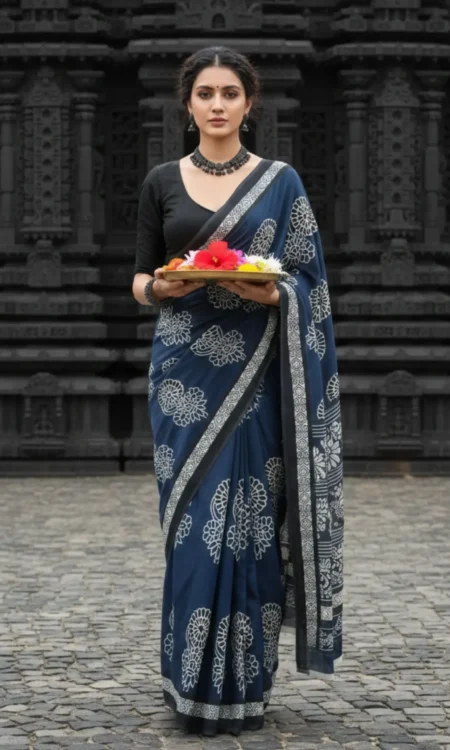
The collection has a strong printed presence, including floral, abstract, geometric, zigzag, stripe, polka-dot, motif and contemporary designs.
Printed does not automatically mean casual. Consider the combination of:
print + fabric + scale + colour + border + pallu + styling.
A restrained floral print may create a relaxed daytime appearance, while a dramatic print on a glossy or heavily detailed fabric may create a stronger evening or occasion look.
Colours for Casual Sarees
Casual dressing does not require a particular colour family.
The collection supports a broad range of colours and combinations, including neutrals, white, cream, ivory, black, blue, green, mustard, yellow, pink, peach, rust, maroon and multicoloured designs.
Pastels can create a softer appearance, but brighter colours can also work for casual dressing. The more useful question is whether the colour, fabric and design match the setting and your preferred level of formality.
Motifs and Patterns
Relevant design directions include:
- Floral motifs
- Leaves and nature-inspired forms
- Geometric patterns
- Abstract designs
- Stripes
- Dots
- Contemporary graphic motifs
- Product-supported regional motifs
Motifs should be considered primarily for their visual effect unless a product provides reliable information about a particular cultural or regional meaning.
Zari and Embellishment
Zari is best understood as a
formality modifier rather than an automatic exclusion from casual wear.
Minimal or restrained zari can remain versatile. A more prominent zari border or pallu generally adds visual richness, while extensive zari combined with dense embellishment is more likely to suit festive or occasion dressing.
The same principle applies to:
- Thread embroidery
- Sequins
- Beading
- Appliqué
- Stonework
- Metallic detailing
It is the
amount, density, placement and overall visual impact that matter.
Borders and Pallus
Borders and pallus can have a significant effect on how formal a saree appears.
A more casual-leaning visual treatment may include:
- Narrow borders
- Simple woven borders
- Understated contrast
- Restrained motifs
- A relatively simple pallu
A more formal visual treatment may include:
- Wide decorative borders
- Heavy zari
- Elaborate pallus
- Dense embellishment
- Strong metallic contrast
These are styling tendencies, not fixed rules. A saree's complete construction and intended occasion still matter.
Casual Sarees: Day vs Evening
Daytime casual dressing may favour lighter visual treatments, prints, restrained embellishment, understated borders and versatile colours.
Evening casual dressing can accommodate richer colours, greater sheen, stronger contrast or somewhat more elaborate detailing, depending on the venue and occasion.
Evening does not automatically mean party wear.
The occasion remains the controlling factor.
How to Choose a Casual Saree
Use the following checklist before choosing a saree:
1. What will you use it for?
Think about everyday wear, a casual outing, family visit, work, travel or an informal gathering.
2. How often will you wear it?
A frequently worn saree may need a different balance of practicality and maintenance from one intended for occasional use.
3. Which fabric suits the purpose?
Compare cotton, cotton-silk, linen, Chanderi, georgette, chiffon, tussar and selected silk or blended options according to the product's construction.
4. What weight do you prefer?
Use the actual product weight where it is provided. Do not assume every casual saree is lightweight.
5. What type of drape do you want?
Consider whether you prefer a structured, crisp, fluid or softer drape.
6. How much maintenance are you comfortable with?
Check the care instructions for the individual saree before purchasing.
7. What level of detail do you want?
Choose between plain, printed, lightly embellished or more richly detailed styles according to the occasion.
8. What border works for you?
A minimal, contrast, decorative or zari border can change the visual character of the saree.
9. What pallu do you prefer?
Look at whether the pallu is simple, printed, woven or more statement-oriented.
10. How will you style it?
Your blouse, jewellery, footwear and accessories can either maintain a relaxed appearance or increase formality.
11. What level of formality do you need?
Think about the actual setting rather than relying only on the category label.
12. What is your budget?
Casual does not mean inexpensive. Price can reflect fabric, weaving, craftsmanship, print or embroidery techniques, design complexity and brand positioning.
How to Style a Casual Saree
Casual styling is less about following one fixed formula and more about coordinating the saree with the intended setting.
Minimal Casual Styling
Try a simple blouse, understated jewellery, flats or sandals and a practical everyday bag. A neat drape can keep the overall appearance polished without making it overly formal.
Traditional Casual Styling
A cotton or woven blouse, small earrings, bangles or appropriate regional accessories can work well with a suitable saree.
Contemporary Casual Styling
A structured blouse, restrained jewellery, modern handbag and flats or low heels can create a more contemporary interpretation.
Indo-Modern Styling
A contrast blouse, contemporary earrings, clean drape and simple footwear can introduce contrast while keeping the overall outfit relaxed.
The saree should remain the starting point: styling works best when it complements the fabric, print, texture and level of detail already present.
Choosing the Right Blouse
The blouse can significantly influence the overall formality of a casual saree.
Matching blouse
A matching blouse creates a coordinated and generally quieter appearance.
Contrast blouse
A contrast blouse adds visual interest without necessarily making the outfit formal.
Cotton blouse
A cotton blouse can be a natural pairing for many cotton and everyday-focused sarees.
Printed blouse
A printed blouse can work when the saree itself is relatively restrained. When both pieces are strongly patterned, consider whether the combined effect suits the setting.
Structured blouse
A structured blouse can make a simple saree look more polished and may be useful for workwear-oriented styling.
Minimal blouse
A simpler blouse can balance a saree that already has a strong print, texture or detailed border.
Jewellery for Casual Sarees
Jewellery should be considered in relation to the saree's existing detail and the occasion.
Potential combinations include:
- Small earrings
- Studs
- Hoops
- Pearls
- Silver jewellery
- Simple gold jewellery
- Bangles
- Small pendants
- Contemporary jewellery
Minimal jewellery is an option, not a requirement. A more detailed saree may call for simpler jewellery, while a relatively restrained saree can accommodate more noticeable accessories without necessarily becoming formal.
Footwear and Accessories
For relaxed styling, consider:
- Flats
- Sandals
- Juttis
- Low heels
- Practical block heels
- Contemporary footwear
- Tote bags
- Sling bags
- Everyday handbags
Sneakers can be considered as a contemporary styling option where the outfit, setting and personal style make the combination appropriate.
Casual Sarees for Travel
A casual saree is not automatically travel-friendly.
Before packing one, consider:
- Fabric weight
- Wrinkle tendency
- Fabric structure
- Embellishment
- Packing space
- Care requirements
- Ease of draping
- Destination climate
A lighter saree may be easier to pack in some situations, but the actual construction and care requirements of the individual product matter more than the casual label.
Choosing Casual Sarees for the UAE Climate
The UAE's hot and humid summer conditions make fabric weight, texture, drape, layering and maintenance useful considerations when choosing clothing.
For warm conditions, shoppers may prefer constructions that suit their personal comfort and the intended setting. At the same time, indoor air-conditioning can create different clothing preferences from outdoor conditions.
Rather than assuming that one fabric will always feel cooler, consider the individual saree's construction, weight, drape and how you plan to wear it.
Casual Does Not Mean Lower Quality
A casual saree should not be judged by a lower quality standard.
When evaluating a saree, look at:
- Fabric quality
- Weave or construction
- Yarn
- Texture
- Finishing
- Border
- Pallu
- Blouse piece
- Stitching
- Print quality
- Embroidery
- Overall construction
If a product makes a specific handloom, handwoven, handmade, artisan-made, silk, cotton or regional claim, evaluate that claim using the product information and appropriate supporting evidence rather than appearance alone.
How to Evaluate Authenticity
Authenticity depends on the specific claim being made.
- For handloom or handwoven claims, look for reliable product-level information or appropriate documentation where available.
- For GI-related claims, remember that a Geographical Indication applies to the relevant registered product, geography and specification; using a regional name does not automatically establish GI eligibility.
- For handmade or artisan-made claims, look for actual product or supplier evidence.
- For fabric composition, rely on stated product information and documentation rather than attempting to identify fibre content from a photograph.
The safest approach is to evaluate each product on its own evidence.
Casual Saree Care
Care varies significantly across this collection because the products use different materials and constructions.
Always follow the
care instructions supplied with the individual saree.
Depending on the fabric, embroidery, zari and construction, care may involve considerations around:
- Washing
- Dry cleaning
- Drying
- Ironing
- Steaming
- Folding
- Storage
- Moisture and humidity
Do not assume that a casual saree is automatically machine-washable, easy-care or suitable for the same cleaning method as another saree.
Frequently Asked Questions
What are casual sarees?
Casual sarees are sarees selected for everyday, relaxed or less-formal settings. Their suitability depends on several characteristics, including fabric, weight, drape, design, embellishment, colour, border, pallu and styling.
What makes a saree suitable for casual wear?
Casual suitability is usually determined by a combination of use, formality, fabric, weight, drape, print, colour, embellishment, border, pallu and styling rather than one feature alone.
Are casual sarees the same as everyday sarees?
They overlap but are not identical. Everyday wear describes frequency of use, while casual wear describes a more relaxed level of formality.
Which fabrics are suitable for casual sarees?
The collection includes cotton, cotton-silk, linen, Chanderi, tussar or semi-tussar, georgette, chiffon and selected silk or blended-silk styles. Suitability depends on the individual saree's construction, design and intended use.
Are cotton sarees good for everyday wear?
Cotton is often a practical choice for casual and everyday sarees, but cotton is a fabric category rather than a guarantee that every cotton saree is casual.
Can casual sarees be worn to work?
Some can. Workplace suitability depends on dress expectations, formality, fabric, sheerness, print, embellishment, border, blouse and overall styling. Casual and office wear are related but not interchangeable.
Can silk sarees be casual?
Yes. Selected silk and silk-blend sarees can be styled casually when their construction, detailing and overall styling suit a relaxed setting. Silk does not automatically make a saree festive or bridal.
Can handloom sarees be worn casually?
Yes. A handloom saree can work for casual dressing when its fabric, construction, weight, design and styling suit the intended setting. Handloom describes production rather than occasion.
Are printed sarees suitable for casual wear?
Many printed sarees can work well for casual dressing, particularly when the fabric, print scale, colour, border and styling suit the setting. However, printed does not automatically mean casual.
How do I style a casual saree?
Start with the saree's fabric, print and level of detail, then coordinate the blouse, jewellery, footwear and bag with the intended setting. Matching or simple blouses, practical footwear and proportionate jewellery can create a relaxed look, while more structured or elaborate styling can increase formality.
How do I choose a casual saree?
Start with intended use and frequency of wear, then consider fabric, actual weight, drape, maintenance, print, colour, border, pallu, embellishment, blouse, styling and required level of formality.
How should I care for a casual saree?
Follow the individual product's care instructions. Different fabrics, embroidery, zari and constructions may require different washing, dry-cleaning, drying, ironing and storage methods.
What is the difference between casual and festive sarees?
Casual sarees are selected for relaxed, everyday or less-formal use, while festive sarees are selected primarily for celebration-oriented occasions. A saree can overlap categories depending on its design and styling.
What is the difference between casual and party wear sarees?
Casual sarees generally aim for a more relaxed level of formality, while party wear often uses greater visual impact through sheen, embellishment, richer borders, zari, statement pallus or evening-oriented styling. These are tendencies rather than absolute rules.
What is the difference between casual and traditional sarees?
Casual describes use and formality. Traditional can describe cultural, regional, textile or heritage characteristics. A traditional textile can therefore be worn casually, while a casual saree can incorporate traditional textile techniques.
Explore Related Saree Collections
Explore other collections when your intended use, fabric or design preference calls for a different focus:
- Cotton Sarees — explore the dedicated cotton collection when fabric is your primary selection criterion.
- Chikankari Sarees — explore embroidered Chikankari styles and their design characteristics.
- Embroidered Sarees — compare sarees where embroidery and embellishment are the primary design focus.
- Kanjivaram Sarees — explore a dedicated silk and heritage-oriented collection.
- Banarasi Sarees — compare a textile/design category that can span different levels of formality.
- Pure Silk Sarees — explore selected pure-silk styles.
- Japan Satin Sarees — explore contemporary satin-based designs.
- Floral Sarees — browse a design-led collection centred on floral patterns.
Casual sarees are best understood by looking at the complete combination of
use, formality, fabric, weight, drape, design and styling. Browse the collection to compare individual sarees and choose the one that fits your intended occasion, preferences and care requirements.