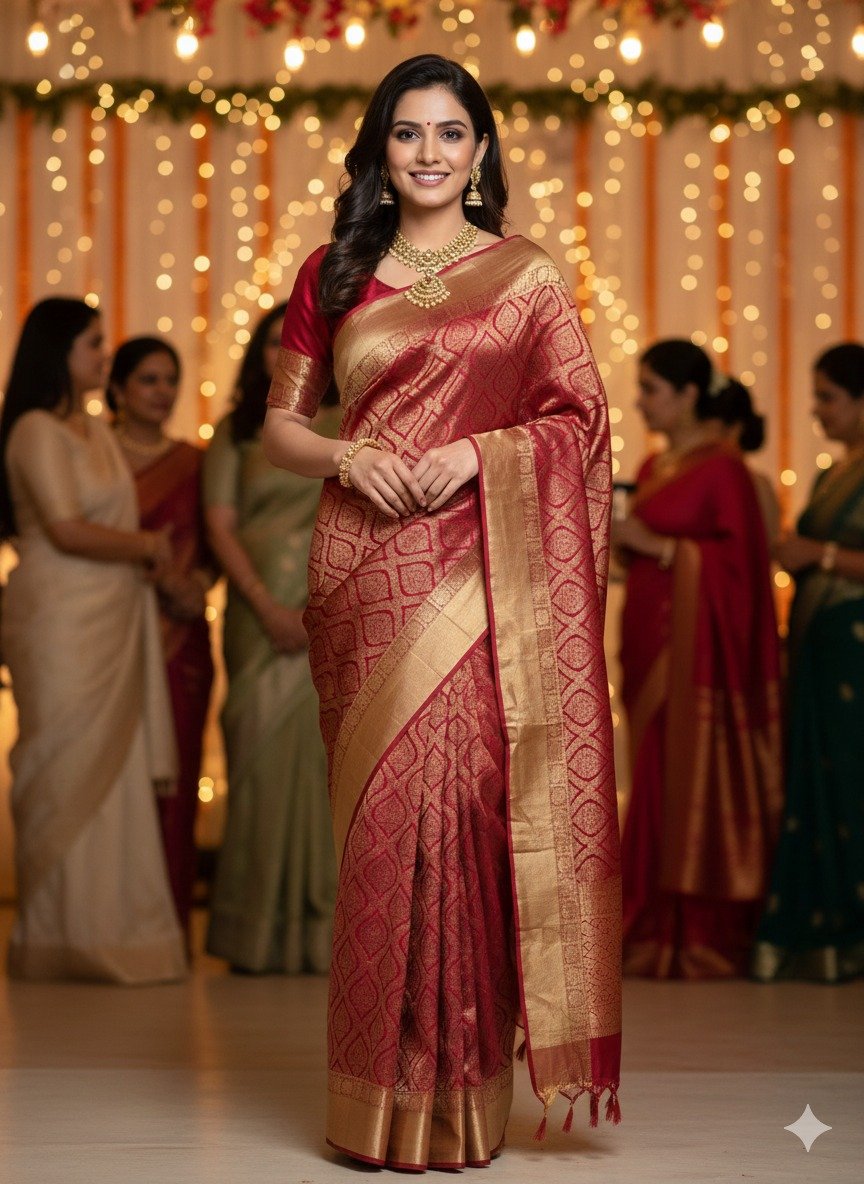
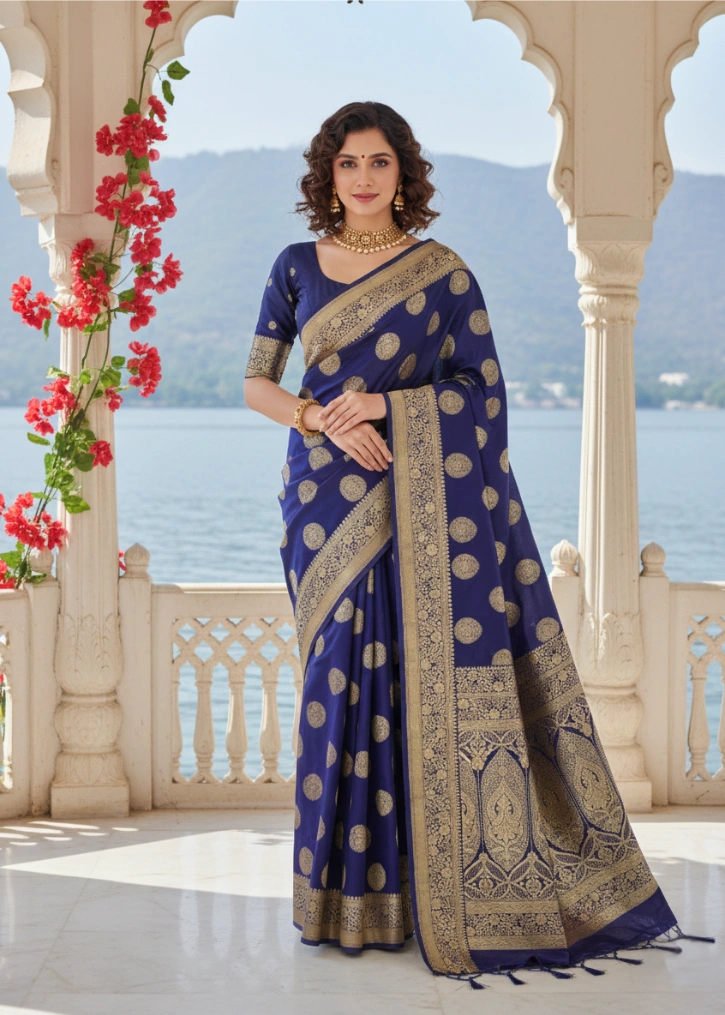
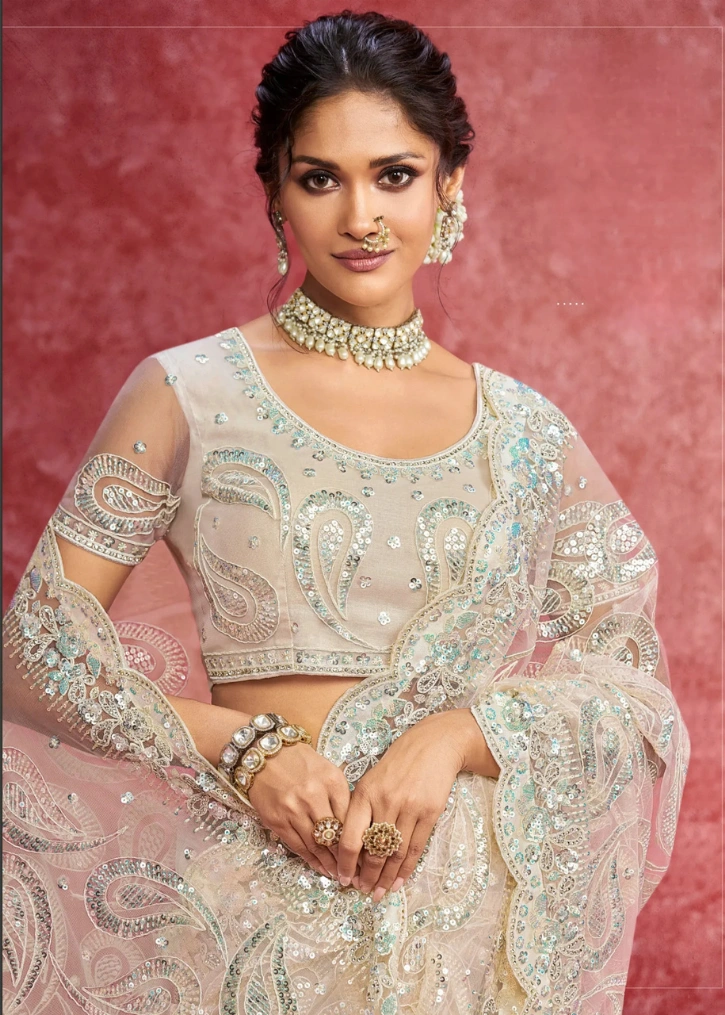
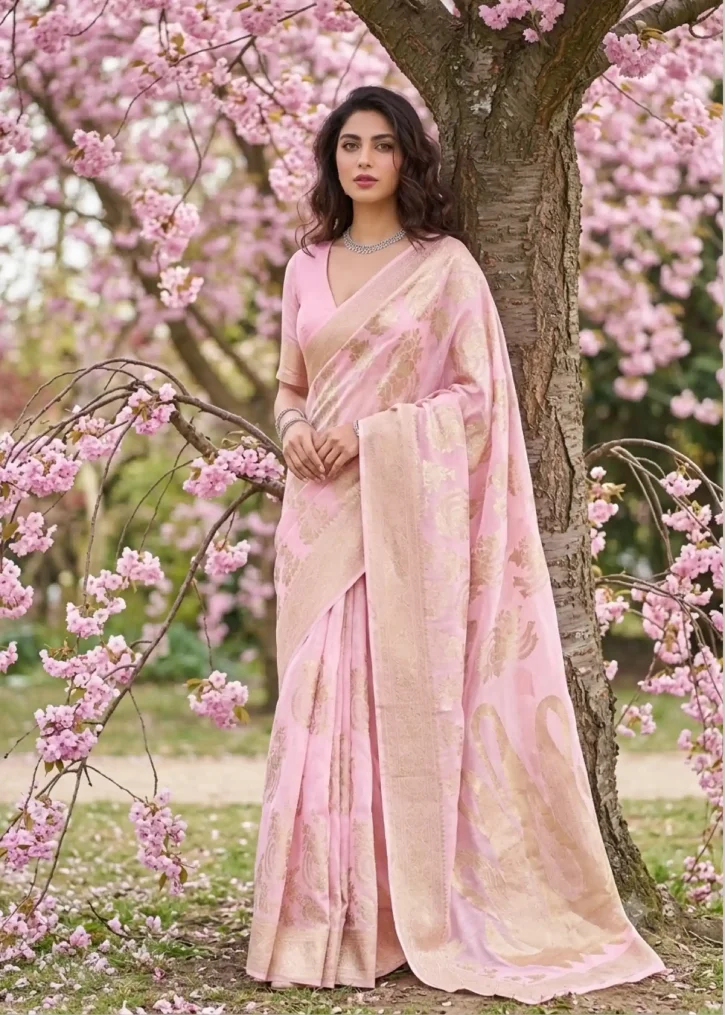
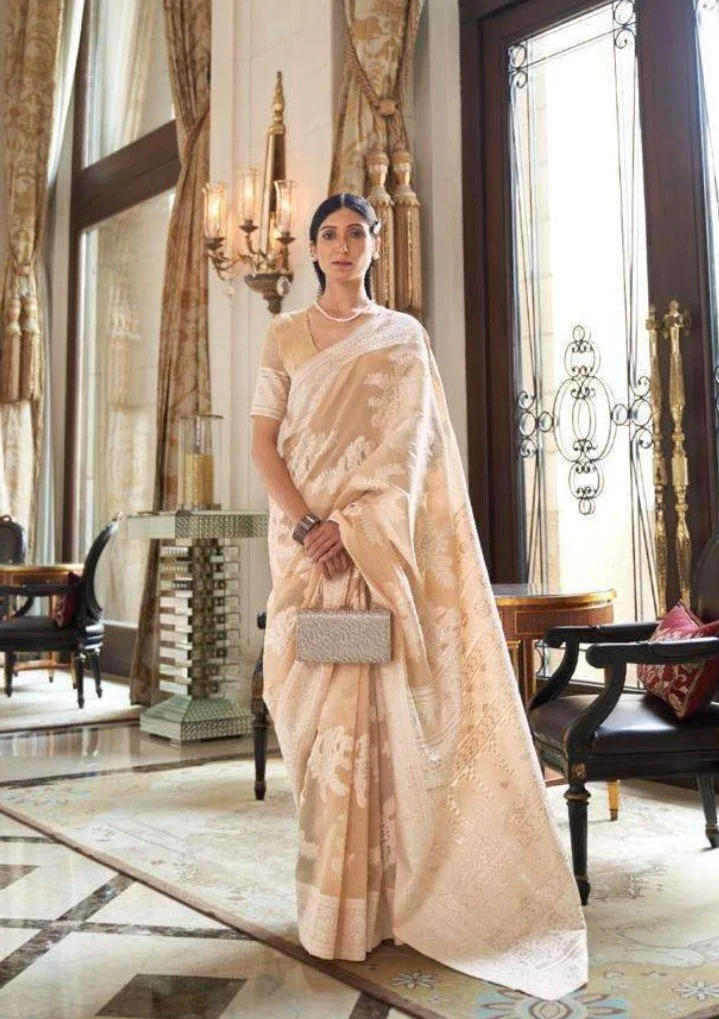
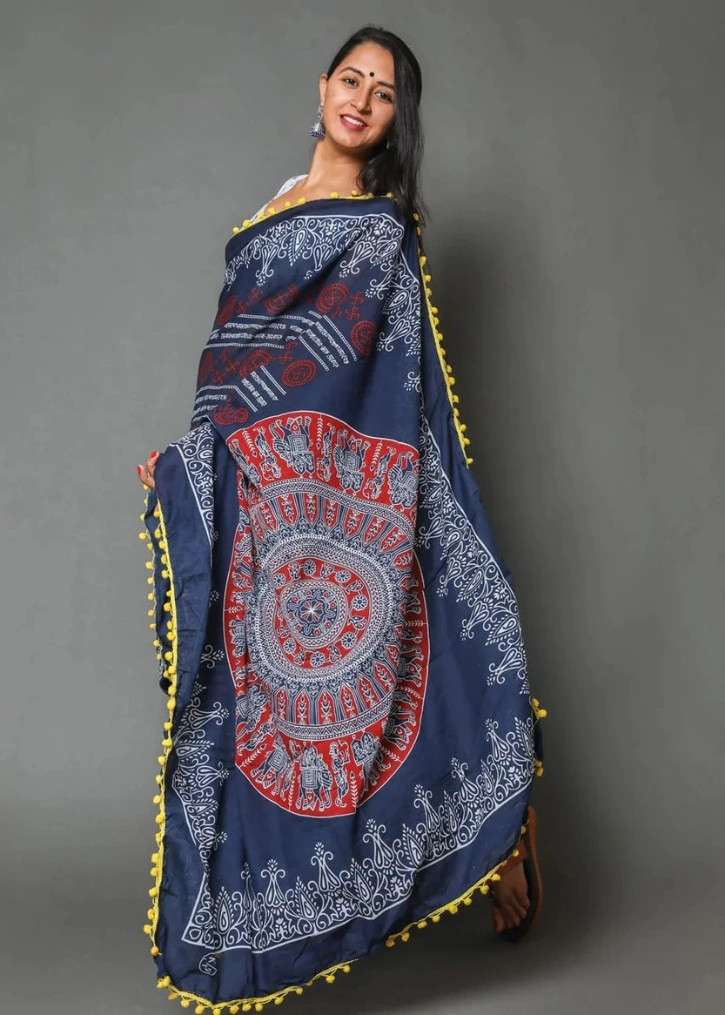
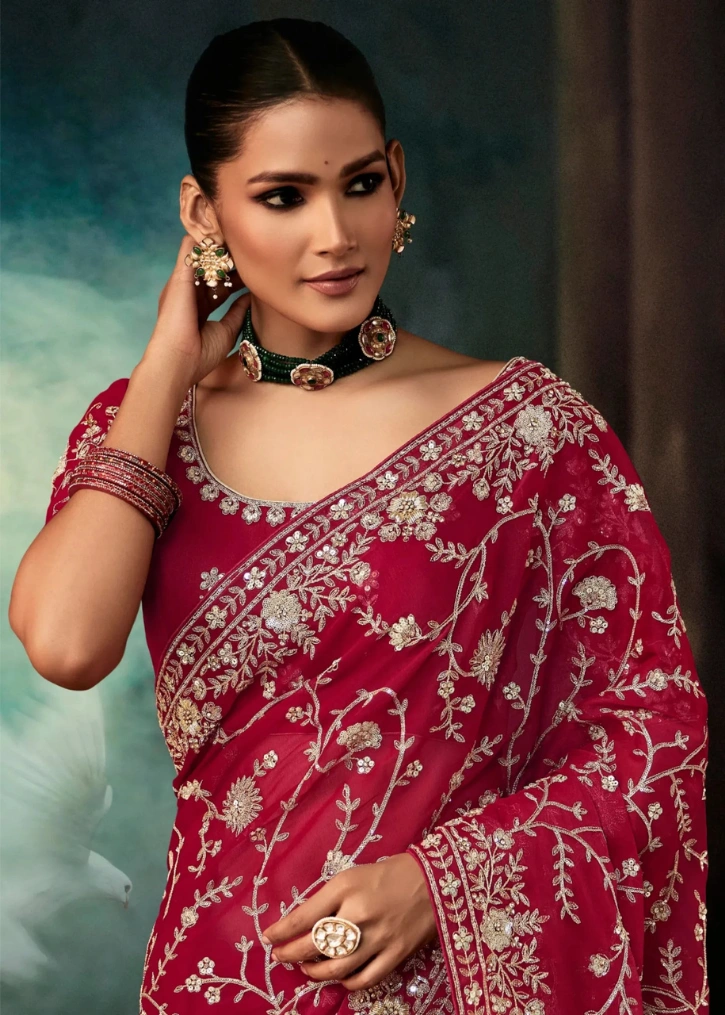
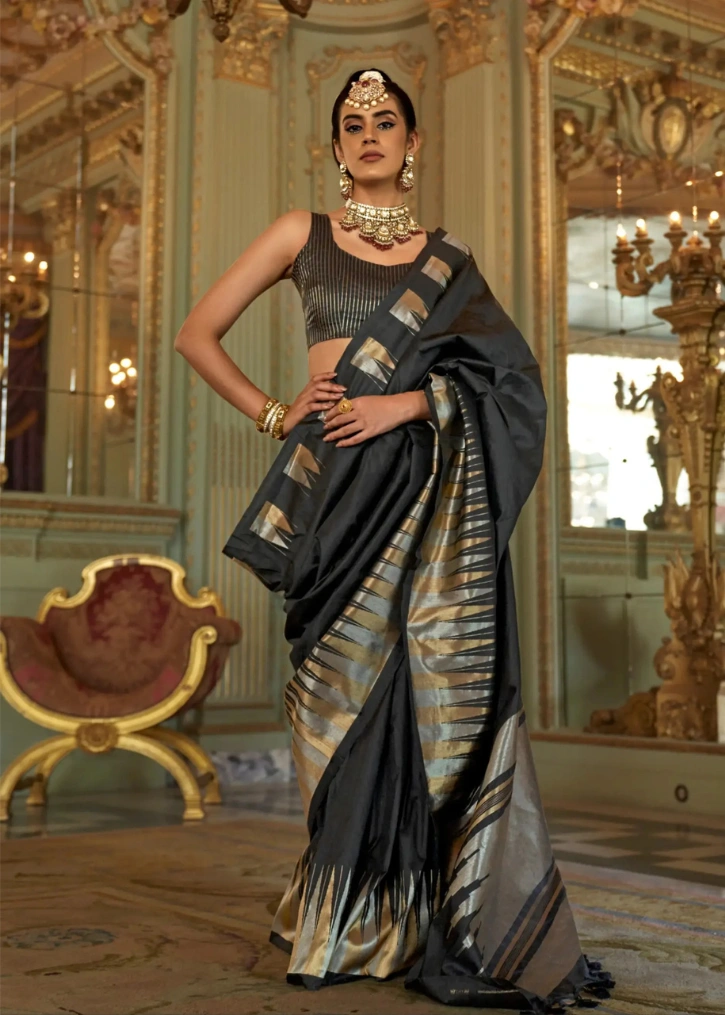
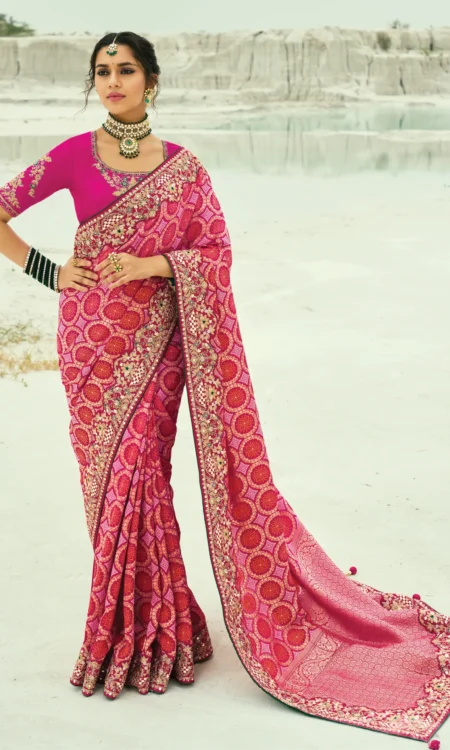
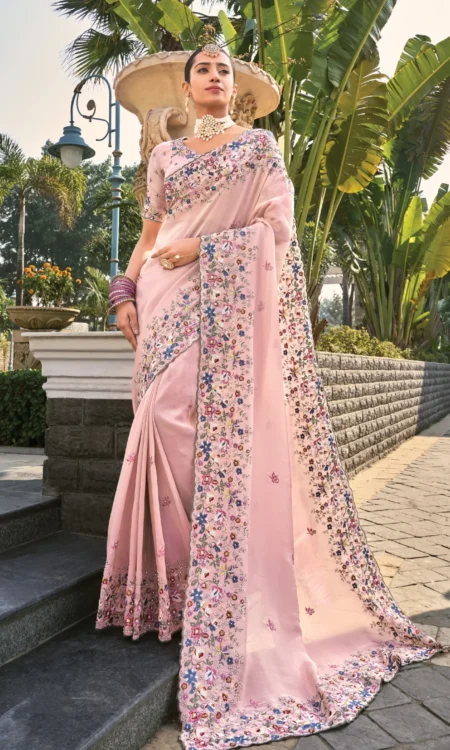
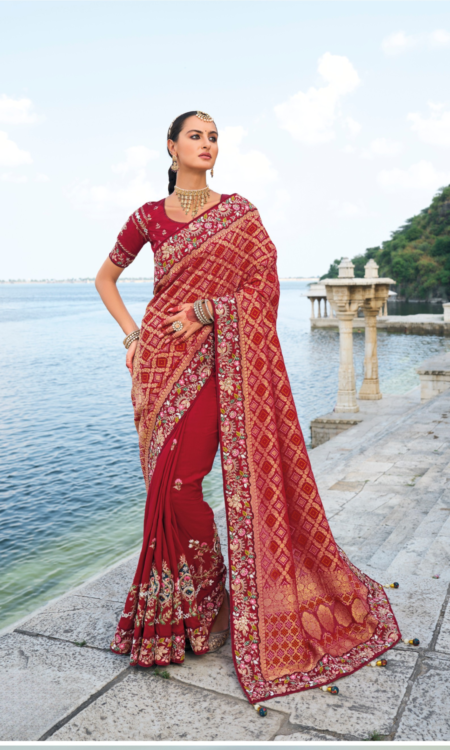
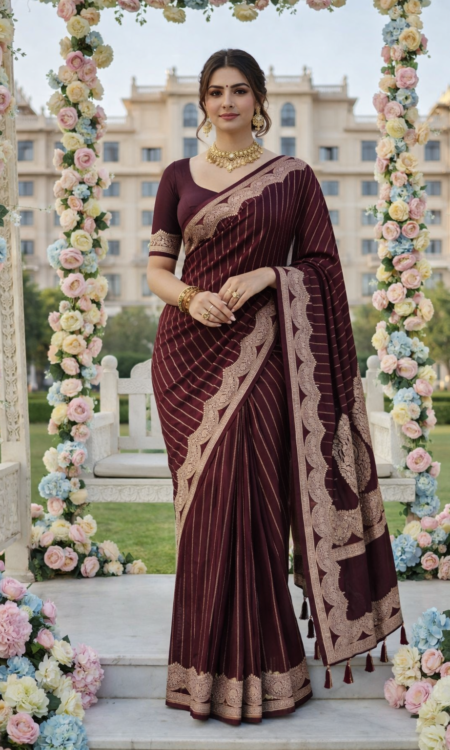
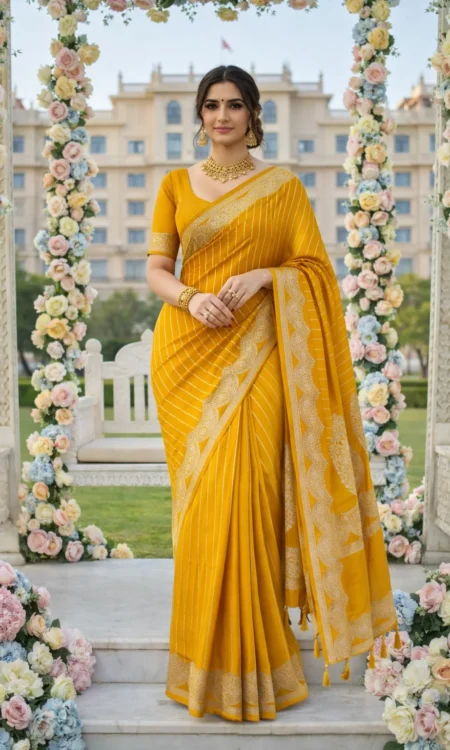
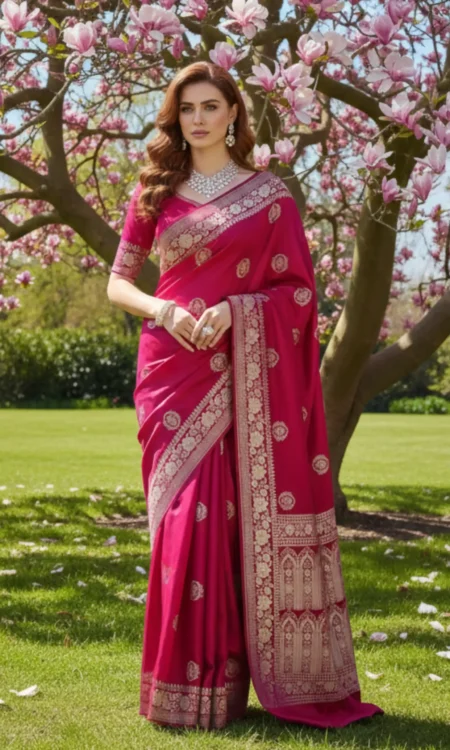
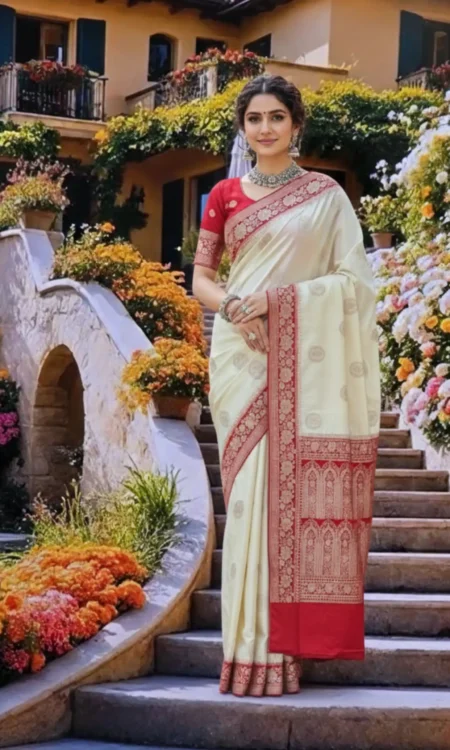
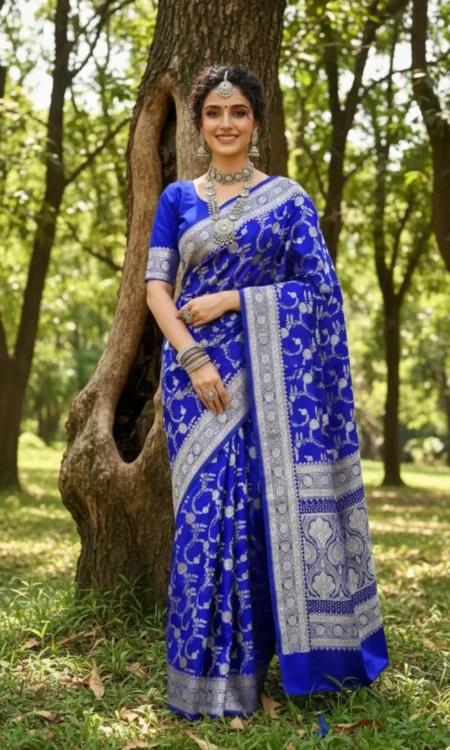
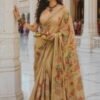
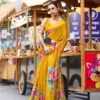
What Are Wedding Sarees?
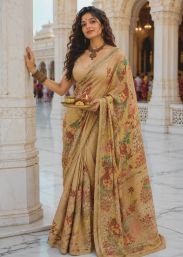
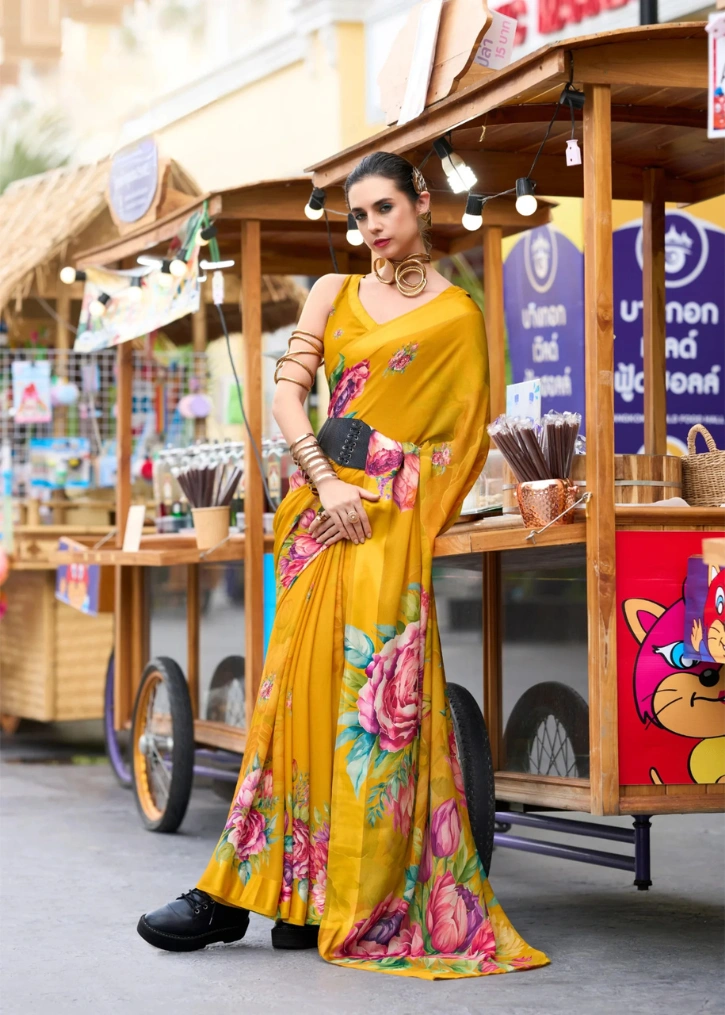
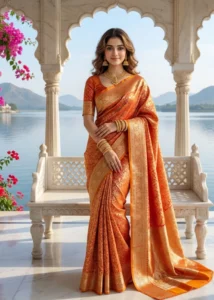
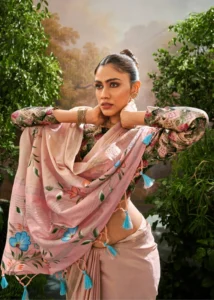
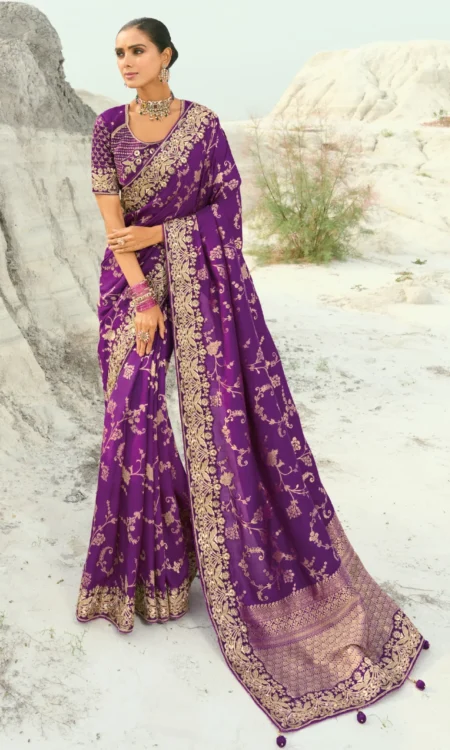
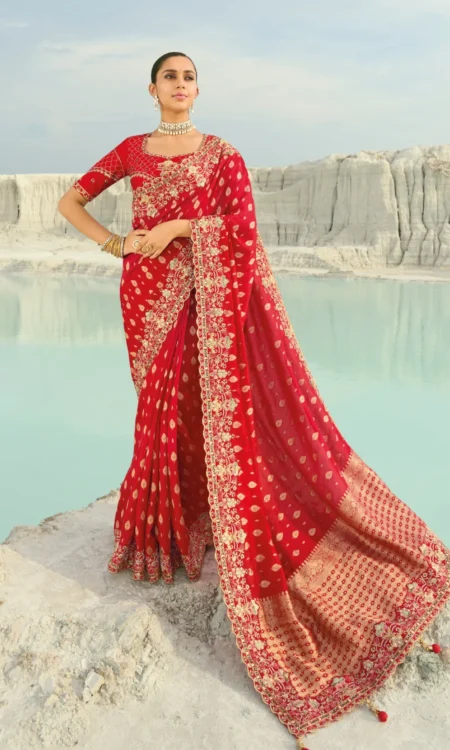
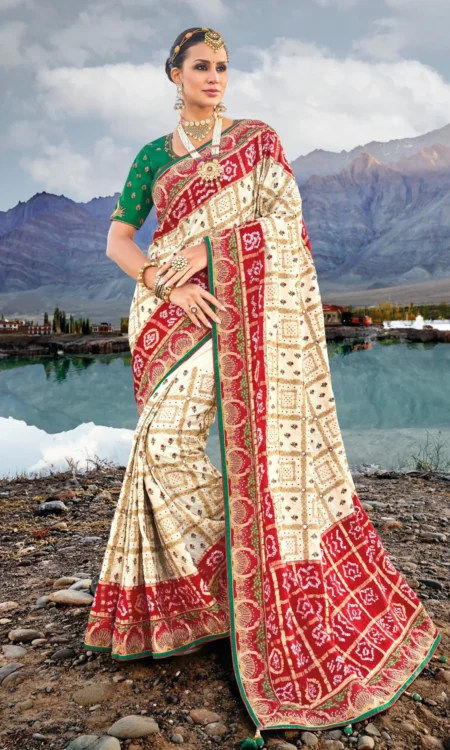
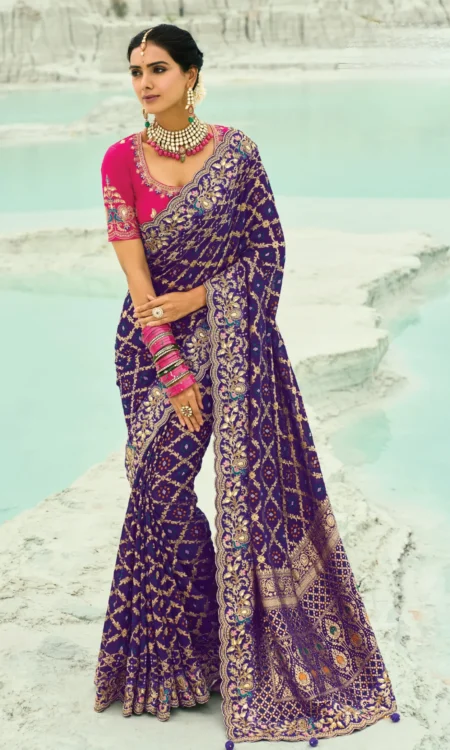
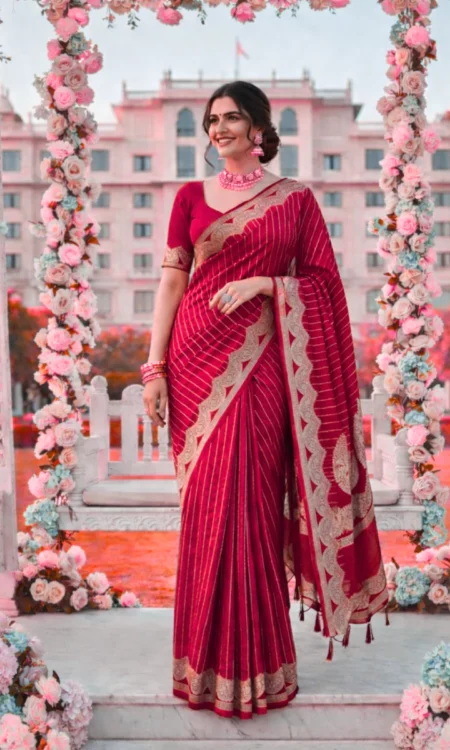
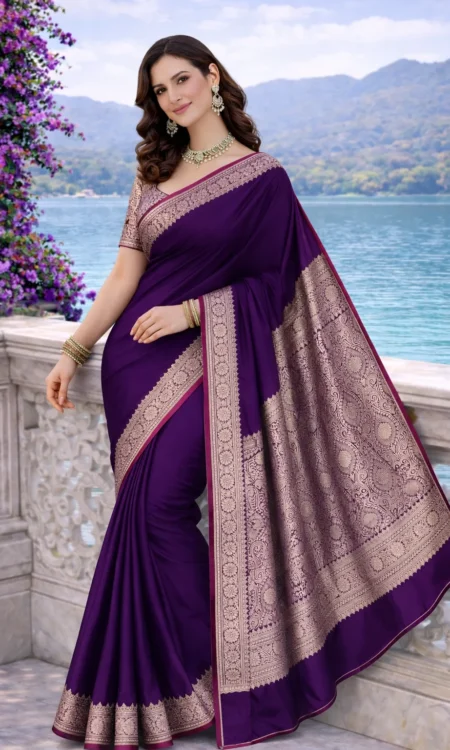
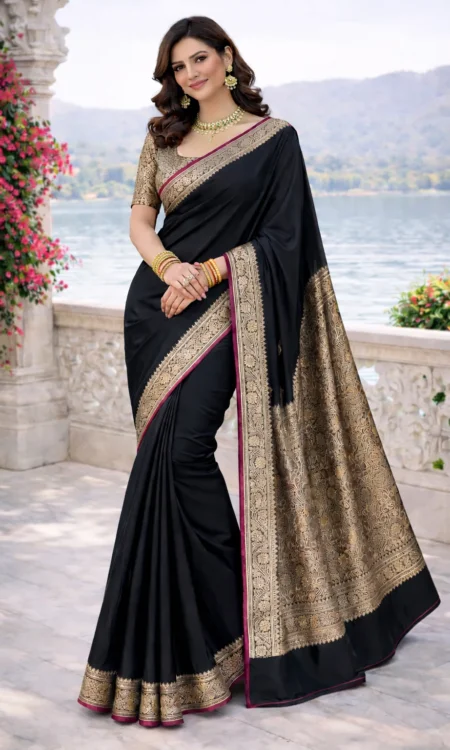
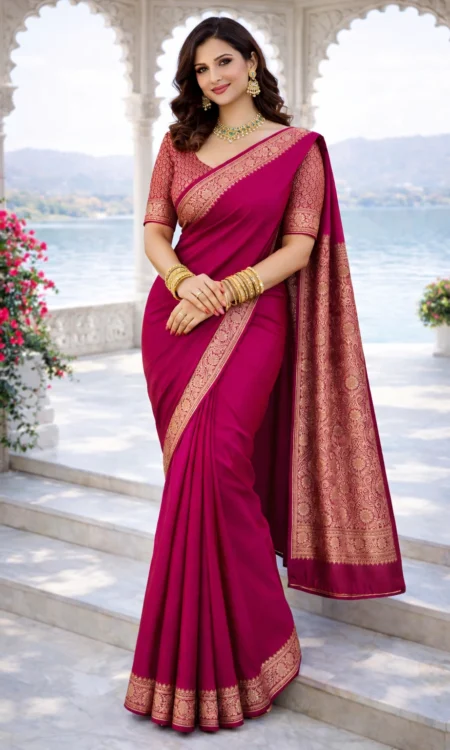
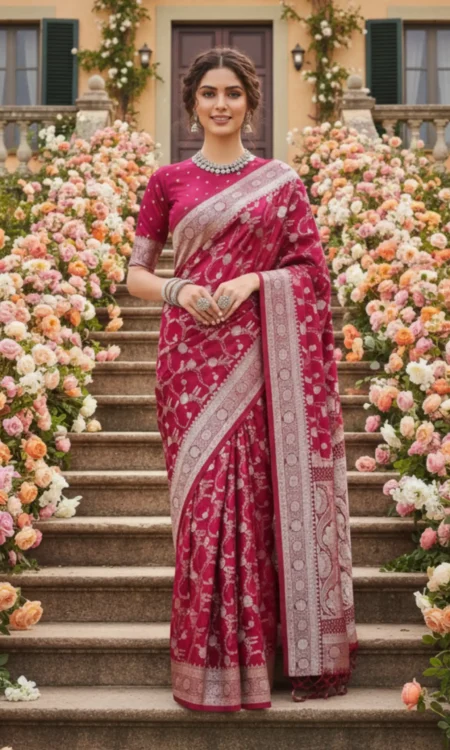
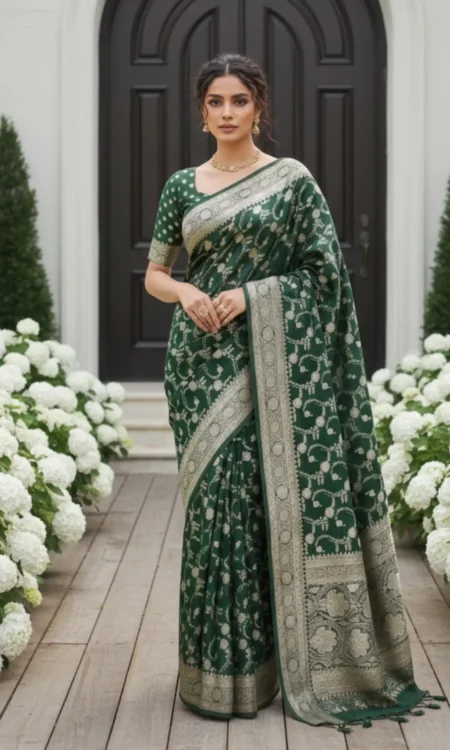
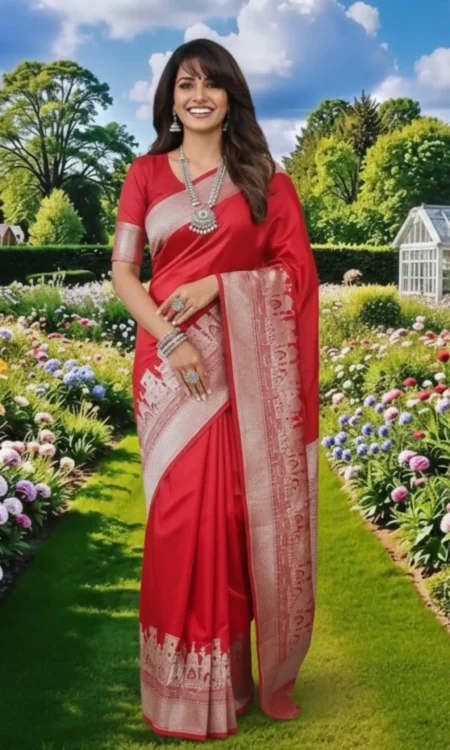
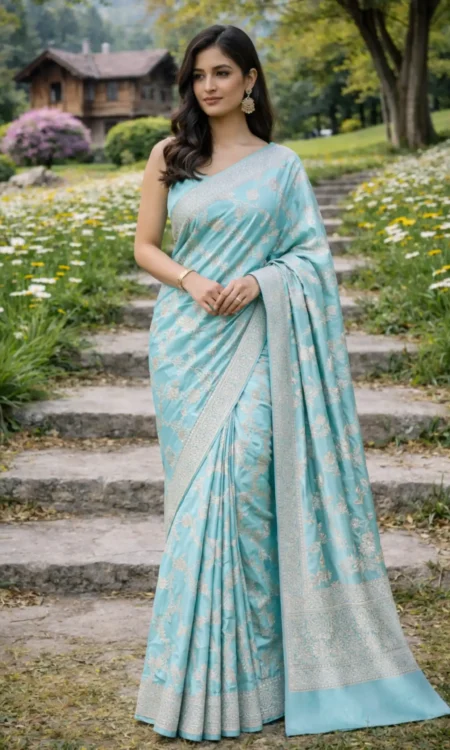
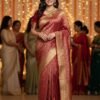
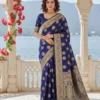
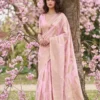
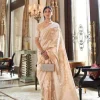
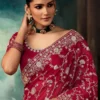
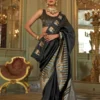
Wedding sarees are sarees selected for wedding ceremonies, receptions and related celebrations. They are an occasion-led category rather than a single fabric, colour or textile tradition.
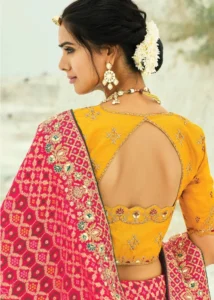
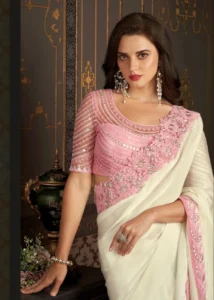
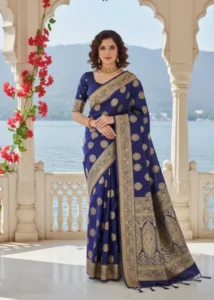
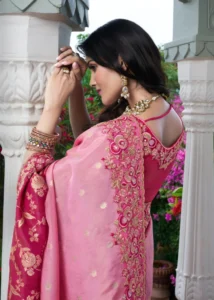
A wedding saree may be traditional or contemporary, depending on the saree, wearer and event. Fabric affects drape, structure, sheen and weight; colour contributes to the overall visual and cultural context; while zari, borders, pallus, motifs, embroidery and other surface details influence the saree's appearance and formality.
The collection therefore includes different ways to approach wedding dressing rather than one fixed definition of what a wedding saree must look like. A richly woven silk saree, a Banarasi style, a Kanjivaram saree, an embroidered georgette saree or a contemporary tissue or organza design can each work in different wedding settings when their styling and formality suit the occasion.
Wedding Sarees vs Bridal Sarees vs Wedding Guest Sarees
| Category |
Primary Purpose |
Typical Wearer |
Key Distinction |
| Wedding Sarees |
Broad wedding-occasion dressing |
Bride, family members, relatives or guests depending on the product |
Occasion-led umbrella |
| Bridal Sarees |
Bride-specific dressing |
Bride |
Defined primarily by the bride's role |
| Wedding Guest Sarees |
Guest dressing |
Wedding guest |
Defined by the attendee's role |
Not every wedding saree is a bridal saree. Bridal Sarees are selected specifically for the bride, while Wedding Sarees cover a wider range of wedding-related dressing.
Wedding Guest Sarees are narrower still because the wearer is attending rather than taking the bridal role. Guest choices can depend on the ceremony, relationship to the couple, cultural expectations, personal style and desired level of formality. There is no single Indian rule requiring every guest to avoid a particular colour or fabric.
Choose Wedding Sarees by Fabric
There is no single fabric that is automatically the right choice for every wedding. Consider the ceremony, climate, desired formality, movement and the type of drape you prefer.
Kanjivaram Silk
Kanjivaram silk offers a more structured drape with a rich, lustrous appearance and is particularly associated with ceremonial and wedding dressing in relevant South Indian contexts.
Banarasi Silk
Banarasi sarees can range from structured to more fluid depending on the base and construction. Zari and brocade effects can give them a formal appearance suitable for ceremonies, receptions and family occasions.
Mashru Silk
Mashru silk offers a smooth, drapable feel with a softer sheen and can work across traditional and contemporary formal styling.
Katan Silk
Katan silk has a structured, lustrous appearance that lends itself to formal and bridal-oriented styling.
Soft Silk
Soft silk provides a softer drape with an elegant sheen and can suit ceremony or reception dressing depending on the design.
Georgette
Georgette generally offers a more fluid drape and lighter visual character, making it useful for contemporary wedding, reception and guest styling.
Organza
Organza has a crisp, light and often lustrous appearance. Its structured character can work particularly well for contemporary formalwear.
Tissue
Tissue is associated with a crisp, light-to-moderate structure and metallic sheen, making it useful for festive and evening-oriented styling.
Semi-Silk
Semi-silk varies in construction and appearance, so the specific product details matter when assessing its drape, weight and suitability.
Net
Net can create a light, sheer and embellished appearance, although surface work can add weight.
Chanderi
Chanderi is light and airy with a delicate sheen and can suit selected celebrations, particularly when a lighter wedding look is preferred.
The collection includes several of these fabric and textile options, so compare the individual product specifications rather than assuming that all sarees within one broad category have the same weight or construction.
Traditional Indian Sarees for Weddings
Indian wedding saree traditions vary significantly by region and community. Some textile traditions have particularly strong associations with ceremonial or wedding dressing, but they should not be treated as one universal Indian wedding dress code.
Kanjivaram
Kancheepuram silk from Tamil Nadu has a particularly strong bridal and ceremonial association in South Indian contexts. Its wedding relevance is closely connected with the regional textile tradition rather than simply the fact that it is a silk saree.
Banarasi
Banarasi textiles from Varanasi are strongly associated with formal and wedding dressing. Their visual identity can include intricate woven motifs, brocade structures and zari ornamentation.
Paithani
Paithani is an important Maharashtra textile tradition with strong traditional occasion relevance.
Patola
Patan Patola is associated with Gujarat and represents a highly distinctive traditional textile tradition suitable for formal and ceremonial contexts.
Chanderi
Chanderi from Madhya Pradesh is a lighter textile tradition that can suit selected formal and celebratory occasions.
Pochampally Ikat
Pochampally Ikat is associated with Telangana and represents another established regional textile tradition that can be considered for traditional occasion dressing.
Gadwal, Sambalpuri, Baluchari, Muga and Other Regional Traditions
India's wedding saree landscape extends beyond the most commonly marketed silk categories. Gadwal, Sambalpuri, Baluchari, Muga and other regional traditions each have their own textile identities and cultural contexts.
The important distinction is that traditional does not automatically mean universally bridal or universally appropriate for every wedding. Selection depends on region, community, ceremony, wearer and personal preference.
Choose a Saree for Different Wedding Functions
Wedding functions can call for different approaches to fabric, colour, movement, embellishment and formality. The following are styling considerations rather than fixed dress codes.
| Wedding Function |
What to Consider |
| Wedding ceremony |
Regional or cultural tradition, formality, textile, colour, zari and drape |
| Reception |
Sheen, embroidery, tissue, organza, georgette, jewellery and evening styling |
| Engagement |
Elegant formalwear, with the level of traditional styling adapted to the setting |
| Mehendi |
Movement, colour and lighter or contemporary styling depending on the event |
| Haldi |
Practicality, colour and possible exposure to turmeric or water |
| Sangeet |
Movement, comfort, contemporary styling and evening presentation |
| Religious ceremony |
Expectations of the specific community, ceremony and venue |
| Post-wedding events |
Family customs, setting and personal preference |
Not every wedding follows the same sequence or dress expectations. When the ceremony has specific cultural or religious requirements, those expectations should take priority over generic fashion advice.
Wedding Saree Colours, Borders & Pallus
Colours
Wedding saree colours can range from traditional reds, maroons, crimsons and pinks to magenta, green, yellow, orange, gold, purple, wine, blue, ivory, cream, pastels, black and contemporary neutrals.
There is no universal rule that assigns one colour to one wedding role or ceremony. Colour choices can reflect regional traditions, family preferences, ceremony, time of day and contemporary fashion.
For a guest, for example, it may be appropriate to consider whether a particular colour or level of embellishment strongly overlaps with the bridal presentation in that specific setting. That is a contextual choice rather than a universal rule.
Zari
Zari is a metallic yarn or metallic-looking decorative thread used in borders, motifs, pallus and other details. It can contribute to a richer or more formal appearance, but the word "zari" by itself does not establish that a saree contains pure gold zari.
Exact zari composition should always be checked on the individual product page.
Borders
A broad border can give a saree a stronger visual structure, while a contrast border can create clearer colour definition. Zari borders can add metallic richness, while embroidered borders produce a different surface effect from woven borders.
Pallus
The pallu is often one of the most visible parts of a saree. A richly decorated pallu can become a focal point, particularly when the saree is styled so that the pallu is prominently displayed.
When comparing wedding sarees, look at the border and pallu together. Their relationship can significantly influence how traditional, formal or decorative the overall saree appears.
How to Choose a Wedding Saree
A useful way to narrow the collection is to work through these decisions in order:
1. Who are you dressing for?
Consider whether the saree is for:
- The bride
- A parent or family member
- A close relative
- A wedding guest
The desired level of visual prominence can change according to the wearer's role.
2. Which function are you attending?
Start with the ceremony or celebration before choosing the fabric or colour.
3. How formal should the saree feel?
Compare:
- Light occasion styles
- Moderate embellishment
- Rich formal styles
- Traditional textiles
- Contemporary designs
Remember that heavy does not automatically mean better. Weight and embellishment should serve the occasion and the wearer's preferences.
4. Which fabric suits the setting?
Compare structure, fluidity, sheen, weight and expected movement.
5. Which textile tradition interests you?
You may prefer a regional textile such as Kanjivaram, Banarasi, Paithani or Pochampally Ikat, or choose a contemporary fabric-led style.
6. Which colour works for the occasion?
Consider personal preference, family or regional context, ceremony and time of day rather than following a universal colour rule.
7. How much embellishment do you want?
Choose between minimal, moderate and rich surface decoration.
8. What type of drape do you prefer?
Think about whether you want a structured, fluid, crisp or more traditional drape.
9. What details will complete the look?
Compare the:
- Border
- Pallu
- Motifs
- Blouse
- Jewellery
- Footwear
- Bag
- Hair
- Draping style
This approach makes the product grid easier to navigate because you are comparing meaningful attributes rather than simply searching for the saree labelled "wedding."
How to Style a Wedding Saree
Start with the saree itself, then build the styling around its fabric, colour, border, pallu and level of surface detail.
Blouse
A matching blouse can create a coordinated appearance, while a contrast blouse can emphasise a border or colour within the saree.
Depending on the saree, consider:
- Zari details
- Embroidery
- Brocade
- Matching fabric
- Contrast fabric
- Sleeve length
- Neckline
- Back design
The blouse should complement the saree rather than compete with its main visual feature.
Jewellery
Match jewellery to the saree's overall composition.
A saree with prominent zari may work well with jewellery that coordinates with its metallic detailing. A heavily embroidered saree can be balanced with more restrained jewellery, while a comparatively minimal saree can allow jewellery to become a stronger focal point.
These are styling options rather than fixed rules.
Footwear and Bag
Choose footwear that works with the drape and formality of the event. A structured or embellished bag can complement a formal reception look, while a simpler accessory can allow a highly detailed saree to remain the focus.
Hair and Draping
Hair and draping can be adapted to the saree, jewellery, neckline and ceremony. Regional drapes can also be considered where they are appropriate to the textile and cultural context. Not every regional drape is specifically a "wedding drape."
Day vs Evening Wedding Sarees
These are styling considerations, not fixed dress codes.
Day Weddings
You may prefer:
- Lighter visual weight
- Softer colours
- Lighter fabrics
- More restrained reflective detailing
- Fluid or breathable options where the climate and setting call for them
Evening Weddings
You may consider:
- Deeper colours
- Metallic surfaces
- Zari
- Tissue
- Richer embroidery
- Stronger contrast
- More formal jewellery and styling
The right choice still depends on the venue, ceremony, wearer and personal preference.
Wedding Saree Quality & Authenticity
Before purchasing a saree online, check the information supplied for the individual product.
Quality Checklist
Review:
- Fabric or material stated
- Saree dimensions
- Border finishing
- Pallu construction
- Weave or embroidery details
- Blouse-piece inclusion
- Colour description
- Care instructions
- Production or certification claims
- Additional documentation where authenticity is important
A traditional appearance alone does not establish whether a saree is handloom, handwoven, pure silk or associated with a protected textile identity. Those claims should be supported by product documentation or appropriate certification where applicable.
Silk Authenticity
Silk should not be authenticated from appearance or touch alone. Where certification is relevant, shoppers can look for appropriate documentation such as Silk Mark information.
Handloom and Handwoven Claims
Handloom and handwoven describe production characteristics and should remain product-specific. Do not assume that a saree is handloom simply because it looks traditional, is expensive, has zari, feels heavy or is described using a regional textile name.
GI Claims
A Geographical Indication identifies a protected product/geographical identity. A GI registration does not mean that every saree sold online under a similar name is automatically GI-certified.
Zari
"Zari" should not automatically be interpreted as pure gold zari. If a product specifies a particular composition, rely on that product-level information.
Price & Value
Wedding saree pricing can vary because of factors including:
- Fibre or fabric
- Type of silk
- Weaving complexity
- Zari
- Embroidery
- Embellishment
- Handloom production
- Craftsmanship
- Design complexity
- Brand positioning
A higher price does not, by itself, guarantee greater authenticity or quality. Compare the actual construction, materials, specifications and documentation of the individual saree.
Wedding Saree Care
Always follow the care instructions supplied with the individual saree. Silk, zari, embroidery and delicate fabrics can require different handling.
Where the product specifies professional dry cleaning, use a reputable cleaner experienced with delicate occasion textiles. Avoid treating all sarees in the same way, particularly when they contain zari, embroidery or delicate surfaces.
For storage, keep delicate sarees dry and protected from excessive moisture, friction and unnecessary exposure. Where product instructions recommend rotating folds or protecting zari and embroidery, follow those instructions.
The individual product's care guidance should always take priority over a general collection-page recommendation.
Frequently Asked Questions
What are wedding sarees?
Wedding sarees are sarees selected for wedding ceremonies, receptions and related celebrations. They can include traditional textiles, silk and contemporary occasion styles, with suitability depending on the wearer, ceremony, formality, fabric, colour and styling.
Are wedding sarees the same as bridal sarees?
No. Bridal sarees are specifically associated with the bride, while wedding sarees are a broader occasion-led category that can include sarees for brides, family members, relatives and guests depending on the product.
What is the difference between wedding sarees and wedding guest sarees?
Wedding sarees describe the broader wedding occasion, while wedding guest sarees are selected specifically for attendees. Guest choices can depend on the ceremony, cultural expectations, relationship to the couple and desired level of formality.
Which fabrics are suitable for wedding sarees?
Suitable choices depend on the occasion and desired drape. The collection includes options such as Kanjivaram silk, Banarasi silk, Mashru silk, Katan silk, soft silk, georgette, organza, tissue, semi-silk, net and Chanderi.
Are silk sarees suitable for weddings?
Silk has a strong association with wedding and special-occasion dressing, but not every silk saree is automatically a wedding saree. Consider the specific textile, construction, colour, zari, formality and ceremony.
What saree should I wear to a wedding reception?
Consider the venue, lighting, formality and your role at the event. Tissue, organza, georgette, embroidered and zari-rich styles can offer different approaches to reception dressing, while traditional silk and Banarasi or Kanjivaram styles can also suit formal settings depending on the saree.
What saree should I wear to an engagement?
An engagement can accommodate elegant formalwear, with the degree of traditional or contemporary styling adapted to the setting. Fabric, colour, embellishment and personal style can guide the choice.
Can wedding guests wear silk sarees?
Yes. Silk sarees can be appropriate for wedding guests when the fabric, colour, styling and level of formality suit the ceremony and the guest's role.
What colours can I consider for a wedding saree?
Options can include red, maroon, pink, magenta, green, yellow, orange, gold, purple, wine, blue, ivory, cream, pastels, black and contemporary neutrals. Colour suitability varies by region, family, ceremony, time of day and personal preference.
What is zari?
Zari is a metallic yarn or metallic-looking decorative thread used in saree borders, motifs, pallus and other details. The presence of zari does not by itself establish that the saree contains pure gold zari.
What should I check before buying a wedding saree online?
Check the stated fabric, dimensions, colour, border, pallu, blouse details, care instructions and any production or certification claims. If authenticity is particularly important, ask for appropriate supporting documentation.
How can I check whether silk is genuine?
Appearance and touch alone are not reliable authentication methods. Where relevant, look for appropriate certification or documentation, such as Silk Mark information, and review the seller's product specifications.
What does handloom mean?
Handloom refers to a production system using a hand-operated loom. It should not be treated as an automatic guarantee of superior quality. Handloom claims should be supported at product level by appropriate documentation or recognised identification mechanisms.
How should I care for a silk or embellished wedding saree?
Follow the individual product's care instructions. Delicate silk, zari and embellished sarees may require professional dry cleaning, careful pressing and protected dry storage. Avoid assuming that every saree can be washed or ironed in the same way.
Explore Related Saree Collections
Explore related collections when you already know the textile, occasion or design direction you prefer:
- Kanjivaram Sarees — for shoppers specifically comparing Kanjivaram styles
- Silk Sarees — for shoppers narrowing their choice by silk
- Mashru Silk Sarees — for shoppers interested in Mashru silk
- Cotton Sarees — for a different fabric-led direction
- Chanderi Sarees — for a lighter traditional textile option
- Bridal Sarees — for bride-specific shopping
- Festive Sarees — for broader celebration dressing
- Party Wear Sarees — for contemporary occasion styling
For textile-specific or occasion-specific shopping, use the dedicated collection rather than creating duplicate pages for keyword variations such as "Wedding Sarees Online" or "Sarees for Wedding."